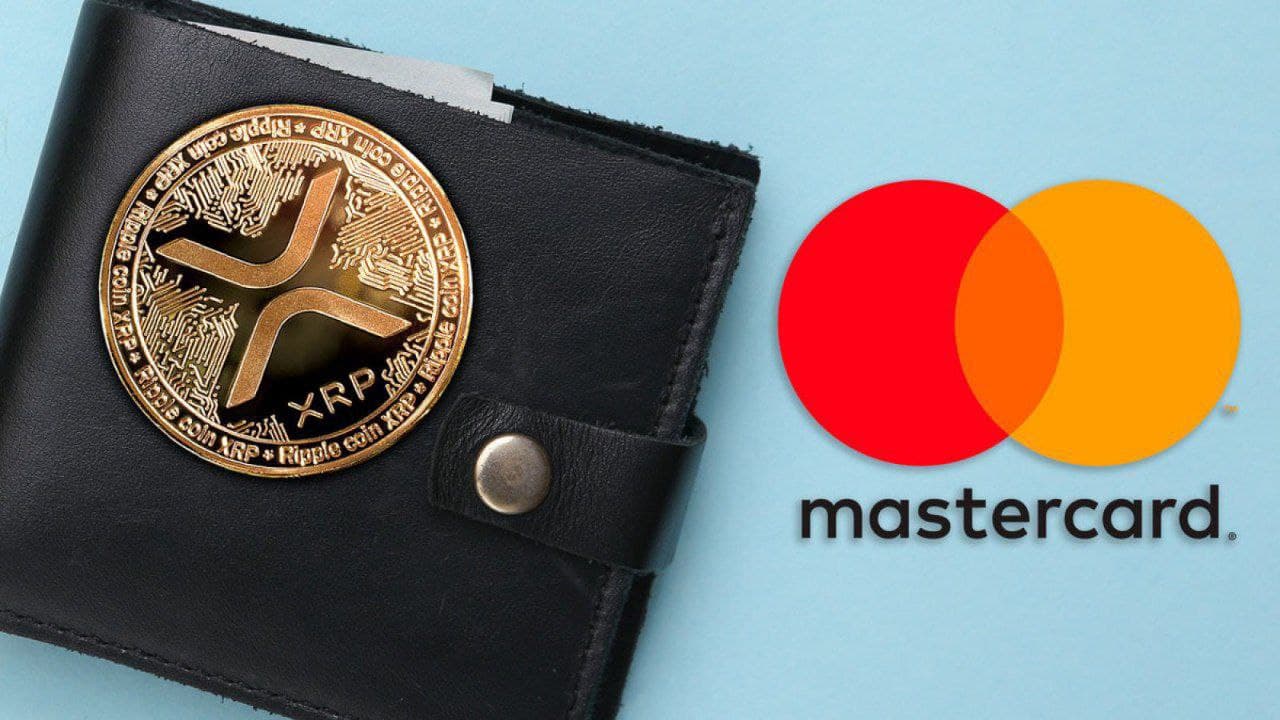
Mastercard Plugs into the XRP Ledger: The New Standard for Settlement? In what can only be described as a seismic event for the world of institutional crypto, Ripple has announced a strategic pilot program with global payments giant Mastercard, alongside crypto exchange Gemini and regulated U.S. bank WebBank. The goal? To fundamentally transform credit card settlement. Instead of the archaic, multi-day settlement processes that plague traditional banking, this partnership aims to utilize Ripple USD (RLUSD)—Ripple’s regulated, USD-backed stablecoin—running on the XRP Ledger (XRPL) to settle fiat card transactions almost instantly. “Through our partnerships with Ripple, Gemini, and WebBank, we're using our global payments network to bring regulated, open-loop stablecoin payments into the financial mainstream.” — Sherri Haymond, Global Head of Digital Commercialization at Mastercard. Why This Pilot Is a Game-Changer for the XRPL The significance of this partnership cannot be overstated: Institutional Validation: A major Tier-1 financial network like Mastercard choosing the XRPL for a critical function like settlement is a monumental vote of confidence in its speed, stability, and low transaction cost. Regulatory Compliance: The pilot focuses on a regulated U.S. stablecoin (RLUSD) and involves a regulated U.S. bank (WebBank), setting a powerful precedent for compliant blockchain integration into the global financial system. Real-World Utility: This is not a theoretical white paper; it’s a direct application to the multi-trillion-dollar credit card industry, promising a drastic reduction in settlement time from days to near-instant. The Million-Dollar Question: What About XRP? The excitement is palpable, leading to the question posed by many in the community: "Should I be going all in?" While the news is overwhelmingly positive for the ecosystem, it's crucial to understand the subtle but important distinction: The Asset: The primary settlement asset in this pilot is RLUSD, the stablecoin. The Engine: The technology powering the rapid, efficient movement is the XRP Ledger (XRPL). The native digital asset, XRP, functions as the XRPL's bridge currency and anti-spam/gas token. Therefore, as the volume of transactions settled via RLUSD on the XRPL increases, the demand and fundamental utility for XRP as the ledger’s fee-based engine fuel will naturally rise. The Outlook: The partnership does not guarantee an immediate, exponential surge for XRP, as full commercial rollout of the pilot will take time. However, it solidifies the long-term narrative for the entire XRP Ledger ecosystem. This is arguably the strongest evidence yet that the XRPL is on the path to becoming a core piece of the next generation of financial infrastructure. For the investor, the thesis is clearer than ever: While "all in" is a personal decision, the news confirms that the XRP Ledger is moving from a vision to a vital utility for the world's biggest financial players.
Published by Banx Network. This article is part of the Banx decentralized media programme, powered by the BXE token on the XRP Ledger.