
Key Highlights
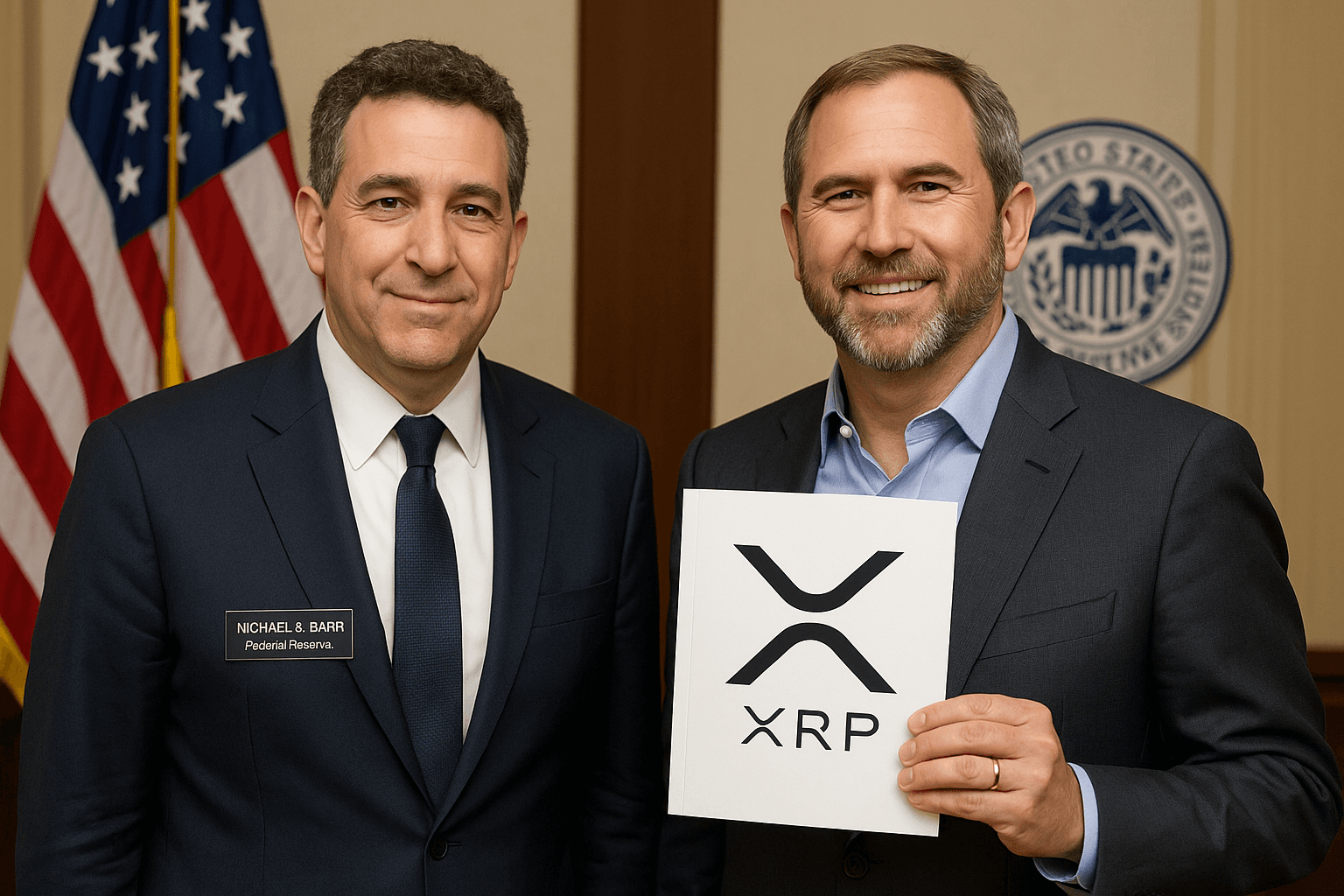
- Michael Barr is now the Vice Chair for Supervision at the U.S. Federal Reserve.
- He previously served as an advisor to Ripple Labs, influencing blockchain regulation.
- Barr's role positions him to impact U.S. financial policy on cryptocurrencies and stablecoins.
Michael S. Barr has recently taken on one of the most influential roles in U.S. finance as the Vice Chair for Supervision at the Federal Reserve. Nominated by President Joe Biden and confirmed by the Senate on July 19, 2022, Barr oversees the regulation of the largest banking institutions in the country, making him a key figure in shaping financial oversight.
Before his appointment at the Federal Reserve, Barr was an advisor to Ripple Labs, the company behind the XRP Ledger, starting in July 2015. His expertise in financial regulation and innovation was recognized by Ripple, which announced his advisory role in a press release. Barr expressed enthusiasm about joining Ripple, emphasizing the need for innovation in the global payments system to enhance safety, reduce costs, and improve access for consumers and businesses.
In his current position at the Federal Reserve, Barr is responsible for supervising systemically important banks, evaluating emerging financial technologies, including blockchain, and overseeing the development of new payment infrastructures. This unique combination of responsibilities places him in a pivotal position to influence U.S. policy regarding stablecoins, tokenized banking systems, and interbank settlement frameworks, areas where Ripple has significant expertise.
Since Barr's appointment, the Federal Reserve has intensified its exploration of tokenized assets and faster settlement solutions, aligning with Ripple's objectives. The passage of the GENIUS Act in July 2025 established a regulatory framework for stablecoins, including Ripple's RLUSD, potentially paving the way for blockchain-native settlement instruments in U.S. finance. Additionally, Ripple's application for a federal banking charter requires Federal Reserve approval, a decision that Barr may significantly influence.
While Barr has not publicly advocated for the integration of XRP into the banking system, his previous affiliation with Ripple and his current regulatory authority have raised questions among both supporters and critics in the crypto and financial policy communities. The intersection of his public policy leadership and private-sector blockchain experience is seen as a rare opportunity that could lead to transformative changes in how blockchain technology is integrated into traditional finance.
Barr's journey from Ripple advisor to a key figure in U.S. financial oversight illustrates the growing influence of blockchain technology in the financial sector. As the regulatory landscape evolves, the implications of Barr's role could significantly impact the adoption of Ripple's technology within the U.S. banking infrastructure. The convergence of crypto innovation and traditional regulatory power is a focal point for stakeholders in both realms, with Barr positioned at the center of this critical intersection.
Published by Banx Network. This article is part of the Banx decentralized media programme, powered by the BXE token on the XRP Ledger.



