

Key Highlights
- Ripple is emerging as a key player in the digital banking landscape.
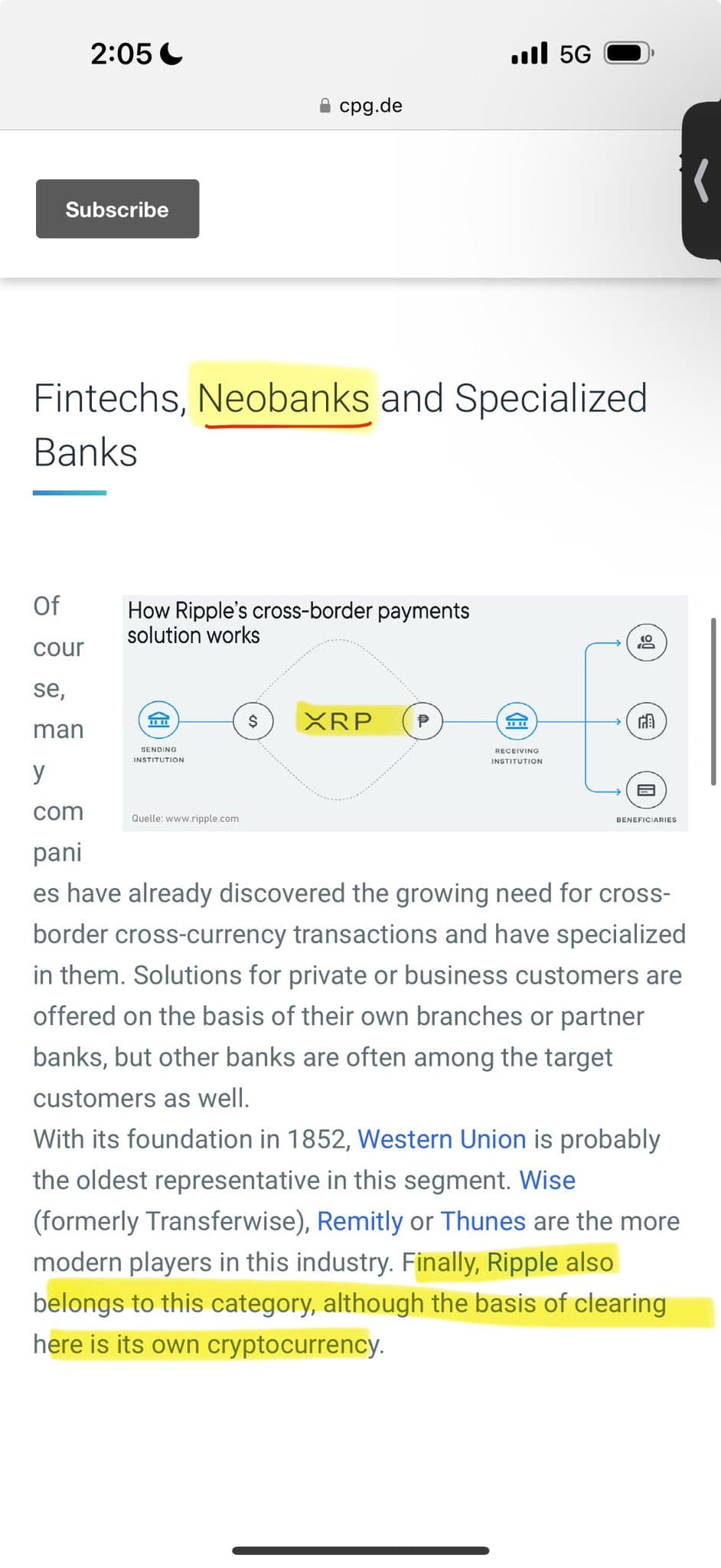
- The company focuses on cross-border payments and financial infrastructure.
- Regulatory frameworks are evolving to accommodate blockchain innovations.
Ripple is increasingly recognized as a transformative force in the financial technology sector, particularly in the realm of digital banking. As blockchain technology continues to evolve, Ripple has positioned itself at the forefront of this change, offering innovative solutions that cater to the needs of modern financial institutions. The company's focus on cross-border payments and its robust financial infrastructure are reshaping how transactions are conducted globally.
Neobanks, which operate primarily through digital channels, are revolutionizing the banking experience by providing streamlined services without the need for traditional branch networks. Ripple's payment solutions exemplify this shift, enabling faster transaction processing and lower costs compared to conventional banking systems. As a result, Ripple is not just a blockchain company; it is emerging as a significant player in the digital finance ecosystem, bridging the gap between traditional banking and innovative technology.
Industry experts highlight the advantages of blockchain networks, which include enhanced transparency and efficiency in transaction processing. These benefits have prompted many financial institutions to explore partnerships with blockchain service providers like Ripple. By integrating blockchain technology into their operations, banks can improve their service offerings and reduce operational costs, ultimately benefiting consumers.
However, the rapid growth of blockchain technology and digital banking raises important regulatory considerations. Policymakers around the world are grappling with how to classify and supervise digital asset firms. As the sector matures, it is crucial for regulatory frameworks to adapt to ensure consumer protection while fostering innovation. Companies like Ripple, which combine banking functionality with blockchain infrastructure, may play an increasingly vital role in shaping the future of global financial services.
As Ripple continues to innovate and expand its offerings, its impact on the financial technology landscape will likely grow. The company's ability to navigate regulatory challenges while delivering cutting-edge solutions will be key to its success in the evolving digital banking space. Stakeholders in the financial sector are watching closely as Ripple and similar companies redefine the boundaries of what is possible in banking and payments.
Published by Banx Network. This article is part of the Banx decentralized media programme, powered by the BXE token on the XRP Ledger.




