

Key Highlights
- Court Ruling:NSW Court of Appeal strikes down protest restrictions.
- Fuel Prices:Petrol prices in Australia are declining, offering relief to consumers.
- Political Impact:Changes in fuel prices affect household budgets and public sentiment.
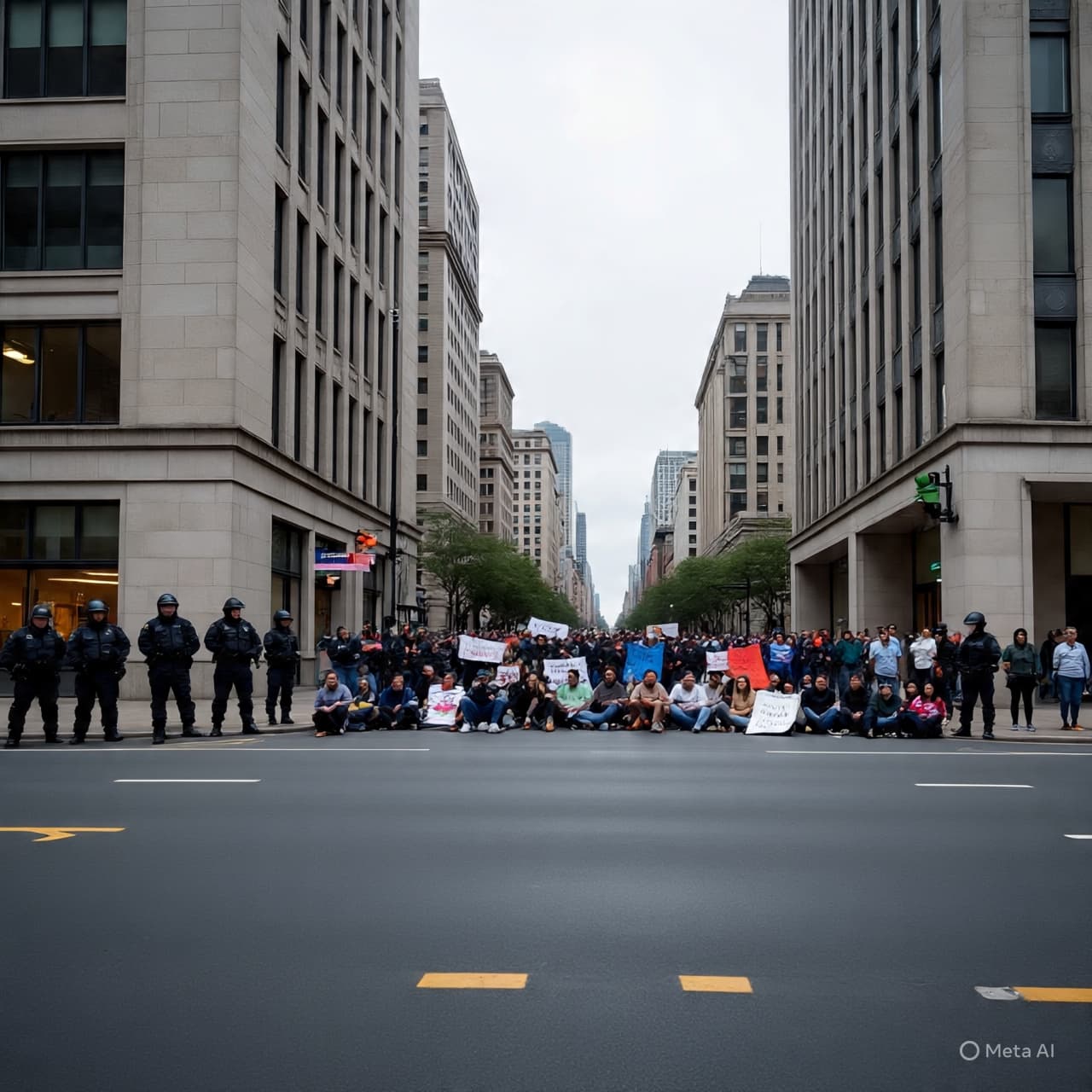
The intersection of legal rights and economic realities was starkly illustrated in Australia recently, as significant developments unfolded in New South Wales. The NSW Court of Appeal delivered a landmark ruling that struck down certain protest restrictions, which had been imposed following the Bondi terror attack. These restrictions, known as the Public Assembly Restriction Declaration laws, granted police expanded powers to limit public gatherings in designated areas. The court found that these laws imposed an impermissible burden on the implied freedom of political communication, a cornerstone of Australia’s constitutional framework.
Civil liberties advocates and protest organizers hailed the court's decision as a victory for democratic rights. They argued that the ruling reaffirms the importance of free expression and the right to assemble peacefully. However, the state government expressed disappointment, indicating that it may seek to revise the legislation to ensure public safety while balancing civil liberties. Police Commissioner Mal Lanyon announced that the department would review prosecutions related to protests that occurred under the now-invalidated laws, potentially leading to the dismissal of charges against demonstrators.
In a parallel development, Australian motorists received news of declining petrol prices, which have been a source of concern for many families. The recent drop in fuel prices comes after a period of volatility in the global oil market, which had previously driven prices higher. As transport costs directly impact household budgets, even minor fluctuations in fuel prices can significantly influence public sentiment, particularly amid ongoing inflationary pressures.
The dual narratives of legal reform and economic relief highlight the delicate balance within a democratic society. As institutions grapple with the limits of their authority, everyday citizens remain acutely aware of how these changes affect their financial well-being. The relationship between legal rights and economic realities is particularly pronounced in Australia, where fuel prices are a politically sensitive issue that can sway public opinion and influence electoral outcomes.
As the NSW authorities continue their legal review in light of the court's ruling, consumers will be closely monitoring whether the recent decline in petrol prices is sustainable. The outcomes of these developments are likely to resonate beyond the immediate context, shaping discussions around civil liberties and economic policy in Australia for the foreseeable future.
Published by Banx Network. This article is part of the Banx decentralized media programme, powered by the BXE token on the XRP Ledger.




