Among the simplest human traits lies one of the most quietly persistent mysteries: why most people favor their right hand. What seems ordinary in daily life has long invited scientific curiosity, as researchers trace the origins of handedness deep into biology and brain development.
Recent studies in neuroscience and genetics suggest that handedness may emerge from subtle asymmetries in early brain organization. These differences begin forming before birth, guided by complex interactions between genetic instructions and developmental processes.
Rather than a single “handedness gene,” researchers now believe multiple genes contribute small influences that collectively shape motor preference. This polygenic model helps explain why handedness is consistent across populations but not absolutely uniform.
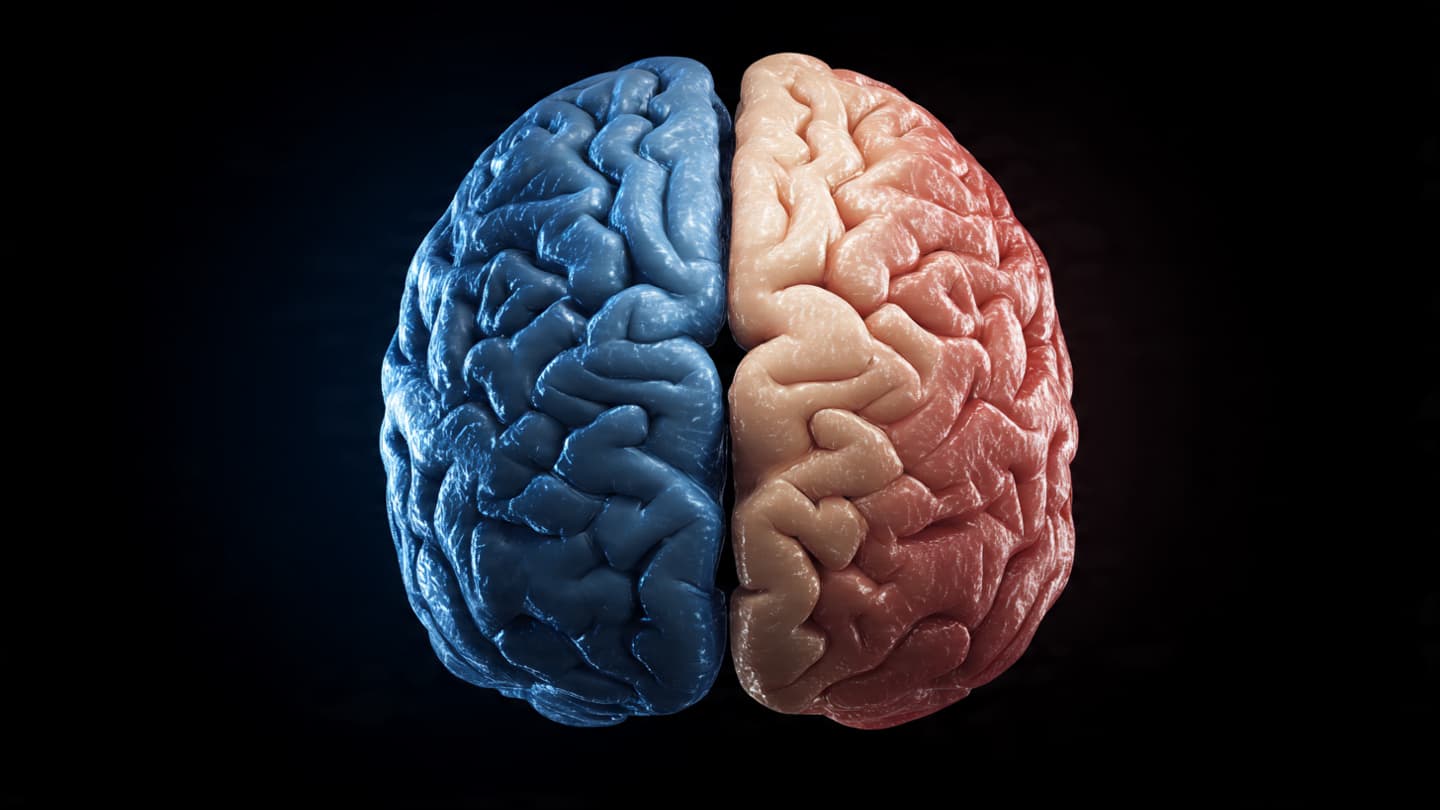
Brain imaging studies also point to structural and functional differences between the left and right hemispheres. In most right-handed individuals, language and motor control networks show dominant patterns on the left side of the brain.
Environmental factors may also play a supporting role, though their influence appears secondary to biological foundations. Together, these layers form a nuanced picture rather than a single determining cause.
Scientists emphasize that handedness is not simply a preference but a reflection of broader neurological organization. It connects motor control, cognition, and developmental timing in ways that are still being explored.
While new findings bring researchers closer to understanding this trait, they also highlight how much complexity remains in even the most familiar aspects of human biology.
The mystery of right-handedness is not fully solved, but it is gradually becoming clearer through advances in genetics and neuroscience.
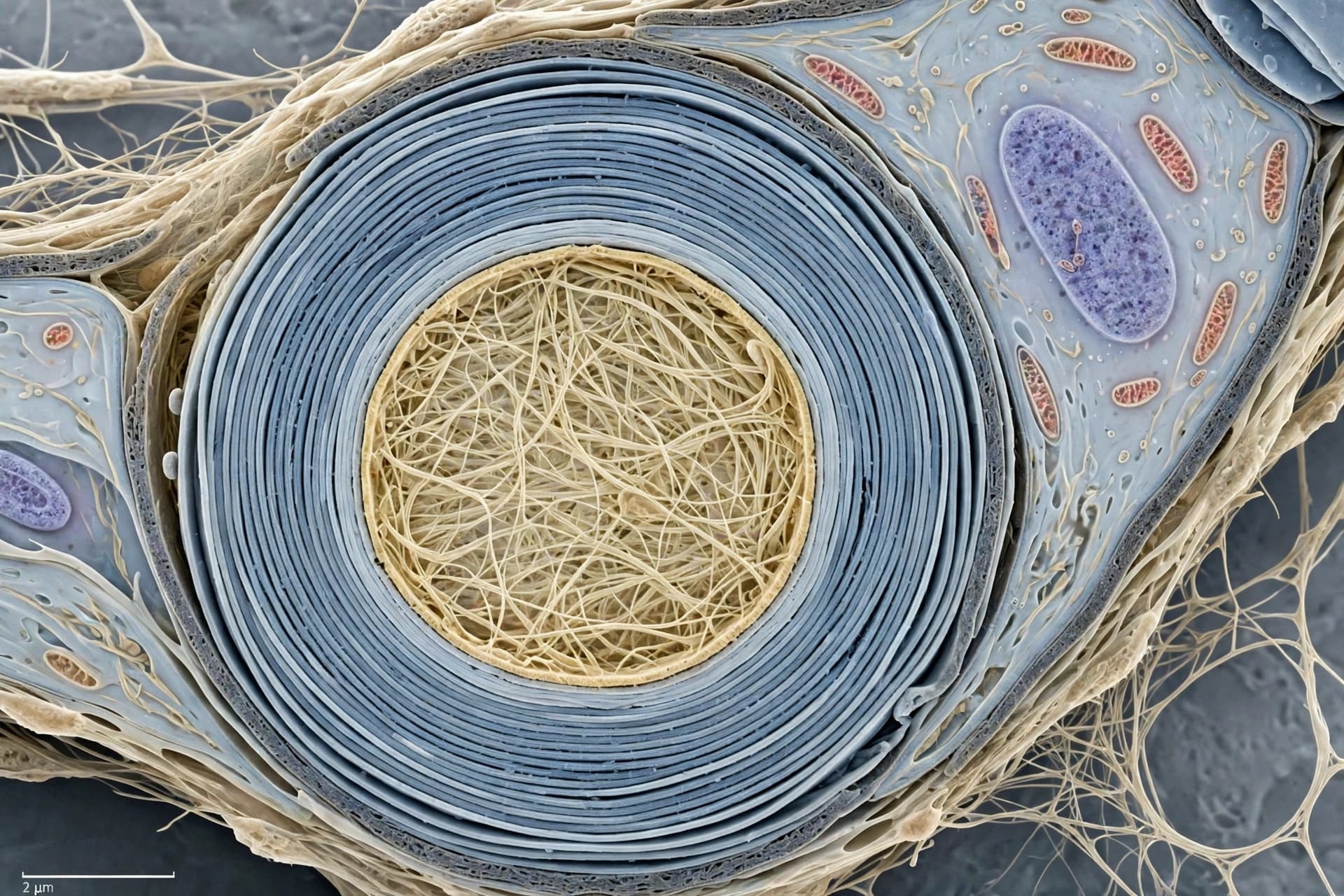
AI Image Disclaimer: Images used for illustration are AI-generated and intended for conceptual visualization of scientific ideas
Published by Banx Network. This article is part of the Banx decentralized media programme, powered by the BXE token on the XRP Ledger.