
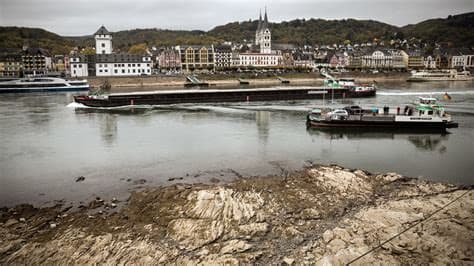
Key Highlights
- Record Low Levels:The Rhine River has reached its lowest levels ever recorded in Germany and the Netherlands.
- Prolonged Drought:Ongoing heatwaves across Europe have exacerbated drought conditions, affecting multiple rivers.
- EU Monitoring:The European Union's drought monitoring indicates critical conditions with more heat expected.
The Rhine River has plunged to unprecedented low levels at various points in Germany and the Netherlands, marking a significant environmental crisis as Europe grapples with prolonged heatwaves. Measurements taken in Cologne and at Lobith, where the Rhine crosses into the Netherlands, have recorded water levels lower than any previously documented since records began. This alarming trend is not isolated to the Rhine; other major rivers, including the Danube and Italy's Po, are also experiencing similarly dire conditions.
The European Union's drought monitoring service has issued warnings about the critical state of water resources across the continent. With renewed heat expected to persist for at least another week, the situation is becoming increasingly precarious. The ongoing drought has raised concerns not only for the ecological health of these rivers but also for the industries and communities that rely on them for water supply and transportation.
As the drought continues, the implications for agriculture and industry are profound. The Rhine, a vital waterway for shipping and trade, is particularly affected, with lower water levels hindering the movement of goods. This has led to increased shipping costs and potential supply chain disruptions, particularly for industries that depend on timely deliveries of raw materials and finished products.
The impact of climate change is becoming more evident as extreme weather patterns become the norm rather than the exception. Experts warn that without significant intervention and adaptation strategies, Europe may face more frequent and severe droughts in the future. The current situation serves as a stark reminder of the urgent need for sustainable water management practices and climate resilience strategies.
In response to the crisis, local governments and organizations are exploring measures to mitigate the effects of the drought. These include water conservation initiatives, investment in alternative water sources, and policies aimed at reducing water consumption in agriculture and industry. However, the effectiveness of these measures will depend on timely implementation and public cooperation.
As the situation develops, it is crucial for stakeholders across Europe to collaborate and share resources to address the challenges posed by this unprecedented drought. The Rhine's record low levels are not just a local issue; they reflect a broader environmental crisis that requires immediate and concerted action to safeguard the continent's water resources for future generations.
Published by Banx Network. This article is part of the Banx decentralized media programme, powered by the BXE token on the XRP Ledger.



