
Key Highlights
- Rheinmetall plans to ramp up ATACMS missile production with Lockheed Martin.
- CEO Armin Papperger emphasizes the lengthy timeline for replenishing U.S. stocks.
- Production facilities are set to be established at the Unterluess plant next year.
Rheinmetall, the German defense contractor, has announced that it will take considerable time to increase the production of ATACMS missiles in collaboration with Lockheed Martin. This statement comes as the U.S. military faces challenges in replenishing its long-range precision munitions, which have been significantly depleted during ongoing conflicts, particularly in the Middle East.
During a recent briefing, Rheinmetall's CEO, Armin Papperger, highlighted the complexities involved in ramping up production. He stated, "Replenishment won’t happen in two years," indicating that the timeline for increasing output is longer than many might expect. This acknowledgment reflects the broader challenges faced by defense manufacturers in meeting urgent military needs while navigating regulatory and logistical hurdles.
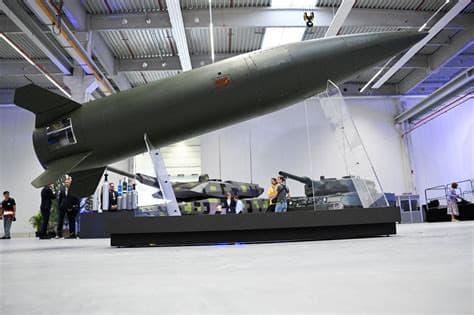
The company has entered into a memorandum of understanding with Lockheed Martin to facilitate the production of ATACMS at its Unterluess facility. This plant is expected to undergo significant upgrades to accommodate the new production lines, with plans for the facilities to be operational by next year. The joint venture approval process is reportedly well advanced, which is a positive sign for both companies as they seek to enhance their production capabilities.
The ATACMS, or Army Tactical Missile System, is a critical component of the U.S. military's arsenal, providing long-range strike capabilities. As the demand for such precision munitions increases, especially in light of recent military engagements, the ability to produce these missiles efficiently becomes paramount. Rheinmetall's partnership with Lockheed Martin is seen as a strategic move to bolster production and ensure that the U.S. military can maintain its operational readiness.
Industry analysts have noted that the challenges faced by Rheinmetall and Lockheed Martin are not unique. Many defense contractors are grappling with similar issues as they attempt to scale up production in response to heightened geopolitical tensions. The complexities of supply chains, workforce availability, and regulatory approvals all play a role in determining how quickly these companies can respond to military demands.
In conclusion, while Rheinmetall is making strides towards increasing ATACMS production, the company is realistic about the time required to achieve these goals. As the U.S. military continues to navigate its stock replenishment efforts, the collaboration between Rheinmetall and Lockheed Martin will be closely monitored by defense experts and military officials alike.
Published by Banx Network. This article is part of the Banx decentralized media programme, powered by the BXE token on the XRP Ledger.



