For decades, humanity’s view of the cosmos was framed by the visible light captured by telescopes like Hubble. But with the arrival of the James Webb Space Telescope (JWST), that frame has expanded into the infrared, revealing a universe that is older, brighter, and more chaotic than previously imagined. Since its launch, JWST has not just added details to existing maps; it has redrawn them entirely, challenging fundamental assumptions about galaxy formation, star birth, and the early history of the universe. It is a revolution in understanding, driven by photons that have traveled billions of years to reach our sensors.
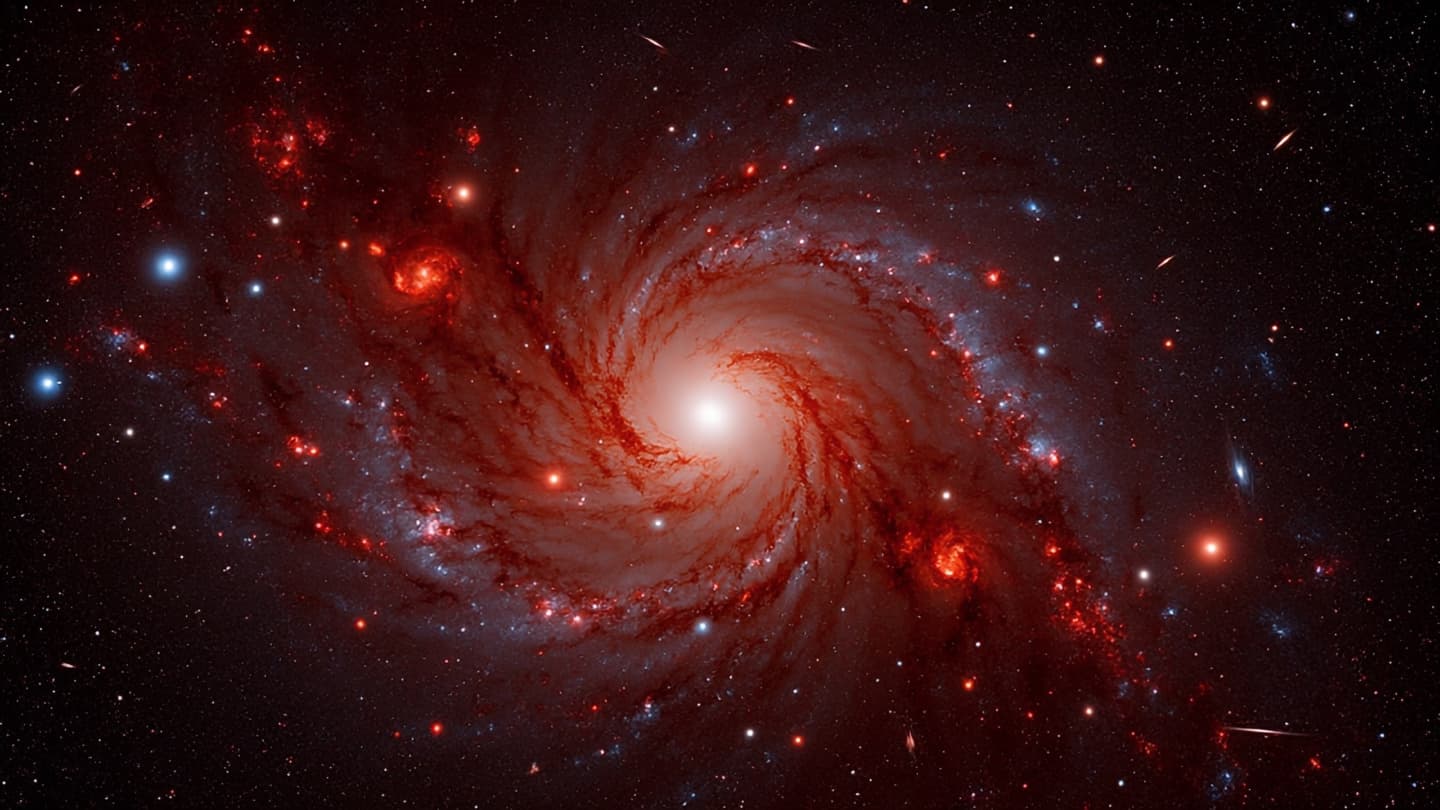
One of the most startling discoveries has been the existence of massive, mature galaxies in the very early universe. According to previous models, such structures should not have had time to form so soon after the Big Bang. Yet, JWST has identified galaxies that are surprisingly large and well-organized, defying current theories of cosmic evolution. This discrepancy forces astronomers to reconsider the timeline of galaxy assembly and the physical processes that drove their rapid growth in the infant cosmos.
The telescope’s ability to peer through dust clouds has also transformed our understanding of star formation. Infrared light penetrates the opaque shrouds of gas and dust that obscure visible light, allowing JWST to witness the birth of stars in unprecedented detail. These observations reveal complex interactions between young stars and their surrounding environments, providing new insights into the lifecycle of stellar systems and the conditions necessary for planet formation.
Beyond galaxies and stars, JWST is revolutionizing the study of exoplanet atmospheres. By analyzing the light filtering through the atmospheres of distant worlds, scientists can detect the chemical signatures of water, methane, and carbon dioxide. These findings are crucial in the search for habitable zones and potential signs of life. The precision of JWST’s instruments allows for a level of detail that was previously impossible, turning speculative science into concrete data.
The impact of these discoveries extends beyond academia. They challenge our philosophical place in the universe, suggesting that cosmic structures may be more common and diverse than we thought. The sheer number of galaxies detected in small patches of sky hints at a universe teeming with activity, far richer than our earlier estimates. It is a humbling reminder of how much remains unknown.
Collaboration among international teams has been key to interpreting this flood of data. Astronomers from around the world are working together to refine models and share insights, creating a dynamic and rapidly evolving field of study. The open access to JWST data ensures that discoveries are verified and built upon quickly, accelerating the pace of scientific progress.
As the mission continues, expectations remain high. Each new image and spectrum holds the potential to upend another established theory. The telescope is not just a tool for observation but a catalyst for intellectual renewal, pushing the boundaries of what we consider possible in astrophysics.
The James Webb Space Telescope is doing more than observing the universe; it is redefining our understanding of it. By revealing the unexpected complexity of the early cosmos, JWST invites us to rethink the origins of everything we see in the night sky.
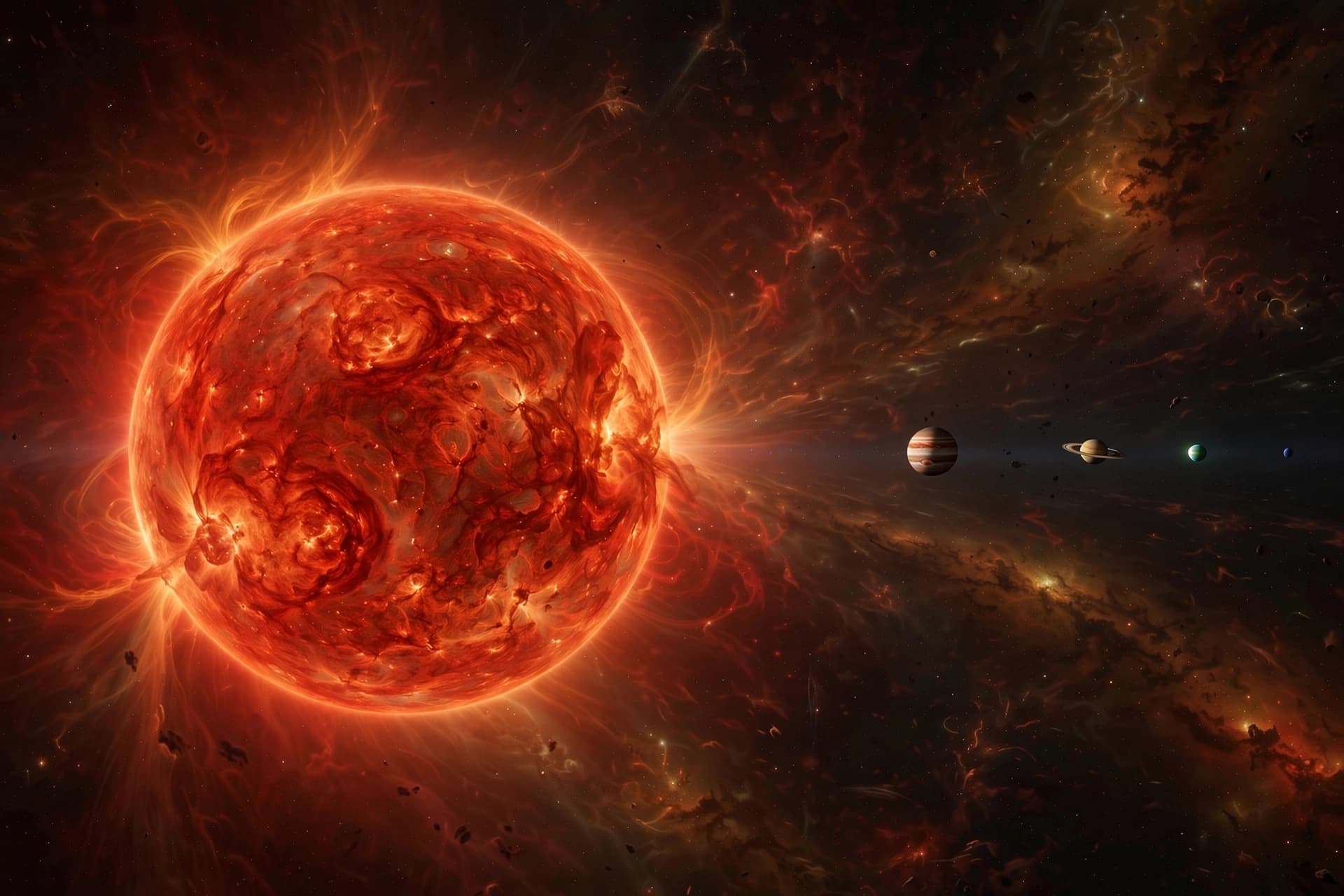
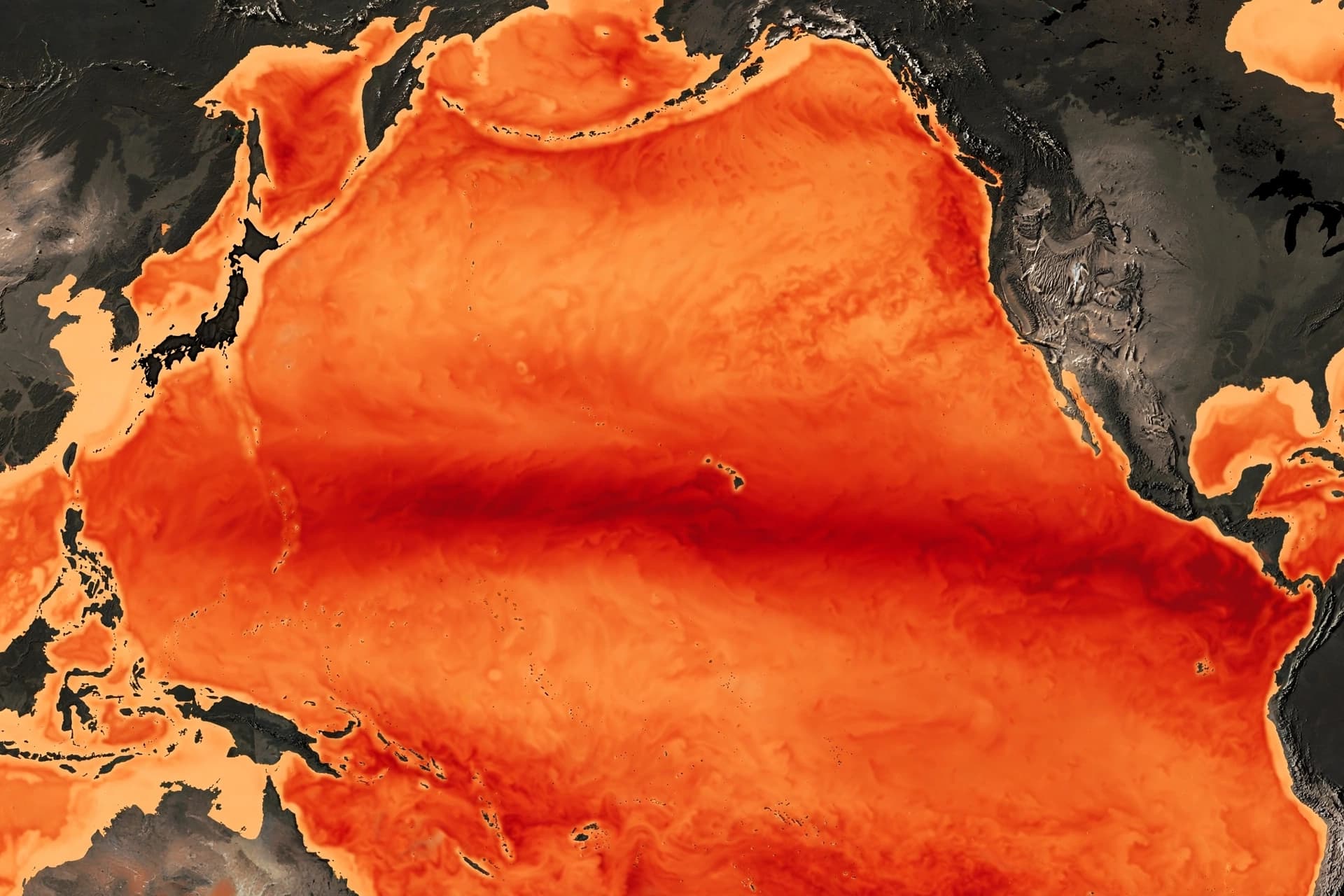
AI Image Disclaimer: Please note that the images in this piece are AI-generated illustrations created to depict the themes of space exploration and astronomical discovery.
Sources: NASA, Nature Astronomy, Space.com, The New York Times
Published by Banx Network. This article is part of the Banx decentralized media programme, powered by the BXE token on the XRP Ledger.