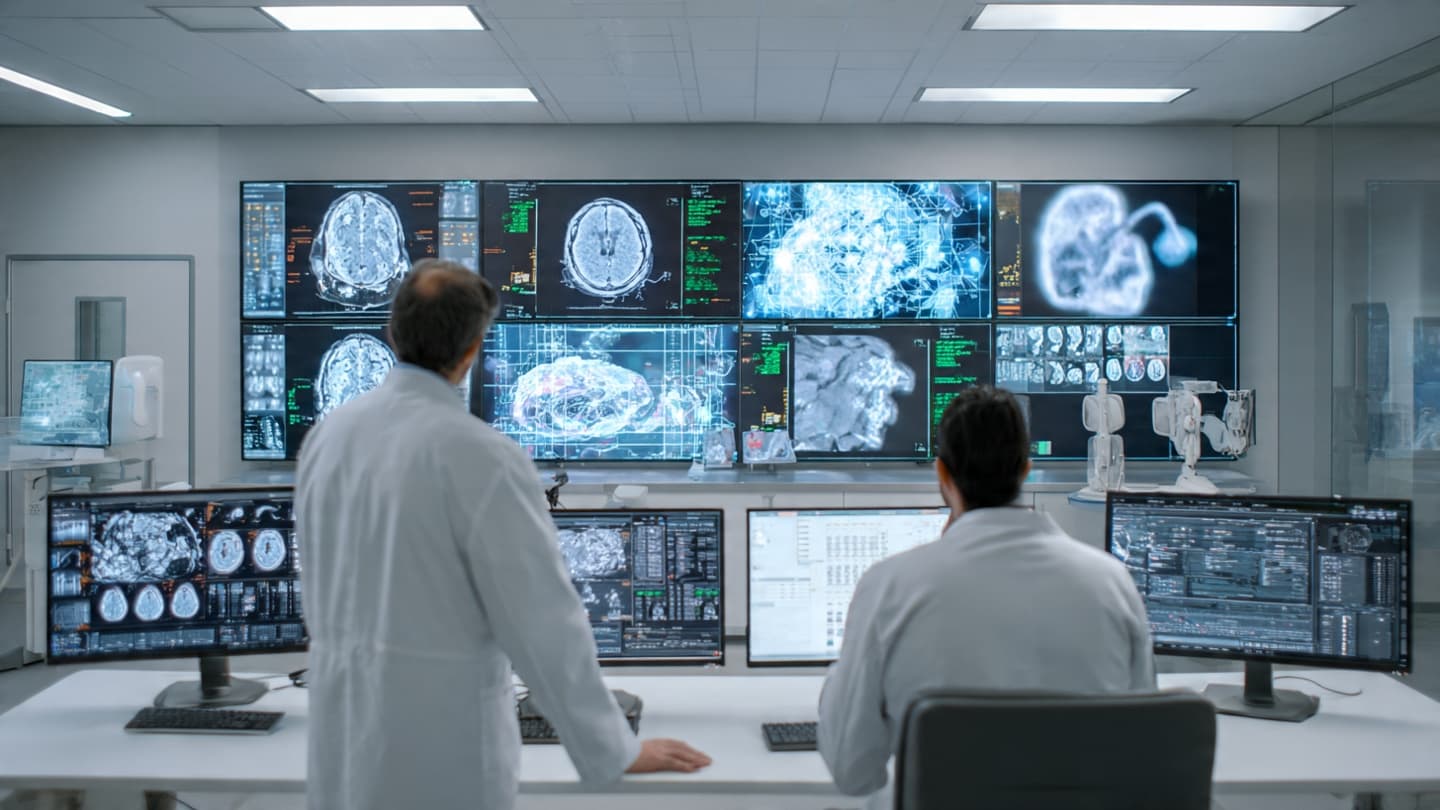
<h2>China Takes the Lead in Integrating AI with Medical Services</h2><p>As the world grapples with the increasing complexity of healthcare, China is rapidly advancing its digital medicine sector by harnessing the power of artificial intelligence (AI). The nation's burgeoning healthcare technology industry is focused on developing innovative solutions to enhance medical services and support healthcare professionals.</p><p>The integration of AI in various aspects of healthcare has become a pressing concern for companies operating within this sector. According to reports from Reuters, Bloomberg, and the World Health Organization, several Chinese firms are actively exploring AI applications in medical imaging, patient management, and hospital operations. The aim is to improve efficiency while empowering doctors with advanced tools to analyze complex medical information.</p><p>One of the primary concerns surrounding the adoption of AI in healthcare is ensuring accuracy and reliability. Industry leaders stress that any medical AI solution must undergo rigorous testing to guarantee optimal performance. The stakes are high, as the direct impact on patient outcomes hangs precariously in the balance.</p><p>The strategic approach taken by research organizations and technology companies aligns with a fundamental principle: assisting rather than replacing medical professionals. By doing so, they aim to augment human capabilities while promoting a culture of accountability and transparency within the healthcare system.</p><h2>Digital Platforms Expand Access to Healthcare</h2><p>A significant advantage of AI-powered healthcare platforms lies in their ability to expand access to medical information and remote healthcare services. As the world becomes increasingly interconnected, these digital gateways offer patients unprecedented opportunities for healthcare consultation and support from anywhere in the globe.</p><p>The successful integration of AI in China's healthcare sector also reflects a broader global movement towards combining medical expertise with advanced digital tools. The World Health Organization has taken notice of this trend, emphasizing the need for strong regulation, transparency, and public trust to ensure seamless adoption.</p><p>China's medical technology development serves as a prime example of how collaborative efforts between governments, research institutions, and private enterprises can lead to groundbreaking innovations in healthcare. As the world continues to navigate the complexities of modern medicine, it is clear that AI will play an increasingly vital role in shaping the future of healthcare.</p><p>The strategic implications are far-reaching. With accurate data analysis, predictive analytics, and real-time insights becoming more accessible than ever before, China's foray into digital medicine has set a precedent for other nations to follow suit. By integrating AI with medical expertise, countries can revolutionize their healthcare systems, improving efficiency, effectiveness, and patient outcomes.</p>
Published by Banx Network. This article is part of the Banx decentralized media programme, powered by the BXE token on the XRP Ledger.