
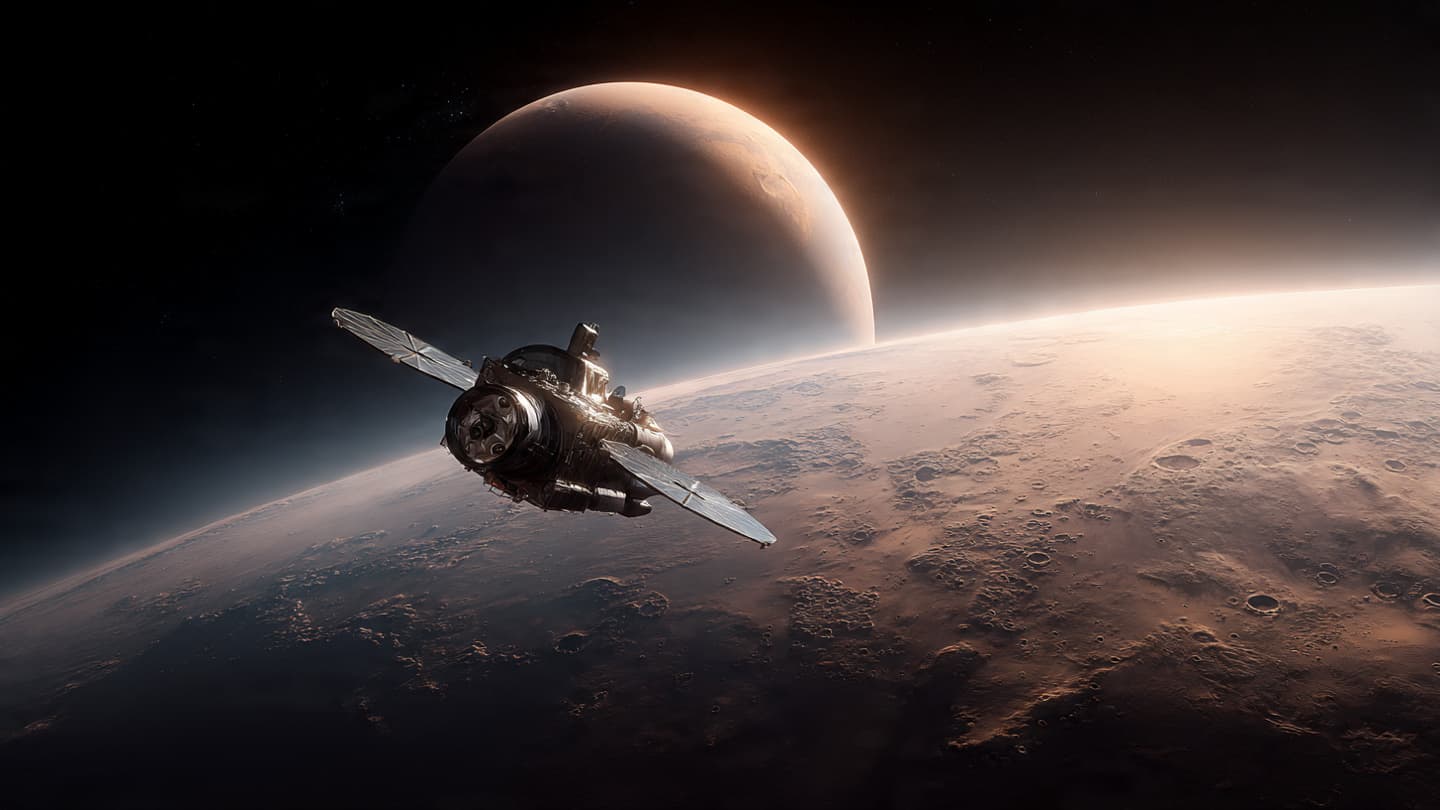
Returning to the Moon is no longer viewed simply as revisiting familiar ground. The lunar surface, once reached through bold steps taken generations ago, now represents a new frontier shaped by modern technology, international partnerships, and long-term ambitions. Each mission planned under NASA’s Artemis program carries the weight of history alongside the uncertainty of future exploration.
NASA officials recently described the planned Artemis 3 mission as one of the most highly complex operations the agency has ever attempted. The mission is expected to mark the first crewed lunar landing since Apollo 17 in 1972, while introducing technologies and procedures far more intricate than earlier Moon missions.
Unlike the Apollo era, Artemis 3 will rely on multiple spacecraft systems operating together in deep space. The mission architecture includes NASA’s Orion spacecraft, the Space Launch System rocket, a lunar lander developed by SpaceX, and supporting operations in lunar orbit. Coordinating these systems requires extensive testing and precise timing.
Astronauts are expected to travel aboard Orion to lunar orbit, where they will transfer to the Human Landing System for descent to the Moon’s surface. NASA officials noted that docking procedures, communication systems, and navigation requirements add substantial complexity compared with previous lunar missions.
The mission also involves extended surface exploration near the Moon’s south polar region, an area scientists consider especially important because of potential water ice deposits inside permanently shadowed craters. Researchers believe these resources could support future long-duration lunar missions and eventually deeper space exploration.
Safety remains a major focus throughout Artemis planning. Engineers continue evaluating life-support systems, spacesuits, propulsion technology, and emergency procedures under conditions far more demanding than low-Earth orbit missions. Each component must function reliably across long distances where immediate assistance from Earth is impossible.
NASA and its partners are also balancing technical development schedules alongside budget and operational considerations. Delays in spacecraft systems, spacesuit readiness, and lunar lander preparation have contributed to adjustments in Artemis timelines over recent years.
Despite these challenges, the mission represents a broader international effort to establish a sustained human presence beyond Earth orbit. Artemis is designed not only as a return to the Moon, but also as preparation for future missions to Mars and deeper regions of space.
As planning continues, Artemis 3 reflects how modern exploration has evolved into a deeply interconnected undertaking involving engineering, science, logistics, and global cooperation. The mission may revisit familiar lunar ground, but the path toward it has become far more technologically demanding than before.
AI Image Disclaimer: Certain space visuals accompanying this article were produced using AI-generated illustrations for representational purposes.
Sources: NASA, SpaceNews, Ars Technica, Reuters, Space.com
Published by Banx Network. This article is part of the Banx decentralized media programme, powered by the BXE token on the XRP Ledger.



