The story of humanity is often told as a straight line, a steady march from primitive beginnings to modern complexity. Yet, the fossil record tells a different tale—one of branching paths, dead ends, and overlapping lives. As new discoveries emerge from the dusty soils of Africa and beyond, scientists are finding that the traditional labels we use to categorize our ancestors may no longer fit the intricate reality of our past. It is time, many argue, to rethink the very language we use to describe who we were.
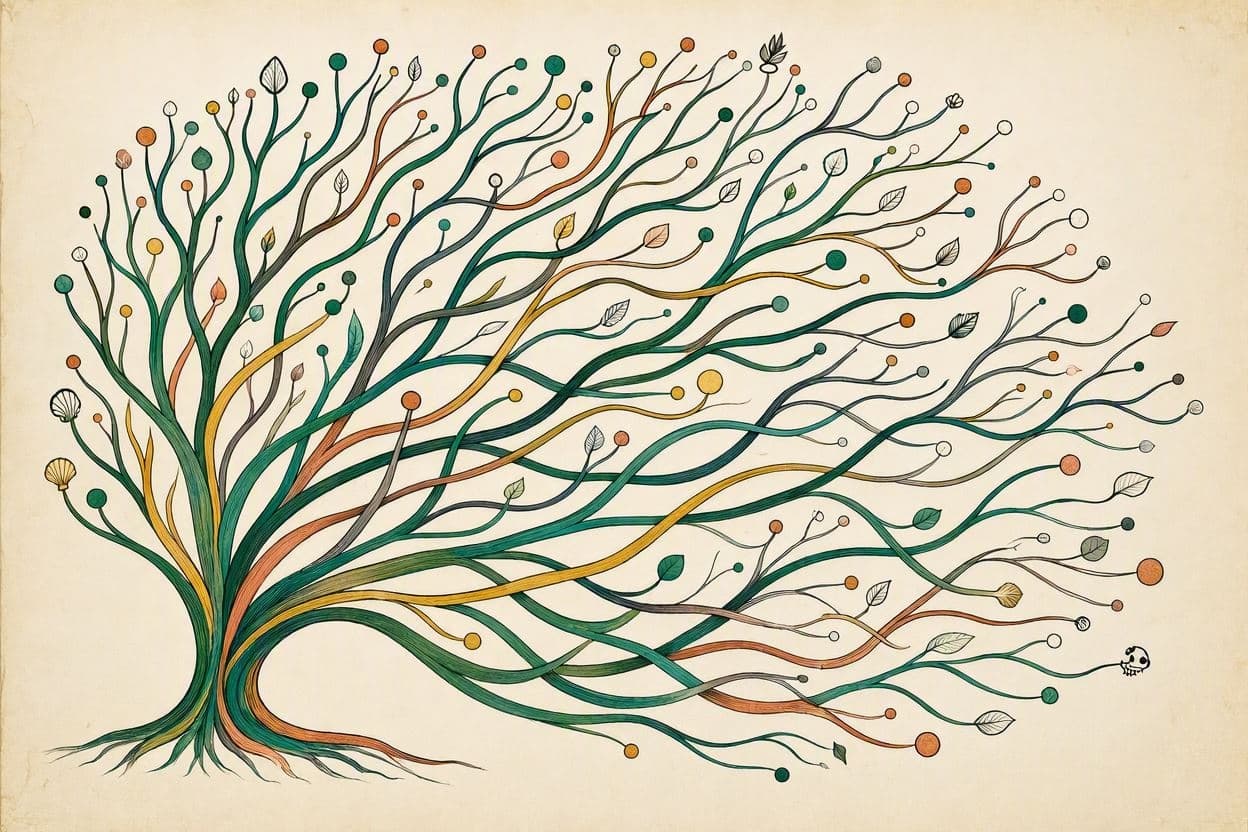
For decades, terms like Homo habilis or Australopithecus afarensis have served as convenient buckets for fossils that share certain traits. But these categories were created in an era when fewer specimens existed, and the picture was far less complete. Today, with hundreds of new finds and advanced genetic tools, the boundaries between species appear blurrier. What once seemed like distinct steps on a ladder now looks more like a tangled bush, with multiple hominin species living side by side, interbreeding, and evolving in parallel.
This complexity challenges the rigid taxonomic systems established in the twentieth century. Some researchers suggest that the variation seen in fossils may represent natural diversity within a single, evolving lineage rather than separate species. Others argue that our current naming conventions obscure the dynamic nature of evolution, where change is constant and categories are fluid. The debate is not merely academic; it shapes how we understand our place in the natural world.
Recent findings, such as those from the Rising Star Cave in South Africa, have further complicated the picture. Fossils like Homo naledi possess a mix of ancient and modern features that defy easy classification. Are they a distinct species, or a variant of Homo erectus? The answer may depend less on the bones themselves and more on the philosophical framework we apply to them. This uncertainty invites humility, reminding us that nature does not always conform to human boxes.
Proponents of reform argue for a more flexible approach, one that emphasizes relationships and timelines over static labels. They suggest using terms that reflect evolutionary stages or geographic populations rather than strict binomial nomenclature. This shift would allow for a more nuanced narrative, one that acknowledges the messiness of life and the gradual nature of change. It is a move away from certainty and toward a deeper appreciation of complexity.
Critics, however, caution that abandoning established names could lead to confusion and hinder communication. Scientific terminology serves as a common language, allowing researchers across the globe to share data efficiently. Changing these terms requires consensus and careful consideration, ensuring that clarity is not sacrificed for the sake of theoretical purity. The balance between precision and flexibility remains a delicate one.
Ultimately, the debate reflects a broader shift in how we view history. We are moving from a model of linear progress to one of adaptive radiation, where survival depends on versatility and connection. Our ancestors were not just stepping stones to us; they were successful organisms in their own right, navigating a world as challenging as our own. Recognizing this helps us see them not as inferior predecessors but as resilient kin.
As we continue to unearth the past, our understanding of it will inevitably evolve. The names we choose matter, for they shape the stories we tell about ourselves. By embracing a more fluid and inclusive taxonomy, we may find a truer reflection of our origins—one that honors the diversity and dynamism of the human journey.
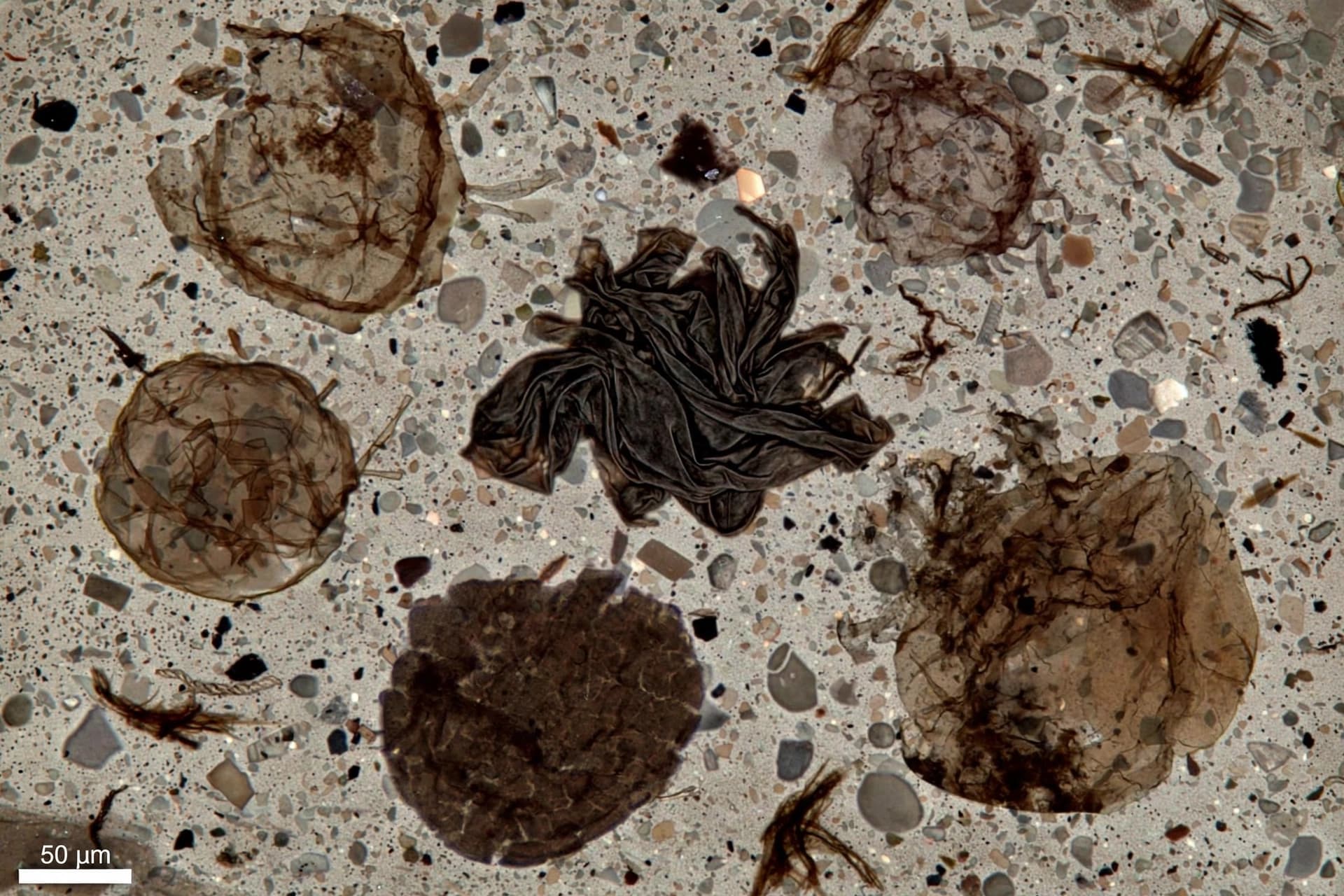
AI Image Disclaimer: The visual elements in this article are AI-generated illustrations depicting fossil fragments and evolutionary trees, designed to visualize the concept of classification without showing real proprietary scientific data.
Sources: Nature, Smithsonian Magazine, The Conversation, Science Daily
Published by Banx Network. This article is part of the Banx decentralized media programme, powered by the BXE token on the XRP Ledger.