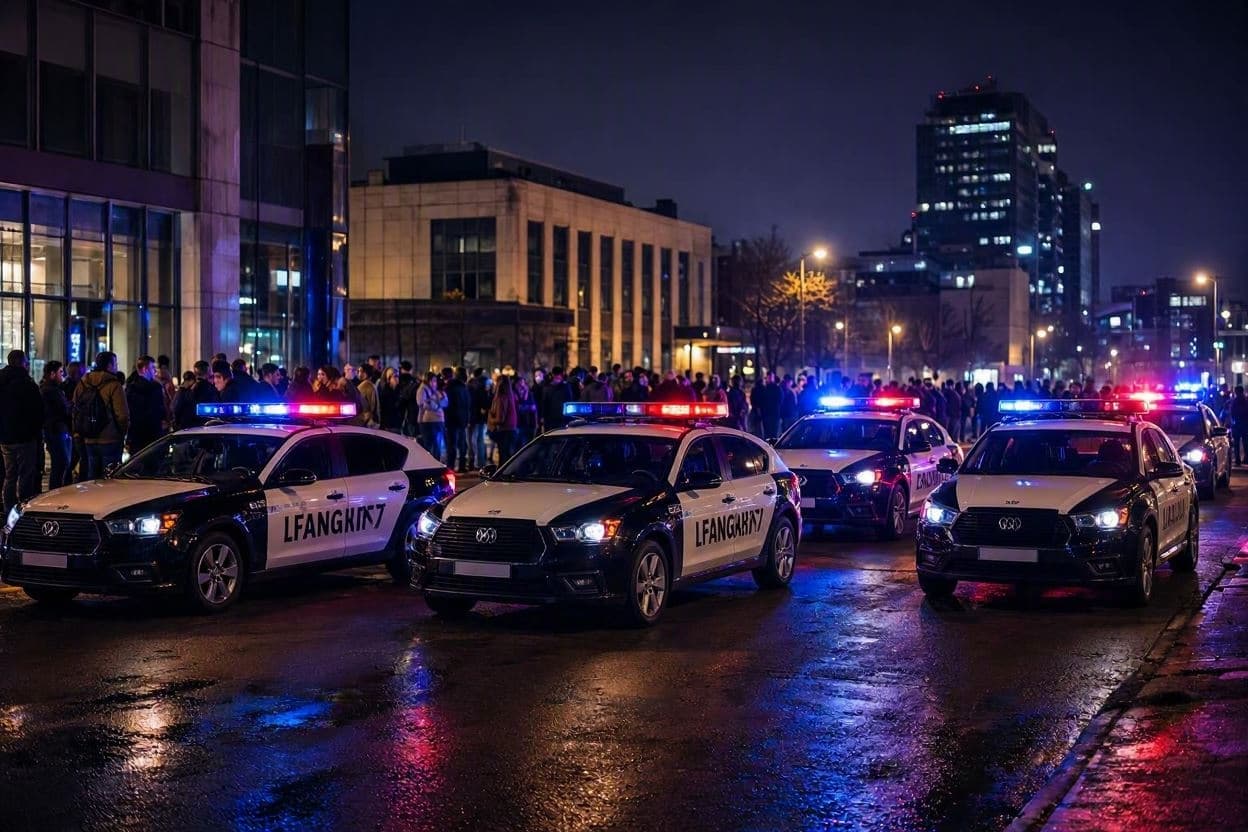
The streets of Los Angeles, usually a tapestry of diverse movements and rhythms, recently became the stage for a disruptive spectacle known as a "street takeover." In these events, large groups of drivers congregate to perform stunts, blocking traffic and endangering public safety. In response, the Los Angeles Police Department issued a tactical alert, mobilizing resources to restore order and resulting in the detention of hundreds of participants.
Street takeovers have become a growing concern in major cities, blending elements of car culture with reckless behavior. What begins as a display of skill often devolves into chaos, with vehicles spinning uncontrollably and spectators placing themselves in harm’s way. For the LAPD, addressing these incidents requires a delicate balance between enforcement and de-escalation.
The tactical alert allowed officers to coordinate across divisions, setting up perimeters and using specialized units to manage the crowds. This strategic approach aimed to minimize violence while effectively dismantling the illegal gathering. The scale of the operation reflected the seriousness with which the department views these threats to public order.
Hundreds of detentions were reported, signaling a zero-tolerance stance toward such activities. While some critics argue that heavy-handed tactics may exacerbate tensions, supporters emphasize the need to protect innocent bystanders and maintain traffic flow. The debate highlights the complex relationship between law enforcement and community dynamics.
For the participants, many of whom are young adults, the allure of fame and adrenaline drives their actions. Social media plays a significant role, with videos of stunts garnering thousands of views. This digital validation creates a feedback loop that encourages repeat offenses, making prevention challenging.
Community leaders have called for alternative outlets for automotive enthusiasm, such as sanctioned track events. By providing safe spaces for car culture to thrive, the city may reduce the incentive for illegal street activities. This proactive approach addresses the root causes rather than just the symptoms.
The aftermath of the takeover involves processing detainees and assessing damage to public infrastructure. The cost of these events is high, both financially and socially. Restoring trust and safety requires ongoing dialogue and collaborative efforts between police, residents, and youth organizations.
The LAPD’s response to the street takeover underscores the challenge of managing modern urban disruptions. Through coordinated action and community engagement, the goal is to ensure that city streets remain safe and accessible for all, curbing the rise of dangerous spectacles.
AI Image Disclaimer: Visual aids for this report are created using AI technology to depict the context of the event.
Sources: Los Angeles Police Department CNN Los Angeles Daily News
Published by Banx Network. This article is part of the Banx decentralized media programme, powered by the BXE token on the XRP Ledger.