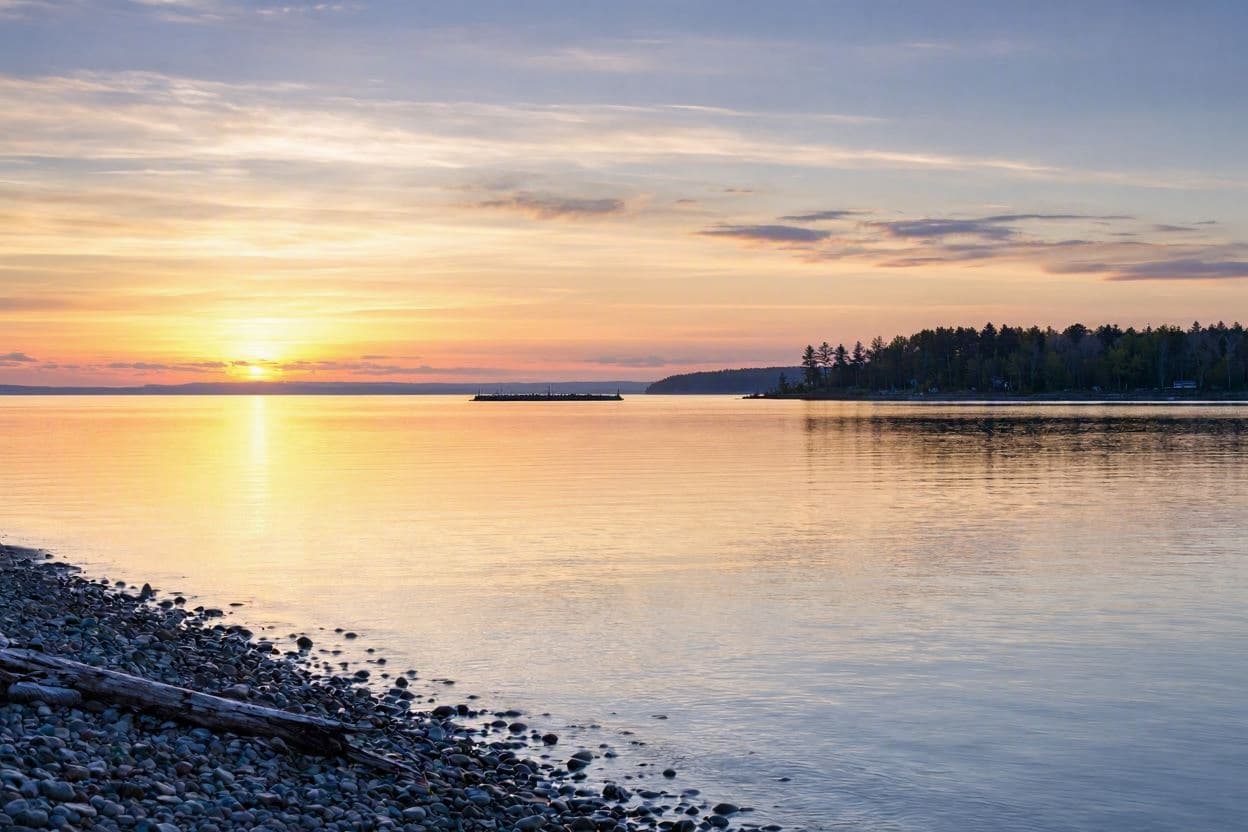
Water flows without regard for borders, yet the names we give to these bodies often carry the weight of history, identity, and politics. Lake Ontario, one of the five Great Lakes, has recently become part of a broader conversation about geographical nomenclature. While its name is well-established, discussions around indigenous rights and historical accuracy have sparked debates about how we label the natural world. This is not an isolated incident; across North America, many lakes, rivers, and mountains are caught in a similar struggle between colonial legacy and cultural reclamation.
The push to restore original indigenous names is gaining momentum as part of a larger effort to acknowledge the histories of Native peoples who inhabited these lands long before European arrival. For many tribes, place names are not just labels but stories that encode knowledge about the land, its resources, and its spiritual significance. Restoring these names is seen as a step toward reconciliation and respect, correcting centuries of erasure. However, the process is complex, involving legal hurdles, public sentiment, and logistical challenges.
Lake Ontario itself has known different names among the Haudenosaunee Confederacy, such as Ontari’io, meaning "beautiful lake" or "great lake." While the current name is derived from this indigenous root, the debate often extends to other locations where names were completely replaced or anglicized. The conversation invites reflection on how language shapes our relationship with the environment. Do we see the land as a resource to be mapped and owned, or as a relative to be honored?
Opponents of changing names often cite tradition and the cost of updating maps, signs, and official documents. They argue that established names facilitate communication and navigation. Proponents counter that the moral imperative to correct historical injustices outweighs these inconveniences. They suggest that dual naming systems could offer a compromise, preserving historical references while honoring original identities. This approach has been successful in some regions, allowing for a gradual shift in public usage.
The issue extends beyond symbolism. Recognizing indigenous names can lead to greater involvement of tribal nations in environmental management and conservation efforts. It acknowledges their stewardship and expertise, fostering partnerships that benefit ecological health. As climate change threatens water resources, these collaborations become increasingly vital. The naming debate, therefore, is intertwined with broader questions of sustainability and justice.
Public education plays a key role in this transition. Schools and media outlets are beginning to include indigenous perspectives in their coverage of geography and history. This helps normalize the use of original names and fosters a deeper understanding of local heritage. As awareness grows, resistance may soften, paving the way for more inclusive practices. The journey is slow, but each step contributes to a more accurate and respectful narrative.
As the discussion continues, Lake Ontario stands as a symbol of both continuity and change. Its waters remain constant, but the stories we tell about them are evolving. The naming fight is not just about words; it is about recognizing the fullness of history and the diversity of voices that have shaped the land. It is a reminder that geography is never neutral.
The debate over naming Lake Ontario and other bodies of water reflects a growing movement to restore indigenous place names, balancing historical tradition with cultural recognition and reconciliation.
AI Image Disclaimer: Visuals associated with this article are computer-generated interpretations designed to complement the narrative, not actual photographic evidence.
Sources: BBC News National Geographic CBC News Indigenous News Outlets
Published by Banx Network. This article is part of the Banx decentralized media programme, powered by the BXE token on the XRP Ledger.