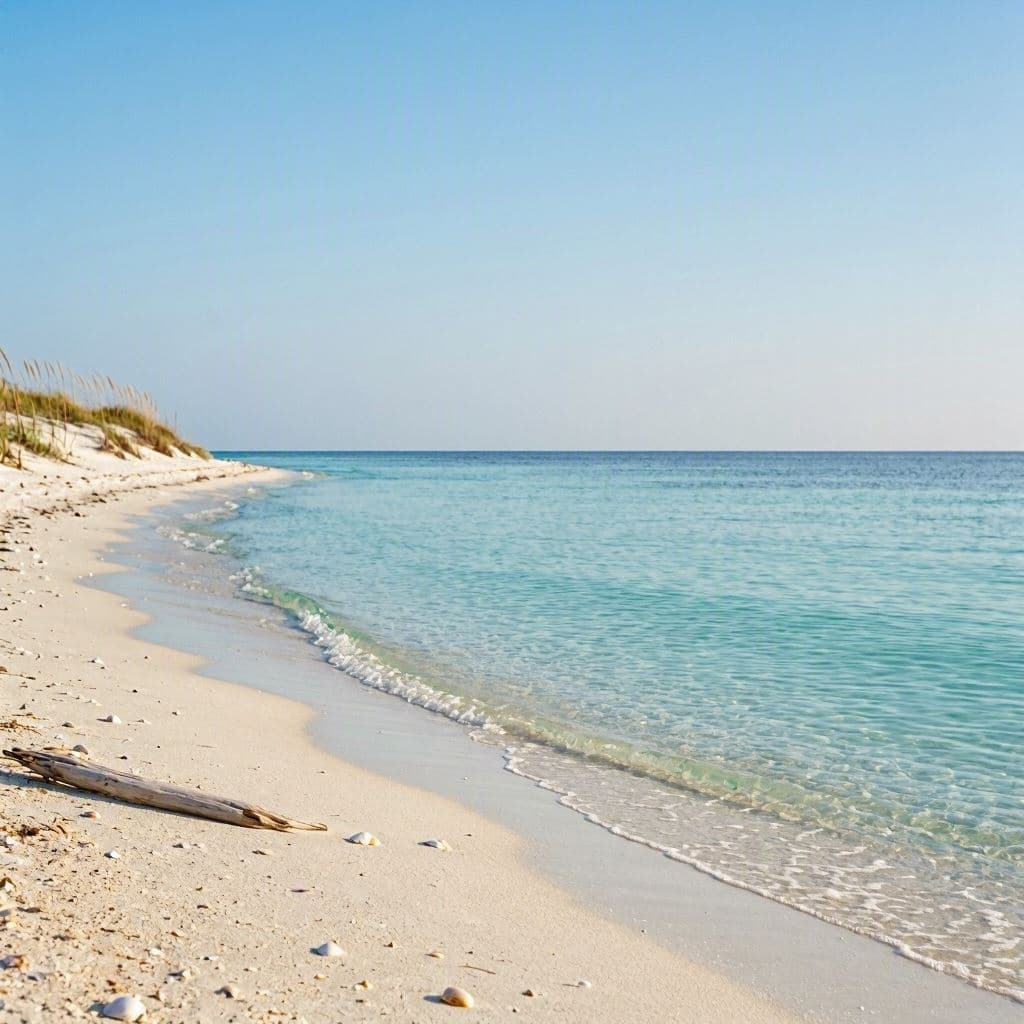
The Gulf of Mexico is a place of immense beauty and bounty, its warm waters inviting swimmers and fishermen alike. Yet, beneath the surface of this tropical paradise lies a microscopic threat that demands respect. In Louisiana, health officials have reported at least five deaths this year from infections caused by Vibrio vulnificus, a bacterium often referred to as "flesh-eating." These tragic losses serve as a somber reminder that nature’s warmth can harbor hidden dangers, particularly for those with compromised immune systems or open wounds. It is a story that balances the joy of coastal life with the necessity of caution.
The Louisiana Department of Health confirmed that nine residents were hospitalized with Vibrio infections in 2026, with five succumbing to the illness. This mortality rate is significantly higher than usual, raising concerns among medical professionals. The bacterium thrives in warm, brackish water, and rising sea temperatures due to climate change may be contributing to its increased prevalence. For the families of the victims, the speed and severity of the infection have been devastating, turning a simple day at the beach or a meal of raw oysters into a life-threatening emergency.
Vibrio vulnificus can enter the body through open wounds exposed to contaminated water or through the consumption of raw or undercooked seafood, particularly oysters. Once inside, it can cause severe skin lesions, sepsis, and organ failure. Symptoms often appear quickly, including fever, chills, and painful swelling. Early diagnosis and aggressive antibiotic treatment are crucial for survival, but even with medical intervention, the outcome can be fatal.
Health officials have issued warnings to residents and visitors, urging them to take precautions. They advise avoiding swimming in warm seawater if you have open cuts or sores and wearing protective footwear when wading. For seafood lovers, the recommendation is to cook oysters thoroughly, as heat kills the bacteria. These simple steps can significantly reduce the risk of infection, allowing people to enjoy the Gulf’s offerings safely.
The increase in cases has sparked discussions about environmental changes and public health preparedness. As water temperatures rise, the range and activity of Vibrio species may expand, requiring updated guidelines and greater awareness. Medical providers are being trained to recognize the signs early, ensuring that patients receive timely care. Community education is also key, helping people understand the risks without causing unnecessary panic.
For the communities affected, the loss of life is deeply felt. Each victim had a story, a family, and a connection to the coast that defined their lives. Their deaths highlight the importance of respecting natural forces and staying informed about local health advisories. Support groups and counseling services are available for those grieving, offering comfort in a time of sorrow.
The deaths from Vibrio vulnificus in Louisiana are a tragic reminder of the hidden risks in warm coastal waters. As summer continues, vigilance and precaution are essential. By following health guidelines, residents and visitors can protect themselves and their loved ones, ensuring that the beauty of the Gulf remains a source of joy rather than fear.
AI Image Disclaimer: The visual elements accompanying this report are AI-generated interpretations designed to reflect the medical and environmental context of the story.
Sources: WDSU WWLTV Louisiana Department of Health
Published by Banx Network. This article is part of the Banx decentralized media programme, powered by the BXE token on the XRP Ledger.