The global energy landscape is a complex tapestry woven from geopolitical threads, economic necessities, and environmental concerns. In this intricate web, decisions made by corporate giants often ripple far beyond balance sheets, influencing international relations and local economies. Chevron’s confirmation that it will expand its operations in Venezuela marks a significant shift in the dynamics of the oil industry. This move invites reflection on the interplay between commerce and diplomacy, as well as the enduring allure of vast natural resources in a world transitioning toward new energy paradigms.
Venezuela holds some of the largest proven oil reserves in the world, yet its production has struggled for years due to economic sanctions, infrastructure decay, and political instability. For Chevron, the decision to expand represents a calculated re-entry into a market that has been largely inaccessible to U.S. companies for over a decade. This expansion is facilitated by recent adjustments in U.S. sanctions policy, which aim to encourage democratic reforms while allowing limited commercial engagement.
The implications for Venezuela are profound. Increased investment from a major international player could help modernize aging infrastructure and boost production capacity. For the local workforce, this may translate into job opportunities and technical training, offering a glimmer of economic hope in a country facing severe hardship. However, the benefits must be weighed against the historical complexities of foreign extraction and the need for equitable resource management.
From a global perspective, this development adds another layer to the ongoing conversation about energy security. As nations seek to stabilize supply chains amidst geopolitical tensions, diversifying sources of crude oil becomes a strategic priority. Chevron’s move signals a pragmatic approach to meeting global demand, even as the broader energy transition gains momentum. It highlights the reality that fossil fuels will remain a critical component of the energy mix for the foreseeable future.
Critics, however, raise concerns about the environmental and social impacts of expanded drilling. The Amazonian regions and coastal areas of Venezuela are ecologically sensitive, and increased industrial activity poses risks to biodiversity and local communities. Environmental advocates urge strict adherence to sustainability standards, emphasizing that economic gain should not come at the expense of ecological integrity or human rights.
The diplomatic dimension cannot be overlooked. The easing of restrictions for Chevron is part of a broader effort by the U.S. government to engage with the Venezuelan leadership. While controversial, this approach reflects a belief that economic engagement can serve as a lever for political change. Whether this strategy yields the desired outcomes remains to be seen, but it underscores the interconnectedness of business and statecraft.
For investors and market analysts, Chevron’s expansion is a sign of confidence in the long-term viability of Venezuelan oil. It suggests that despite the challenges, the potential rewards are deemed worth the risk. This confidence may encourage other international firms to consider similar moves, potentially reshaping the competitive landscape of the Latin American energy sector.
As operations expand, the focus will be on execution and compliance. Ensuring that activities are conducted responsibly and transparently will be crucial for maintaining legitimacy and trust. The journey ahead is fraught with challenges, but it also offers an opportunity to redefine how international energy partnerships can function in complex political environments.
Chevron’s decision to expand operations in Venezuela highlights the evolving relationship between global energy needs and geopolitical strategy. While offering potential economic benefits, the move raises important questions about sustainability and diplomatic engagement. The outcome will depend on careful management and adherence to ethical and environmental standards.
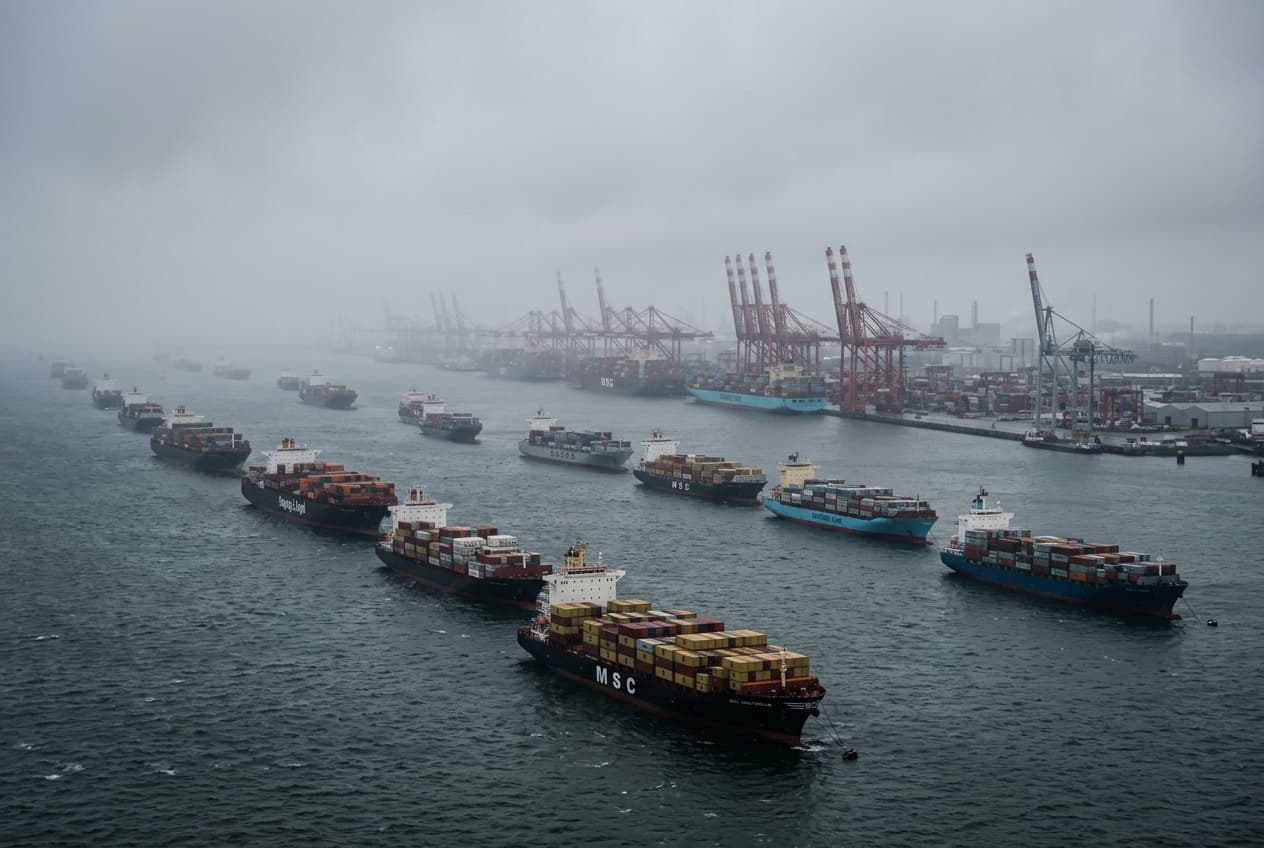
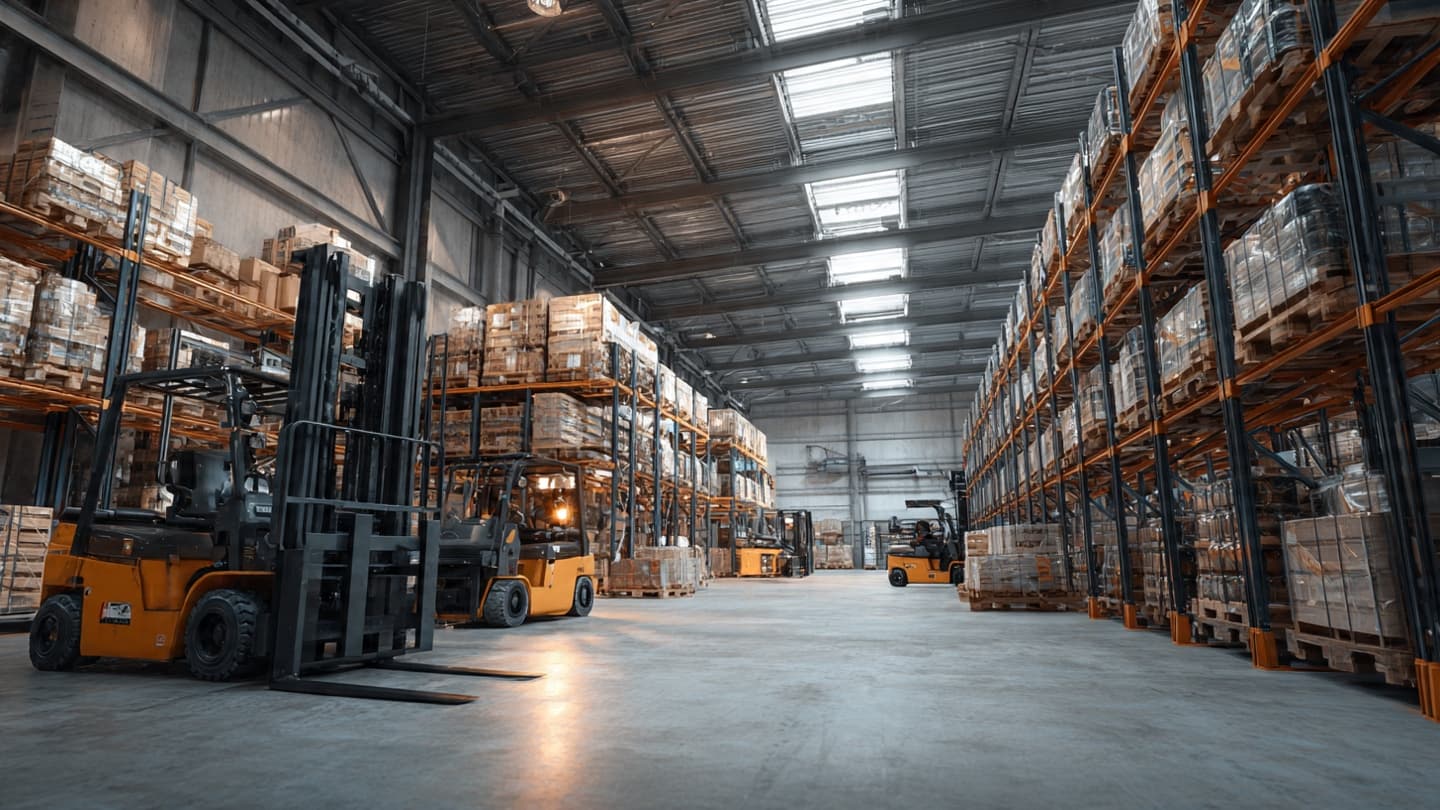
AI Image Disclaimer: The visual representations accompanying this article are AI-generated interpretations designed to symbolize the intersection of energy infrastructure and international commerce, using abstract imagery of oil facilities and global maps.
Sources: Reuters Bloomberg Energy
Published by Banx Network. This article is part of the Banx decentralized media programme, powered by the BXE token on the XRP Ledger.