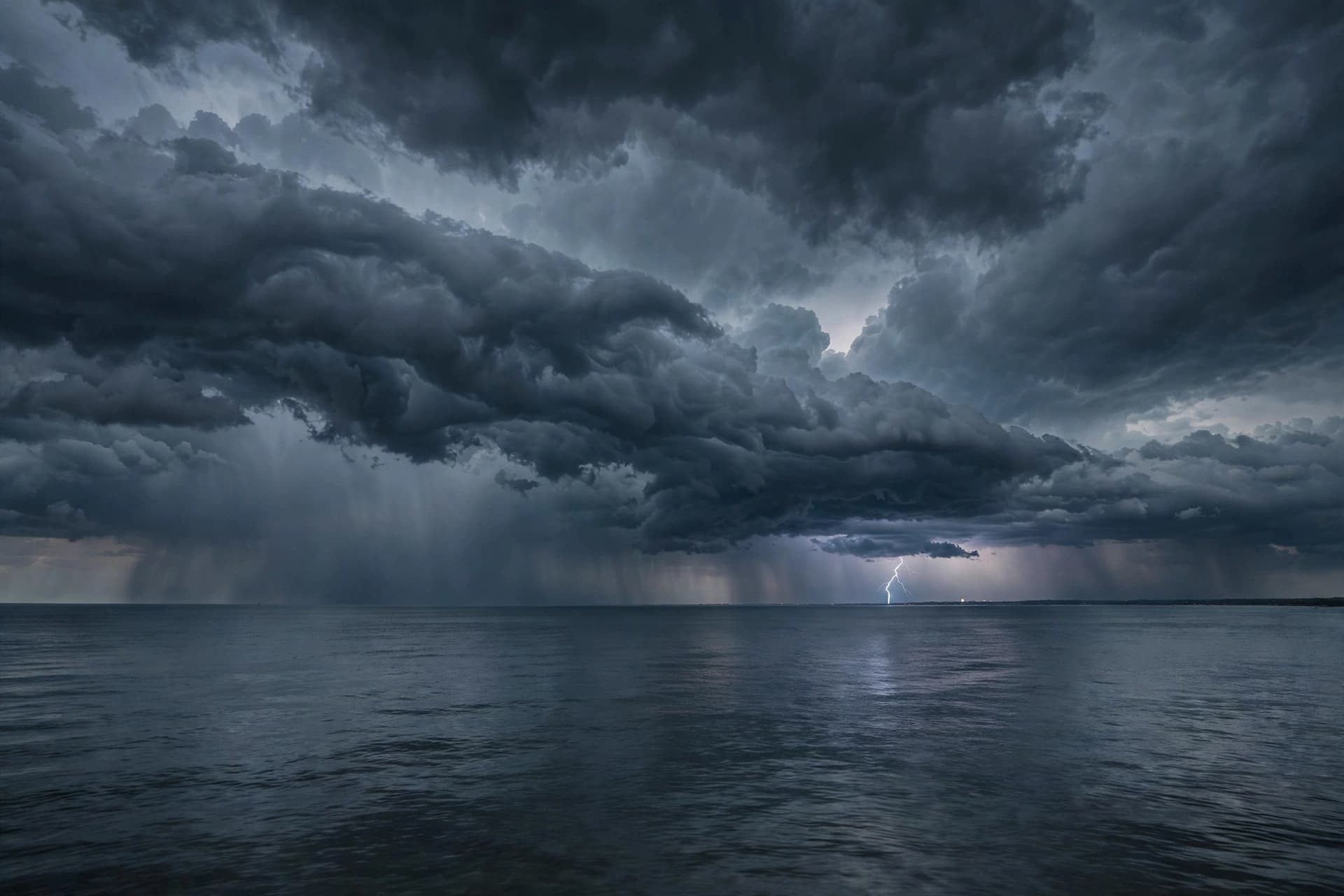
The ocean is a vast and unpredictable theater, where forces of nature perform with a power that humbles human observation. Off the western coast of Mexico, Hurricane Polo has emerged as a formidable presence, intensifying rapidly into a Category 5 storm. While it currently skirts the shoreline rather than making direct landfall, its proximity brings with it a sense of urgent caution. The swirling winds and churning waters serve as a reminder of the delicate balance between coastal life and the atmospheric dynamics that govern it.
Hurricane Polo’s rapid intensification to maximum sustained winds of 160 miles per hour has captured the attention of meteorologists and residents alike. This level of strength places it among the most powerful storms recorded in the Pacific basin. The National Hurricane Center has issued warnings for several Mexican states, including Guerrero and Michoacán, highlighting the potential for life-threatening surf, storm surge, and flooding rains. Although the storm’s path keeps it just offshore, the outer bands are already delivering heavy precipitation to coastal communities.
The decision by many residents to prepare rather than panic reflects a growing familiarity with hurricane seasons. In regions accustomed to such weather patterns, preparation is a routine part of life, yet each storm brings its own unique challenges. Local authorities have activated emergency protocols, ensuring that shelters are ready and evacuation routes are clear. This proactive approach minimizes risk and allows communities to respond with resilience rather than fear.
For those living along the Pacific coast, the threat of heavy rain is often more immediate than the wind itself. Flooding can occur quickly in low-lying areas, disrupting transportation and damaging infrastructure. The saturation of soil from previous rains exacerbates this risk, making drainage systems critical. Emergency services are on high alert, monitoring river levels and urban runoff to prevent catastrophic overflow.
The economic impact of such storms, even those that do not make direct landfall, can be significant. Fishing fleets remain in port, tourism slows, and local businesses adjust their operations to account for the weather. These disruptions, while temporary, highlight the interconnectedness of local economies with natural cycles. The ability to adapt and recover is a testament to the strength of these coastal communities.
Meteorologists continue to track Polo’s movement, noting that it is expected to turn northwest, moving further away from the coast in the coming days. This shift offers a measure of relief, but the storm’s legacy will remain in the form of erosion and debris. Cleanup efforts will begin as soon as conditions allow, restoring order to the affected areas. The scientific community also studies Polo to better understand rapid intensification, a phenomenon that is becoming more frequent in warming oceans.
As the storm passes, the focus shifts to recovery and reflection. The experience of facing a Category 5 hurricane, even from a distance, reinforces the importance of preparedness and respect for nature’s power. It is a moment for communities to come together, supporting one another through the aftermath and rebuilding with renewed vigilance. Hurricane Polo’s passage along the Mexican Pacific coast serves as a powerful reminder of the dynamic nature of our planet. While the immediate threat diminishes as the storm moves away, the lessons learned from its intensity remain. Through careful preparation and community solidarity, residents navigate these challenges, ensuring safety and resilience in the face of natural forces.
AI Image Disclaimer: The visual representations in this article are AI-generated illustrations depicting atmospheric conditions and coastal scenes, not actual photographs of Hurricane Polo.
Sources: National Hurricane Center (NOAA) Fox Weather AccuWeather
Published by Banx Network. This article is part of the Banx decentralized media programme, powered by the BXE token on the XRP Ledger.