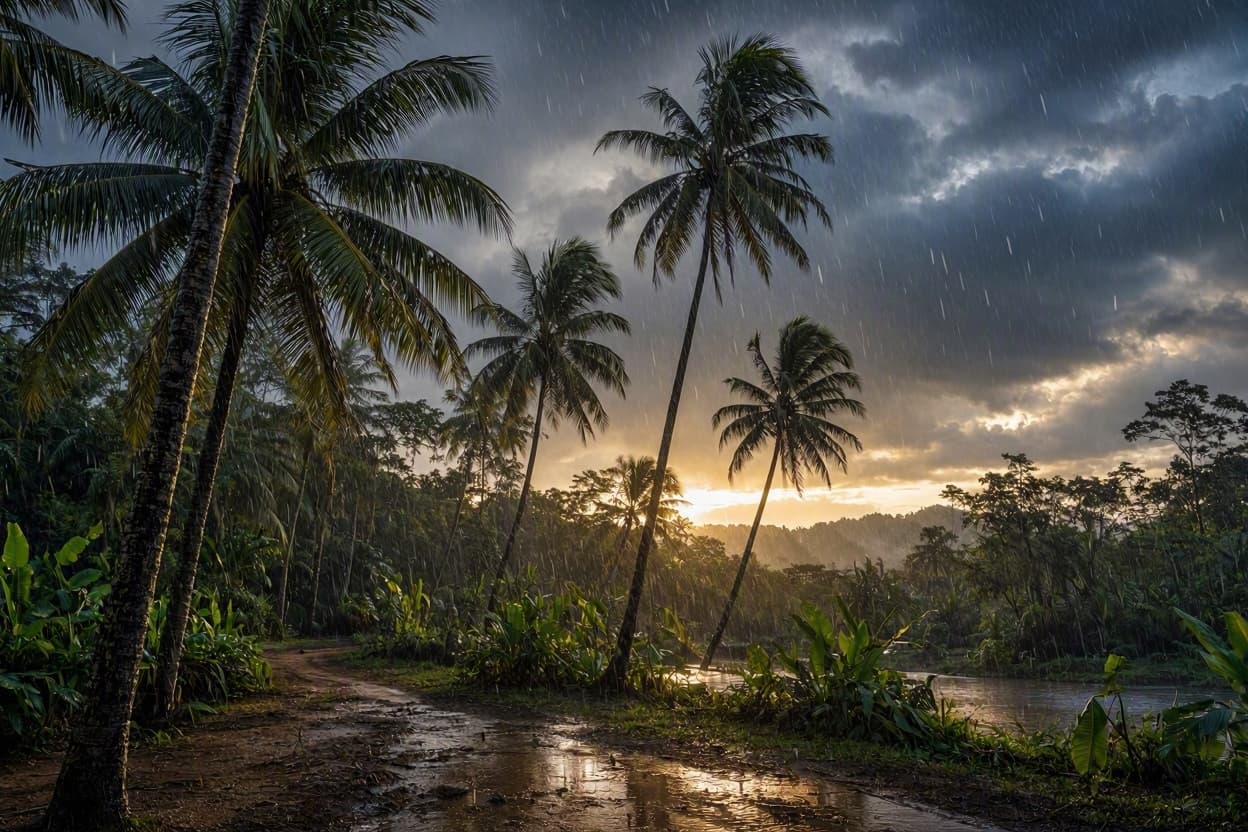
The Hawaiian Islands, still reeling from the devastation of Hurricane Lala, now face a new threat from the skies. Tropical Storm Moke is approaching, carrying with it the promise of heavy rain and gusty winds. For a community already grappling with flooded streets, damaged homes, and disrupted power lines, this latest weather event feels like a cruel twist of fate. It is a test of resilience, demanding that residents find strength in unity as they prepare to weather yet another storm.
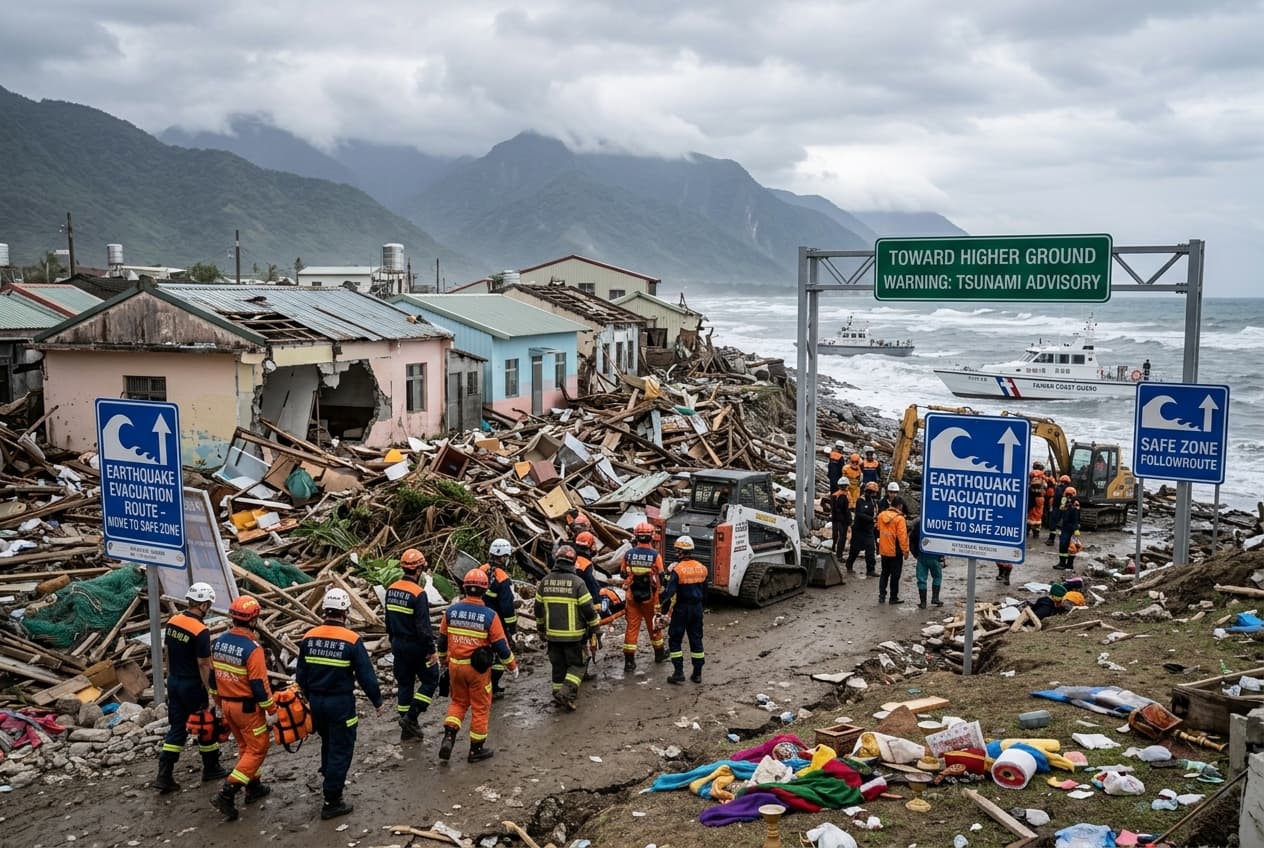
Hurricane Lala left a trail of destruction across the archipelago, particularly on the Big Island, where rainfall exceeded thirty inches in some areas. The ground is saturated, rivers are swollen, and infrastructure is fragile. Into this vulnerable landscape comes Moke, forecast to bring an additional five to ten inches of rain, with localized amounts reaching up to fifteen inches. The risk of flash flooding and landslides is high, posing immediate dangers to life and property.
Emergency management agencies have issued warnings, urging residents to stay indoors and avoid low-lying areas. Evacuation orders are in place for certain zones, and shelters have been opened for those who need them. The response has been swift, drawing on lessons learned from previous disasters. Coordination between local, state, and federal authorities is critical to ensuring that resources are deployed effectively and that help reaches those in need.
For many, the psychological toll is as significant as the physical damage. The constant threat of storms creates a sense of anxiety and fatigue. Community support networks have become lifelines, with neighbors checking on each other and sharing supplies. This spirit of aloha, or mutual care, is a powerful force in times of crisis, providing emotional sustenance alongside material aid.
The economic impact is also considerable. Tourism, a vital part of Hawaii’s economy, has been disrupted, affecting businesses and workers. Recovery efforts are costly, and the additional damage from Moke will strain resources further. Insurance claims are mounting, and government assistance programs are being activated to help alleviate the burden. The path to full recovery will be long and challenging.
Climate scientists note that the intensity and frequency of such storms may be influenced by broader environmental changes. While each event is unique, the pattern of successive storms highlights the need for long-term adaptation strategies. Improving infrastructure, enhancing early warning systems, and protecting natural buffers like wetlands are essential steps in building resilience.
As Moke moves closer, the focus remains on safety and preparedness. Residents are securing their homes, stocking up on essentials, and staying informed through official channels. The collective effort to minimize harm is a testament to the community’s determination to endure and rebuild.
Tropical Storm Moke presents a significant challenge to Hawaii as it continues to recover from Hurricane Lala. The situation demands vigilance and cooperation from all sectors of society. By working together, the islands hope to mitigate the impact of the storm and continue their journey toward restoration and renewal.
AI Image Disclaimer: Visuals accompanying this article are AI-generated illustrations designed to complement the narrative and do not depict real-time events.
Sources: Associated Press CBS News CNN WKYU FM GoHawaii
Published by Banx Network. This article is part of the Banx decentralized media programme, powered by the BXE token on the XRP Ledger.