In the shadow of uncertainty, hope often arrives not with a fanfare but with a quiet release. In Haiti, where the fabric of daily life has been frayed by persistent instability, the liberation of women and children from a violent gang’s grip offers a momentary reprieve. It is a reminder that even in the darkest corners of conflict, humanity can still find a way to assert itself, however fragile that assertion may be.
The mass kidnapping had cast a pall over the community, turning ordinary routines into exercises in caution and fear. Families waited in agonizing silence, their lives suspended between the hope of return and the dread of loss. The release of these vulnerable individuals marks a small but significant victory against the chaos that has long plagued the region.
For the victims, the journey back to safety is likely to be complex and fraught with emotional scars. The trauma of captivity leaves imprints that time alone cannot erase, requiring compassionate support and understanding from their communities. Their return is not just a physical homecoming but a psychological reintegration into a world that must now learn to heal alongside them.
The gangs responsible for such acts operate in a landscape where state authority is often contested or absent. Their power derives from fear, yet their decision to release hostages may signal shifting dynamics or external pressures. Understanding these motivations is crucial for developing strategies that prioritize human safety over mere containment.
Local authorities and international partners have expressed relief at the release, though they acknowledge that the underlying issues remain unresolved. The incident highlights the urgent need for comprehensive security reforms and social programs that address the root causes of violence. Without such measures, cycles of kidnapping and extortion are likely to persist.
Community leaders have played a vital role in negotiating and supporting the families during this ordeal. Their resilience serves as a testament to the strength of social bonds in times of crisis. It is through these local networks that much of the immediate response and recovery effort is coordinated, filling gaps left by formal institutions.
As the released individuals begin to rebuild their lives, the broader society is invited to reflect on the conditions that allow such violence to flourish. The focus must shift from reactive measures to proactive solutions that restore trust and stability. This event, while tragic, underscores the enduring human desire for peace and normalcy.
The release of women and children from a Haitian gang brings relief to affected families, yet it underscores the ongoing security challenges in the nation. Continued efforts toward stability and justice remain essential for long-term peace.
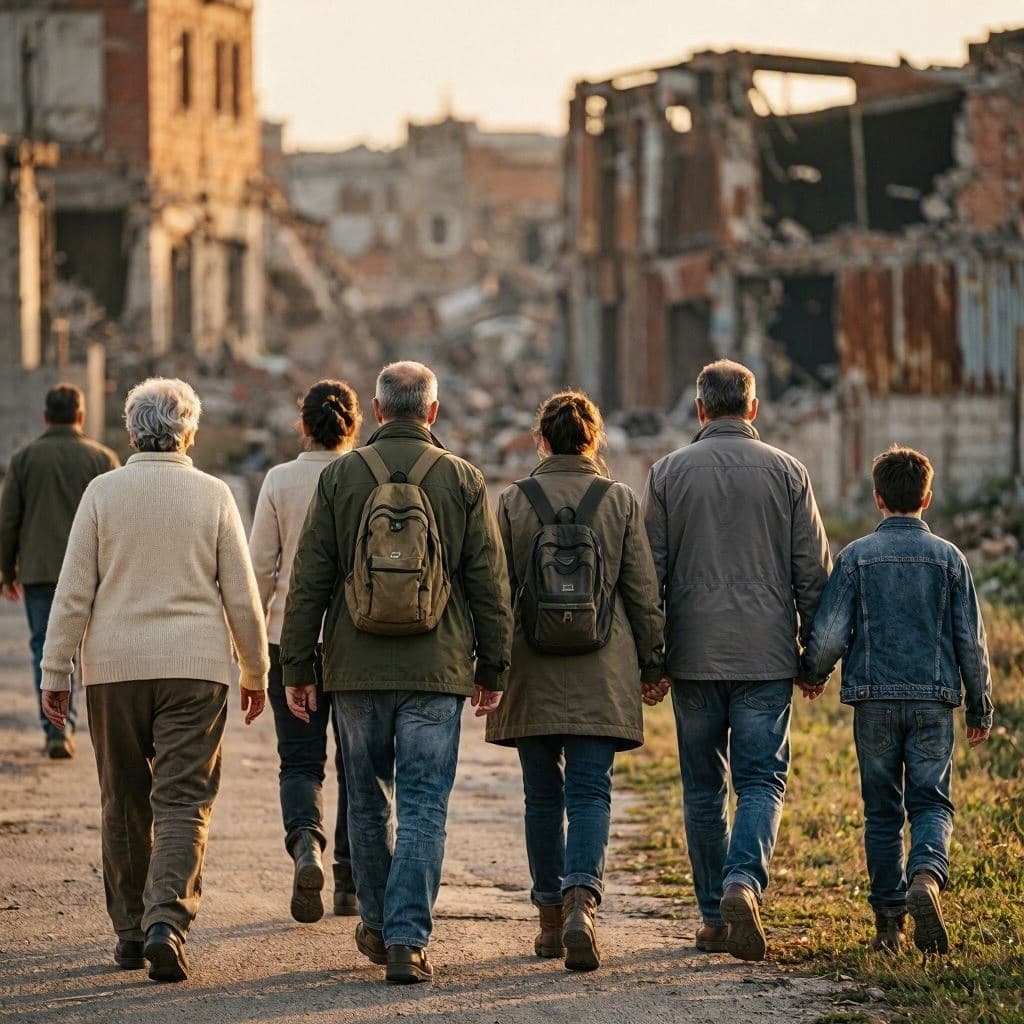
AI Image Disclaimer: Please note that any accompanying visuals for this story are AI-generated representations intended for illustrative purposes only.
Sources: Associated Press Reuters Al Jazeera
Published by Banx Network. This article is part of the Banx decentralized media programme, powered by the BXE token on the XRP Ledger.