Scientific breakthroughs are often remembered as sudden moments of insight. In reality, they usually emerge from years of research, collaboration, and gradual progress. A new study seeks to better understand that process by developing methods capable of identifying fields where major discoveries may be approaching.
Researchers have created analytical tools that use artificial intelligence and network science to examine patterns within scientific literature. By studying how ideas connect and evolve, the system attempts to identify areas with strong potential for future innovation.
The concept is rooted in a simple observation: scientific knowledge grows through relationships among concepts, experiments, and discoveries. When previously separate ideas begin to intersect, opportunities for breakthroughs may increase.
Artificial intelligence provides a way to analyze these connections at a scale impossible for individual researchers. Millions of papers, citations, and research topics can be examined simultaneously to identify emerging trends.
Supporters of the approach believe it could help universities, governments, and research institutions allocate resources more effectively. Identifying promising areas early may support strategic investment in future discoveries.
The methodology does not claim to predict specific inventions or guarantee outcomes. Instead, it seeks to highlight regions of scientific activity where innovation appears statistically more likely.
Researchers caution that scientific progress remains inherently uncertain. Creativity, unexpected observations, and human ingenuity continue to play essential roles that cannot be fully captured by algorithms.
Nevertheless, the growing availability of scientific data has created new opportunities for meta-research—the study of how science itself evolves. Such work can provide valuable insights into the mechanisms of discovery.
As artificial intelligence becomes more deeply integrated into research, tools designed to analyze scientific progress may become increasingly common. Whether forecasting future breakthroughs or identifying emerging disciplines, these methods represent another example of technology helping scientists understand not only the world, but also the process of exploration itself.
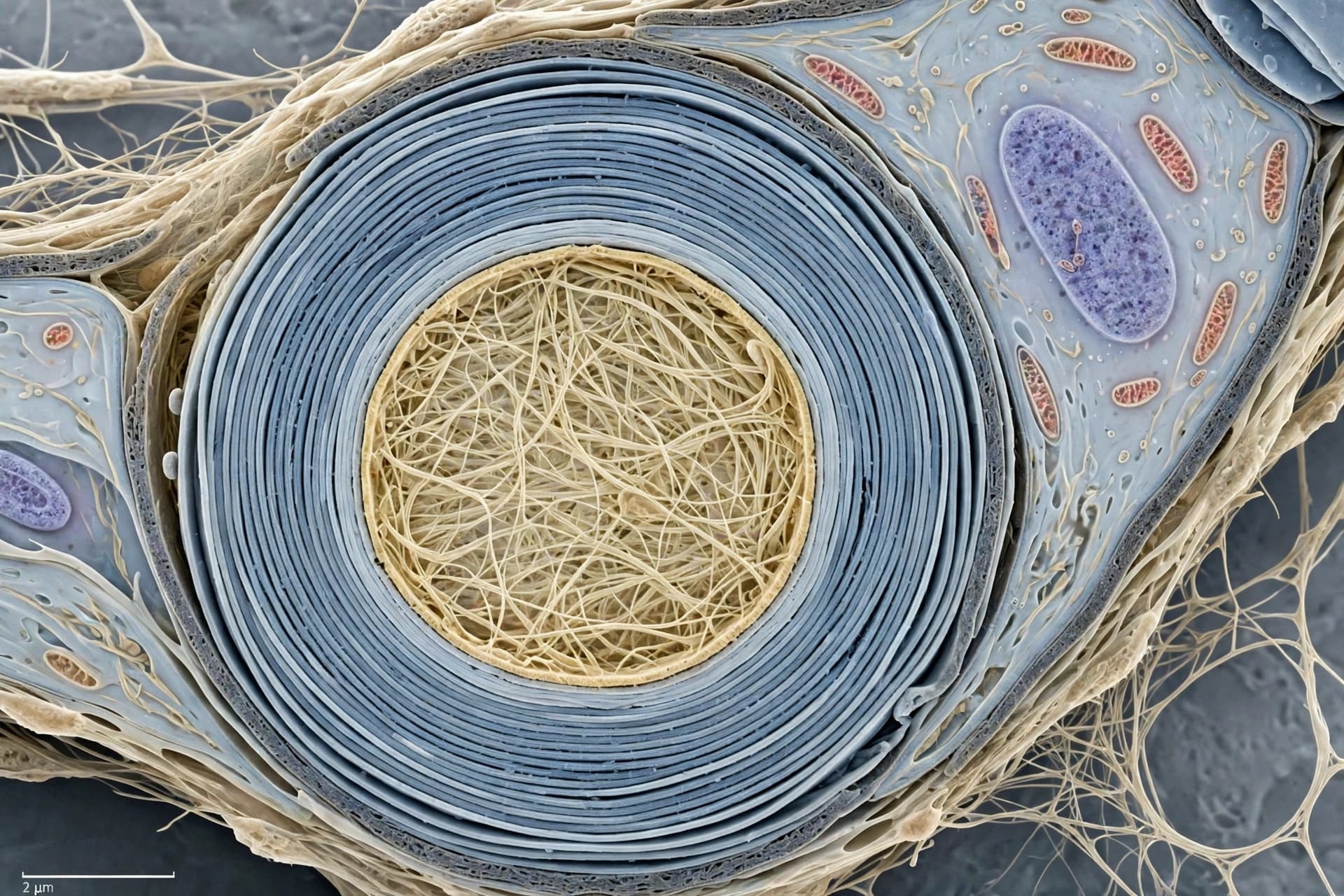
AI Image Disclaimer: The images accompanying this article are AI-generated conceptual illustrations designed to visualize scientific research themes.
Source Verification Check Verified sources:
arXiv Nature Science Magazine MIT Technology Review
Published by Banx Network. This article is part of the Banx decentralized media programme, powered by the BXE token on the XRP Ledger.