As space agencies plan for long-term missions to Mars, scientists are examining how the planet’s challenging environment might be used to humanity’s advantage. New research suggests that the same toxic properties that make Martian soil hazardous to humans could help create stronger construction materials.
Mars’ surface is covered in fine, iron-rich dust known as regolith. The soil also contains compounds such as perchlorates, which are considered toxic and pose risks to human health. While these chemical characteristics complicate habitation plans, researchers are exploring how they may contribute to the structural integrity of building materials made from local resources.
The concept is rooted in in-situ resource utilization — the idea that future missions should rely on materials found on Mars rather than transporting heavy supplies from Earth. Shipping conventional building materials across interplanetary distances would be costly and logistically complex. As a result, scientists have been testing ways to convert Martian regolith into bricks or concrete-like structures.
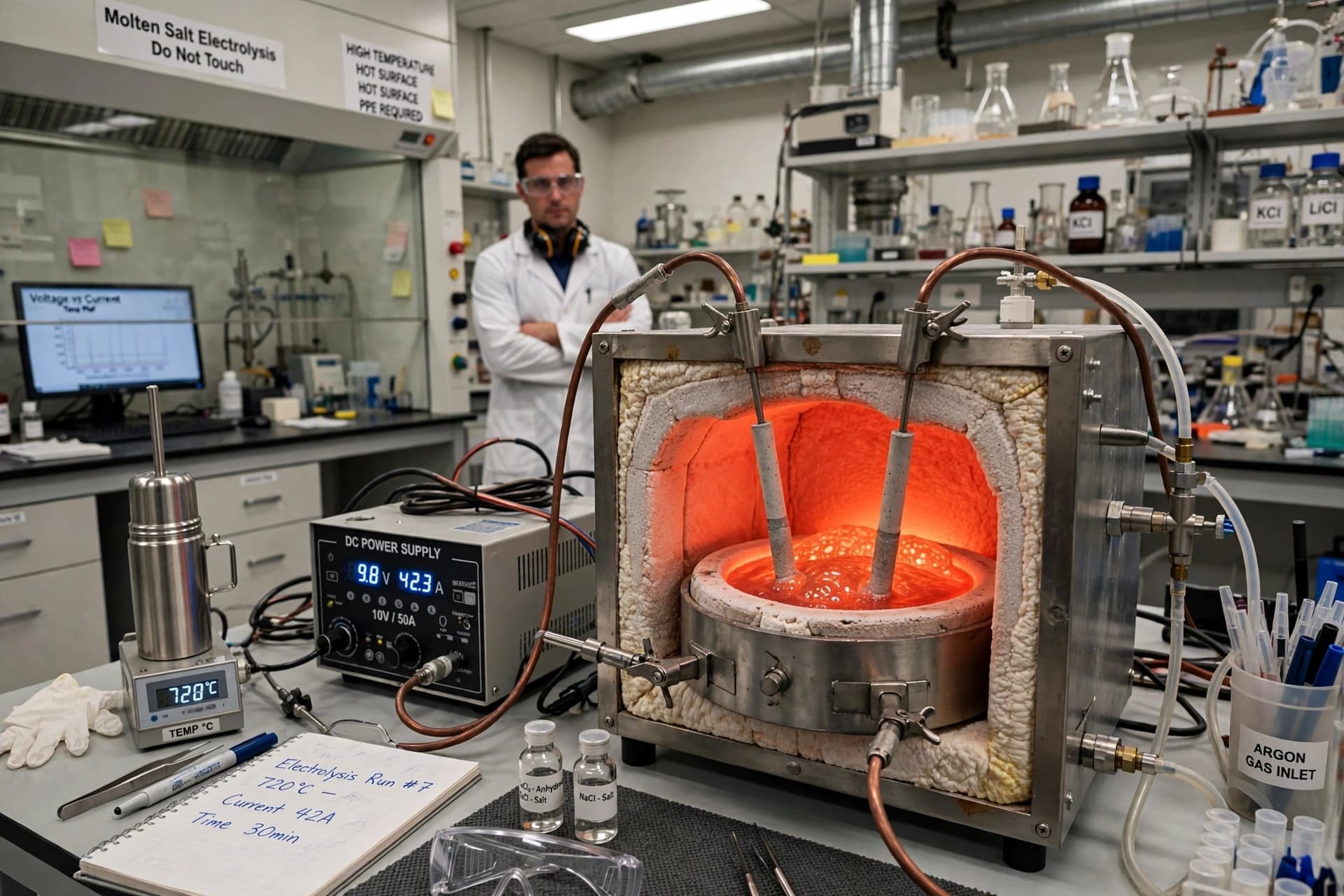
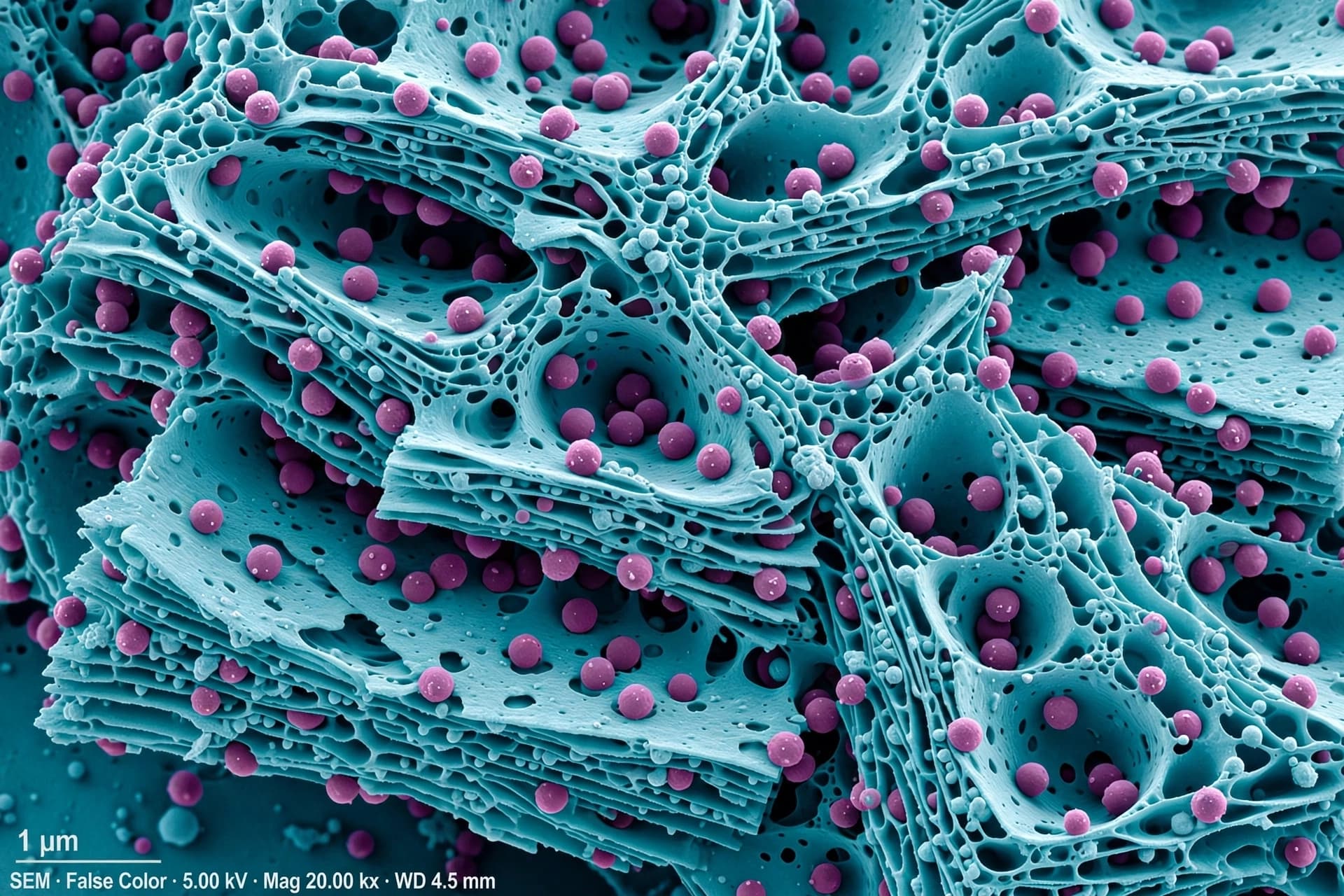
Laboratory simulations using Mars soil analogs have shown that under certain treatments, regolith can bind effectively, forming durable blocks. Some studies indicate that the soil’s chemical composition, including reactive compounds, may assist in strengthening bonds during processing. Techniques under investigation include heat sintering, pressure compaction, and the use of minimal additives to stabilize the material.
Engineers say the goal is to produce structures capable of withstanding extreme temperature swings, radiation exposure, and dust storms. Mars experiences dramatic daily temperature changes, and its thin atmosphere offers little protection from cosmic radiation. Any construction material must therefore be resilient and adaptable to those conditions.
The possibility that so-called “toxic” soil components could contribute to improved brick strength highlights the dual nature of Mars’ environment. What poses a biological hazard may also offer mechanical advantages when properly managed in controlled systems.
NASA and other space agencies have supported experiments in recent years aimed at developing construction methods suitable for Mars and the Moon. Some research teams have demonstrated prototype bricks using simulated regolith, while others have explored 3D printing technologies that layer processed soil into building forms.
Significant challenges remain before such techniques can be deployed on Mars. Human safety concerns related to dust exposure, long-term material performance, and energy requirements for processing must be carefully evaluated. However, the growing body of research suggests that the planet’s surface materials could play a central role in future habitation efforts.
As planning for crewed missions continues, the idea of transforming Mars’ harsh soil into functional infrastructure underscores a broader principle of space exploration: survival may depend not on eliminating environmental obstacles, but on learning how to work with them.
Published by Banx Network. This article is part of the Banx decentralized media programme, powered by the BXE token on the XRP Ledger.