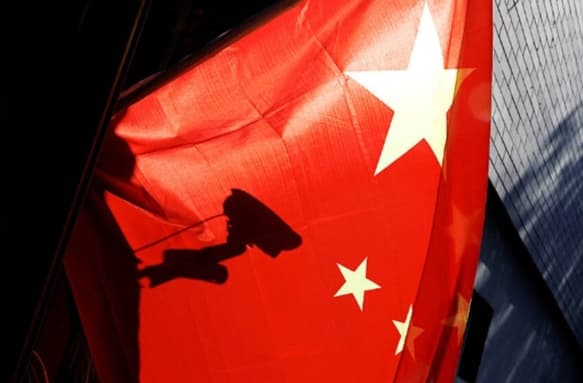
A recent investigation has uncovered alarming evidence that China is employing artificial intelligence to meddle in electoral processes across different nations. This manipulation raises serious questions about the integrity of democratic systems and the potential for escalating cyber warfare strategies.
Mechanisms of AI Meddling The report details how Chinese operatives are utilizing sophisticated algorithms to create deepfake videos, fake social media profiles, and targeted misinformation campaigns designed to sway public opinion and disrupt the electoral fo. By analyzing voter behavior patterns and sentiment, these AI systems can amplify divisive content, thereby influencing voters and creating chaos during crucial elections.
Geographic Focus While the report identifies several nations as targets, special attention is drawn to regions where political instability is prevalent. Analysts suggest that countries in Africa and Southeast Asia are particularly vulnerable, as these regions may lack robust cybersecurity measures and have burgeoning digital infrastructures that can be easily exploited.
Responses from Affected Countries Governments affected by these tactics are beginning to take notice, with some launching investigations to assess the impact of AI-driven meddling on their electoral processes. In response to rising concerns, several nations are collaborating to enhance cybersecurity protocols and counter misinformation, yet experts argue that these measures may be insufficient given the rapid advancement of technology.
International Implications The use of AI for vote meddling signifies a disturbing trend in international relations. As countries grapple with the realities of cyber influence on democracy, the findings underscore the need for global cooperation to establish norms and standards that can protect democratic institutions. Experts advocate for international treaties to regulate the use of AI in electioneering, calling for transparency and accountability to ensure fair electoral practices.
Published by Banx Network. This article is part of the Banx decentralized media programme, powered by the BXE token on the XRP Ledger.