There is a rhythm to immunity, much like the turning of seasons. Protection rises, softens, and sometimes needs renewal. In the long arc of the COVID-19 pandemic, booster shots have emerged not as dramatic reinventions, but as careful reinforcements — a reminder that defense, too, requires tending.
A new study has found that COVID-19 booster shots significantly reduce the risk of death from the virus, reinforcing earlier evidence that updated doses help restore waning immunity. The findings arrive as public health authorities continue to evaluate vaccination strategies in a landscape where variants evolve and population immunity shifts over time.
From the earliest vaccine rollouts, primary doses were shown to reduce severe illness, hospitalization, and mortality. Yet months after initial vaccination, researchers observed a gradual decline in antibody levels, particularly among older adults and individuals with underlying health conditions. Booster shots were introduced to strengthen immune response, especially as more transmissible variants circulated globally.
The recent study analyzed large-scale health data, comparing outcomes among individuals who received booster doses with those who completed only the primary vaccination series. After adjusting for age, comorbidities, and prior infection history, researchers reported a meaningful reduction in COVID-19-related deaths among those who had received booster shots. The protective effect was particularly pronounced in older populations and those at higher clinical risk.
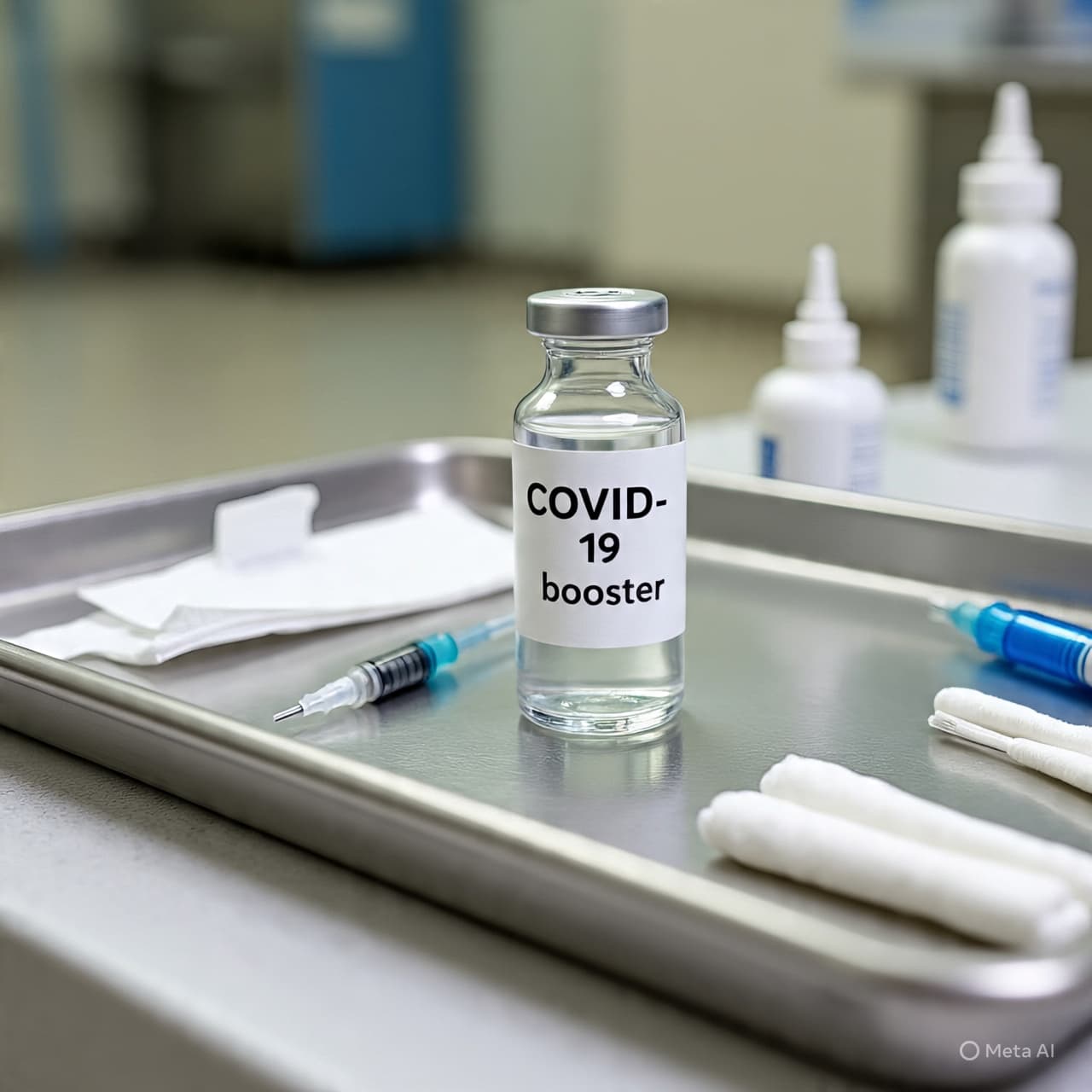
Scientists explain that booster doses re-stimulate the immune system, increasing antibody concentrations and enhancing memory B-cell and T-cell responses. This layered immunity can improve the body’s ability to respond quickly and effectively to infection, reducing the likelihood that illness progresses to severe stages.
The study’s findings align with earlier analyses from multiple countries that observed lower mortality rates in boosted populations during subsequent waves of infection. While the magnitude of protection may vary depending on circulating variants and timing since vaccination, the overall trend supports booster campaigns as a tool for sustaining population-level protection.
At the same time, experts emphasize that vaccines are one component of a broader public health strategy. Antiviral treatments, testing access, and targeted protections for vulnerable groups continue to play essential roles. Booster policies also differ across regions, reflecting variations in vaccine supply, demographic structure, and healthcare capacity.
Public health agencies have generally recommended booster doses for older adults, immunocompromised individuals, and, in many cases, the broader adult population. As COVID-19 transitions from global emergency to managed endemic disease in many countries, booster programs are being integrated into routine seasonal vaccination strategies, similar to influenza campaigns.
Researchers continue to monitor long-term effectiveness and evaluate updated vaccine formulations tailored to emerging variants. Ongoing data collection remains critical to understanding how frequently boosters may be needed and which populations benefit most.
In straightforward terms, the study concludes that COVID-19 booster shots are associated with a reduced risk of death compared with primary vaccination alone. Health authorities are expected to consider these findings as they refine vaccination guidance in the months ahead.
AI Image Disclaimer: Visuals are created with AI tools and are not real photographs.
Source Check:
Reuters The New York Times BBC The Guardian The Lancet
Published by Banx Network. This article is part of the Banx decentralized media programme, powered by the BXE token on the XRP Ledger.