In the quiet streets of Dera Ismail Khan, a city in northwestern Pakistan, the rhythm of daily life was shattered by a sudden act of violence. A suicide bombing targeted a security checkpoint, leaving behind a trail of grief and uncertainty. Such incidents, though tragically familiar in the region, serve as stark reminders of the enduring challenges to peace and stability in areas grappling with insurgency and political tension.
The attack occurred at a roadside police post, where security personnel were conducting routine checks. An explosive-laden vehicle rammed into the checkpoint before detonating, causing significant casualties among both soldiers and civilians. Initial reports indicate that at least 12 people lost their lives, with dozens more injured, highlighting the devastating impact of such coordinated assaults.
Dera Ismail Khan, located in the Khyber Pakhtunkhwa province, has long been a focal point for militant activity. Its proximity to the border with Afghanistan makes it a strategic location for various armed groups. Despite ongoing military operations and counter-terrorism efforts, the region remains vulnerable to attacks that aim to destabilize local governance and instill fear in the population.
The responsibility for the attack has not yet been clearly claimed, but suspicion often falls on militant factions linked to broader regional conflicts. These groups exploit local grievances and weak infrastructure to carry out operations that challenge the state’s authority. The cycle of violence perpetuates a sense of insecurity that affects every aspect of community life, from education to commerce.
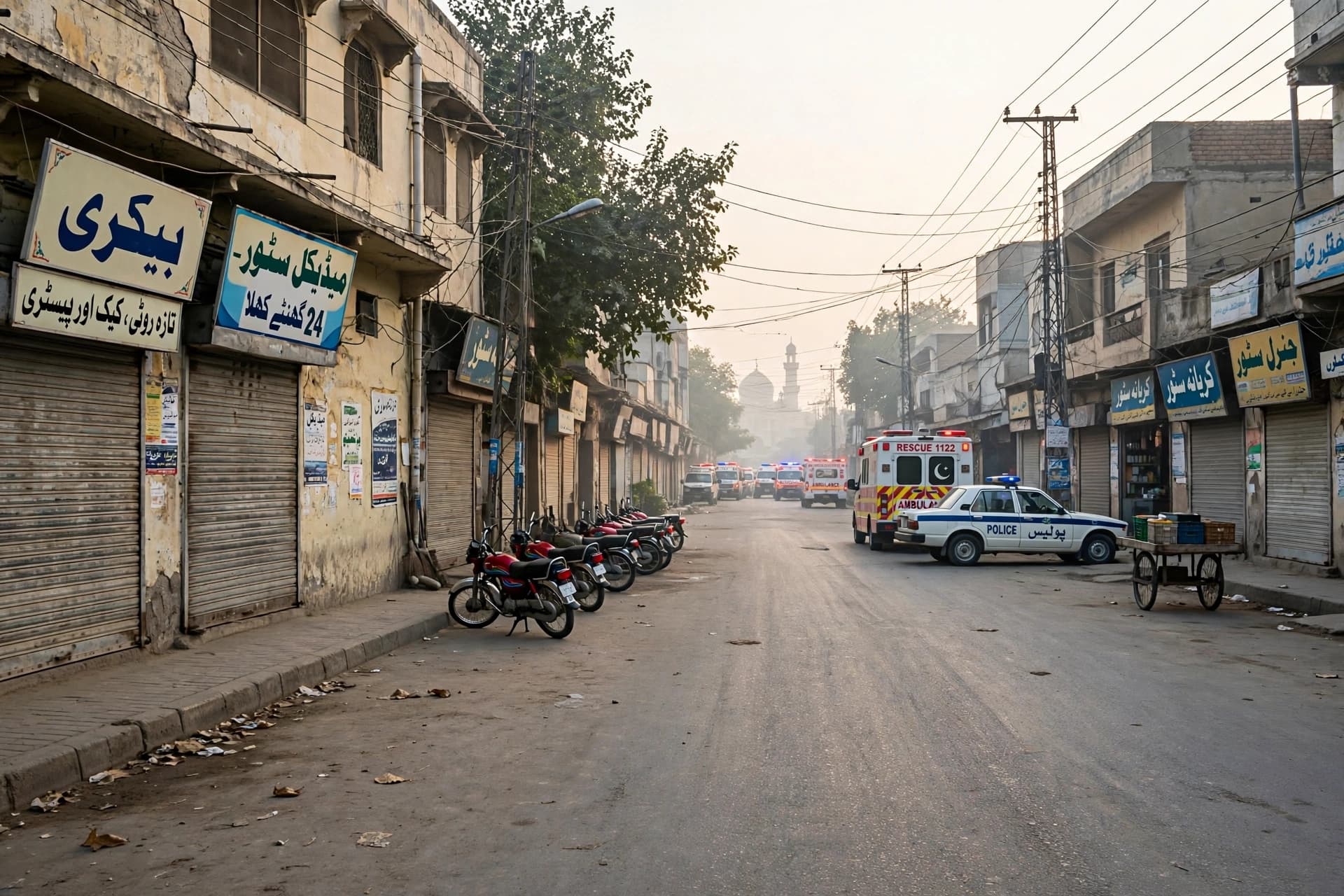
Local authorities responded quickly, securing the area and providing medical assistance to the wounded. Hospitals in the vicinity were placed on high alert, treating victims with urgency and care. The resilience of the medical staff and emergency responders is a testament to the community’s ability to cope with recurring crises, even as they mourn the loss of loved ones.
For the families of the victims, the tragedy is personal and profound. Each name on the list of casualties represents a story interrupted, a future unfulfilled. Community leaders have called for unity and patience, urging residents to remain steadfast in the face of adversity. Such calls for solidarity are essential in maintaining social cohesion during times of distress.
The incident also draws attention to the broader security dynamics in South Asia. As neighboring countries navigate their own political transitions, the spillover effects can exacerbate local tensions. International observers continue to monitor the situation, emphasizing the need for comprehensive strategies that address both security and socio-economic development.
As Dera Ismail Khan begins to heal from this latest wound, the focus turns to justice and prevention. The path forward requires not only robust security measures but also efforts to address the underlying causes of extremism. In the midst of sorrow, the community’s resilience offers a glimmer of hope for a more stable future.
AI Image Disclaimer: Images accompanying this text are AI-generated symbolic representations of mourning and emergency response, not actual photographs from the scene of the incident.
Sources: Reuters Al Jazeera Associated Press The Express Tribune Dawn
Published by Banx Network. This article is part of the Banx decentralized media programme, powered by the BXE token on the XRP Ledger.