
Key Highlights
- Budget Allocation:Indonesia allocates Rp 100 billion for Eid al-Adha qurban.
- Community Impact:Program aims to support local mosques and communities.
- National Significance:Eid al-Adha is a major religious observance in Indonesia.
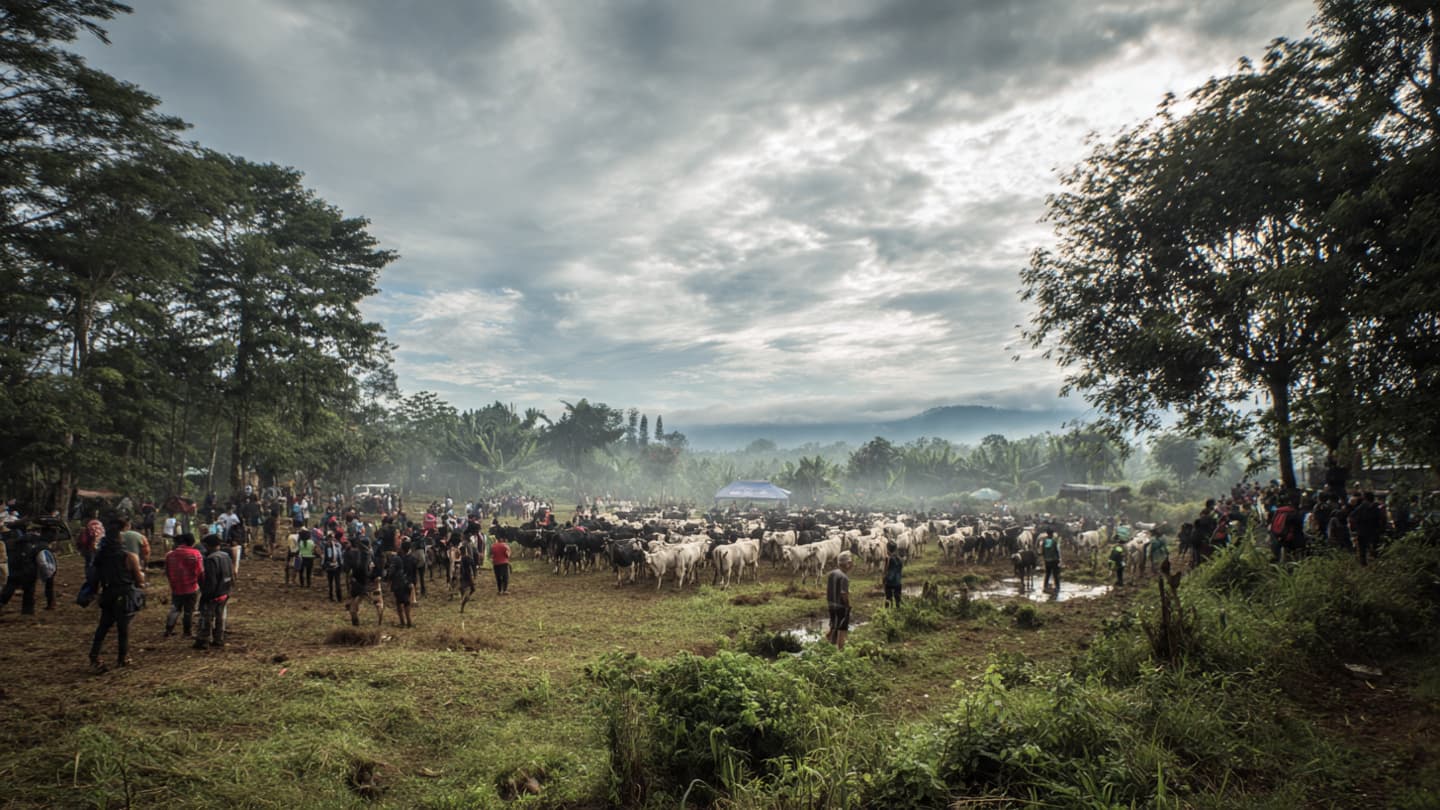
The intersection of religious traditions and state involvement is vividly illustrated during Eid al-Adha, a significant celebration in Indonesia. This year, the Indonesian government has announced a substantial budget allocation of Rp 100 billion for the distribution of sacrificial cattle, known as qurban, as part of President Prabowo’s presidential assistance program. This initiative not only underscores the ceremonial aspects of the holiday but also highlights the government's role in fostering community solidarity and welfare.
Eid al-Adha, celebrated by millions across Indonesia, involves communal prayers and the distribution of meat to those in need. The sacrificial animals serve as more than mere offerings; they symbolize charity, collective participation, and social responsibility. The recent budget allocation aims to enhance the reach of these traditions, ensuring that the benefits of the qurban program extend to various regions, particularly to mosques and local communities.
The announcement from the Presidential Palace has sparked discussions about the scale and effectiveness of the qurban distribution process. Officials have clarified that the funding is part of broader social assistance efforts linked to religious observances. The sacrificial cattle provided through this initiative are intended to support community welfare, particularly during significant religious events like Eid al-Adha.
Historically, government involvement in qurban assistance programs has been viewed through both social and political lenses. Observers note that such initiatives often carry implications for national leadership, as they reflect the government's commitment to addressing community needs during major holidays. The allocation of Rp 100 billion is seen as a strategic move to reinforce public engagement and demonstrate the state’s role in facilitating religious observances.
As preparations for Eid al-Adha unfold, logistical coordination between regional authorities and relevant institutions will be crucial to ensure that the assistance reaches the intended beneficiaries effectively. The implementation process is expected to involve careful planning to maximize the impact of the program, which aims to blend ceremonial traditions with practical community support.
In conclusion, the government's allocation for qurban assistance not only highlights the importance of religious traditions in Indonesia but also emphasizes the role of state support in enhancing community welfare. As Eid al-Adha approaches, the significance of this initiative will likely resonate across the nation, reinforcing the connection between faith, tradition, and social responsibility.
Published by Banx Network. This article is part of the Banx decentralized media programme, powered by the BXE token on the XRP Ledger.



