Diplomacy in the Middle East often unfolds like a careful balancing act performed above shifting ground. During moments of regional tension, communication between neighboring governments can become as important as military preparedness itself. In recent days, Qatar has stepped into that delicate space, moving quickly to encourage coordination among key regional actors.
Qatar reportedly contacted Saudi Arabia, Turkey, and Jordan to discuss the growing crisis involving Iran and the United States. The diplomatic outreach reflects increasing concern across the region over the possibility of broader instability if tensions between Tehran and Washington continue escalating.
According to regional reports, discussions focused on regional security, de-escalation efforts, and the importance of maintaining communication channels among Middle Eastern governments. Officials involved in the talks reportedly emphasized the need to avoid actions that could intensify military confrontation.
Qatar has frequently positioned itself as a diplomatic intermediary in regional disputes, maintaining relationships with multiple governments across differing political alignments. Analysts note that Doha’s approach often centers on dialogue and mediation during periods of geopolitical strain.
Saudi Arabia, Turkey, and Jordan also hold significant strategic roles in the Middle East, making coordination among them particularly important during moments of uncertainty. Regional stability concerns extend beyond politics alone, affecting trade routes, energy markets, and humanitarian conditions.
Observers say Middle Eastern governments remain deeply aware of how quickly regional crises can spread across borders. Even limited escalation between major powers can influence migration, commerce, security arrangements, and public sentiment throughout neighboring countries.
Diplomatic efforts by regional actors are continuing alongside broader international calls for restraint. Several global powers and international organizations have encouraged negotiations aimed at reducing tensions and preserving stability in the Gulf region.
Experts caution that while diplomacy does not always produce immediate breakthroughs, maintaining open communication remains essential in preventing miscalculation. In volatile political environments, sustained dialogue can itself become a stabilizing force.
Qatar’s outreach to regional partners highlights the continuing role of diplomacy in addressing geopolitical crises, particularly in a region where political tensions often carry global economic and security consequences.
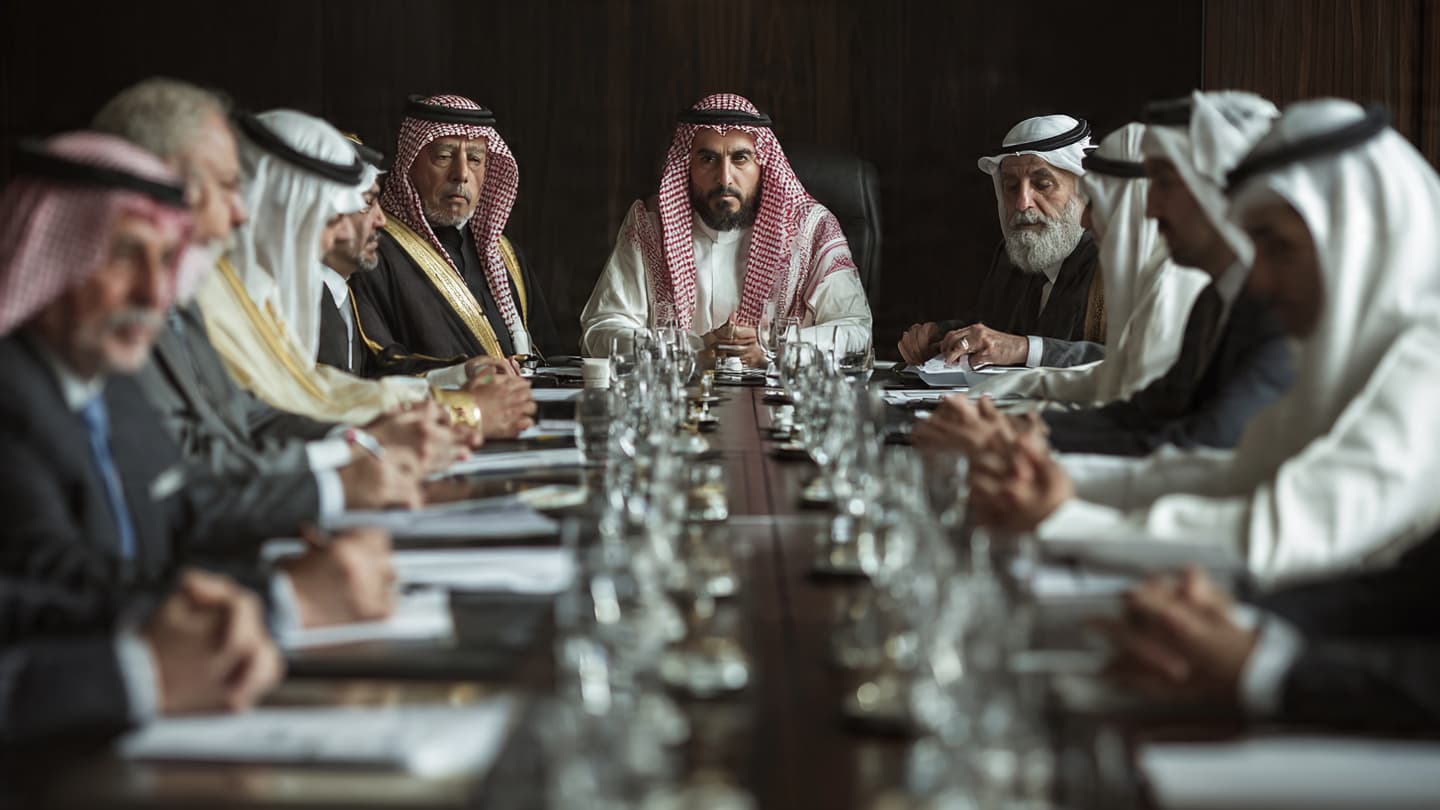
The images featured in this article are AI-generated illustrations designed to visually represent diplomatic engagement and regional dialogue.
Sources: Reuters, Al Jazeera, Associated Press, Bloomberg
Published by Banx Network. This article is part of the Banx decentralized media programme, powered by the BXE token on the XRP Ledger.

.jpg&w=3840&q=75 "Blake Lively Awarded $400,000 in Legal Fees After Justin Baldoni Lawsuit Dismissed")