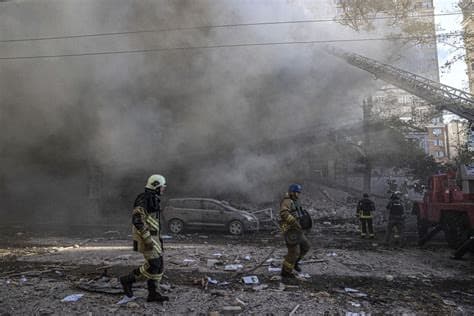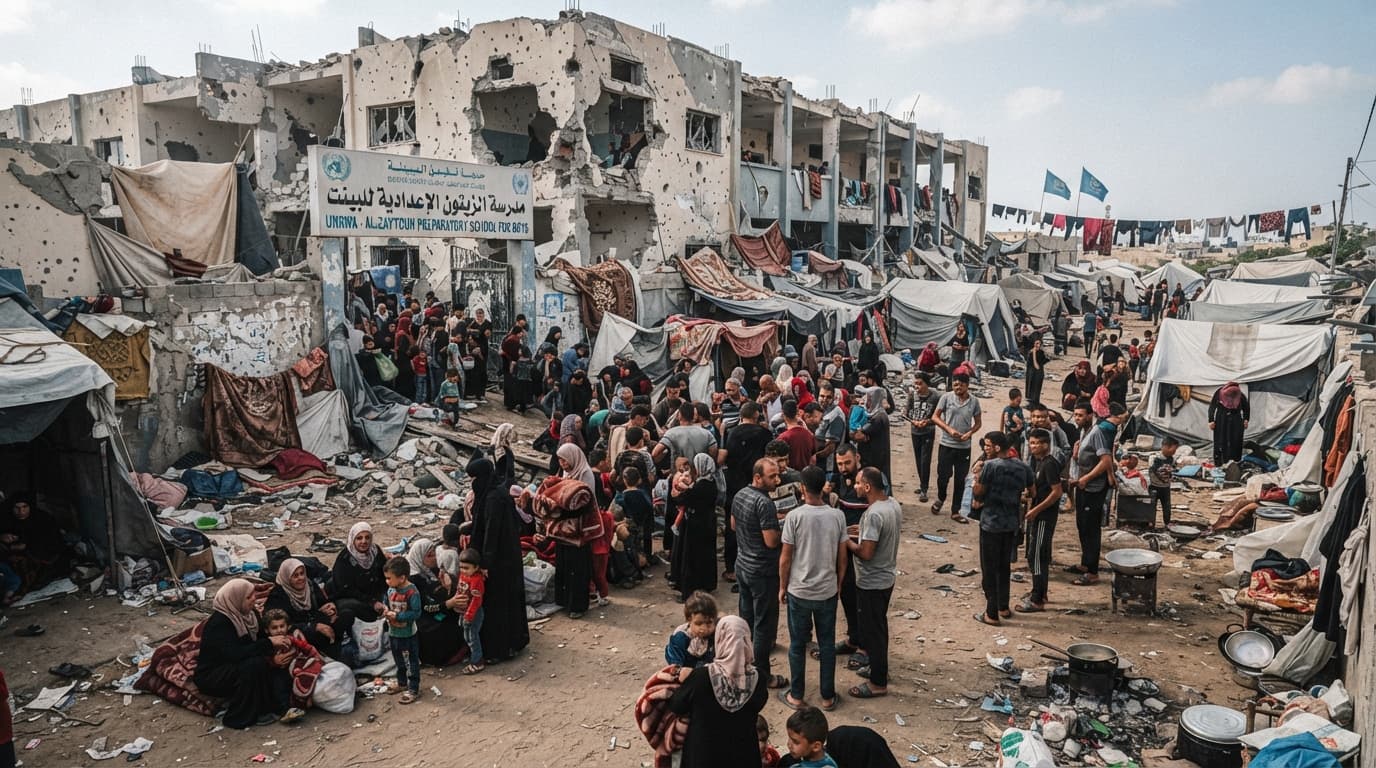
Gaza City, Gaza—An Israeli airstrike struck a crowded refugee shelter in the central sector of the Gaza Strip on Sunday, resulting in multiple casualties and widespread panic among displaced families. The targeted facility, a converted school building housing hundreds of displaced individuals, sustained a direct hit that obliterated its central courtyard and eastern wing. Eyewitnesses reported that the blast occurred without advance warning, sending shockwaves through neighboring alleyways packed with makeshift tents. Dust and debris blanketed the surrounding blocks as dazed survivors emerged from the wreckage to search for missing family members.
Civil defense crews arrived at the compound on foot and with light utility vehicles, hindered heavily by cratered roads and a severe shortage of heavy fuel. Rescuers used hand tools and bare hands to claw through collapsed corrugated tin roofs and shattered concrete beams in search of trapped victims. Local medical volunteers established makeshift bandage stations directly outside the perimeter to treat the steady stream of bleeding patients carried out from the dust.
"We pulled children and elderly individuals out from underneath thick concrete slabs long after the warplanes cleared the airspace," stated field medic Ahmed Al-Masri at the devastated compound. "Our medical supplies ran dangerously low within the first twenty minutes of receiving the injured."
Ambulances shuttled back and forth between the ruined shelter and overburdened regional hospitals that are already facing critical shortages of surgical supplies and anesthetics. Hospital corridors filled quickly with weeping relatives, severe trauma cases, and patients lying directly on floors due to a complete lack of available beds. Administrative staff at the medical facilities issued urgent appeals for international blood donations and medical delegations to help manage the influx.
Displaced families who had sought refuge inside the school for months scrambled to salvage whatever belongings remained unburned in the aftermath of the blast. Many gathered their children and marched down choked coastal roads toward unknown destinations, carrying bundles of clothes and mattresses on their shoulders. International aid coordinators on the ground noted that the facility was formally designated as a humanitarian shelter, compounding the operational difficulties of delivering basic relief supplies.
Engineers from municipal utility boards worked near the blast site to isolate broken water mains that were flooding nearby pedestrian pathways with thousands of liters of clean water. Security monitors observed intermittent drone activity hovering high above the strike zone as rescue operations continued through changing afternoon light.
Regional authorities documented the structural destruction of the facility while international observers called for immediate independent access to investigate the incident. The local emergency committee confirmed that the final death toll remains fluid as identification processes proceed inside hospital morgues. Heavy earth-moving machinery has yet to reach the site due to ongoing security restrictions, leaving manual labor as the sole means of clearing the inner rooms.
Published by Banx Network. This article is part of the Banx decentralized media programme, powered by the BXE token on the XRP Ledger.