
January 26 has long been a date of reflection, celebration, and conversation — a day that carries the weight of history, both proud and painful, across the vast landscapes of Australia. This year, however, the national calendar faces a new tension. Anti-immigration groups are planning rallies on the same day, signaling a clash of voices in the public square that some experts say is unprecedented. For communities observing Invasion Day and Survival Day commemorations, the coming days are a reminder that public memory is never neutral, and civic spaces are always contested.
Authorities are preparing for a delicate balancing act. In Sydney, NSW police have scaled back certain protest bans, allowing both Indigenous-led marches and anti-immigration rallies to proceed, albeit in carefully designated areas. The challenge is not just logistical but symbolic: how to allow lawful protest while ensuring that historical commemoration and cultural expression are respected. Organisers of the anti-immigration rallies have framed their demonstrations as a critique of immigration policies and broader national debates, seeking attention on a day already charged with meaning.
For Indigenous communities and allies, January 26 remains a day of solemn remembrance, cultural ceremonies, and public education. Their marches and events serve as both a call for recognition of historical injustices and a celebration of resilience. Experts warn that the intersection of these movements — one focused on historical reckoning, the other on contemporary political grievances — could create unpredictable dynamics in public spaces.
Across the nation, from Melbourne to Perth, communities are preparing. Streets and public squares will host ceremonies, speeches, and gatherings, all under the watchful eye of police tasked with maintaining safety. Yet beyond logistics, the moment reflects a broader societal dialogue: about national identity, the inclusiveness of public narratives, and the role of protest in shaping collective memory. In the coming hours, January 26 will be both a mirror and a lens — reflecting the complexities of modern Australia and the conversations we continue to have about who we are and what we commemorate.
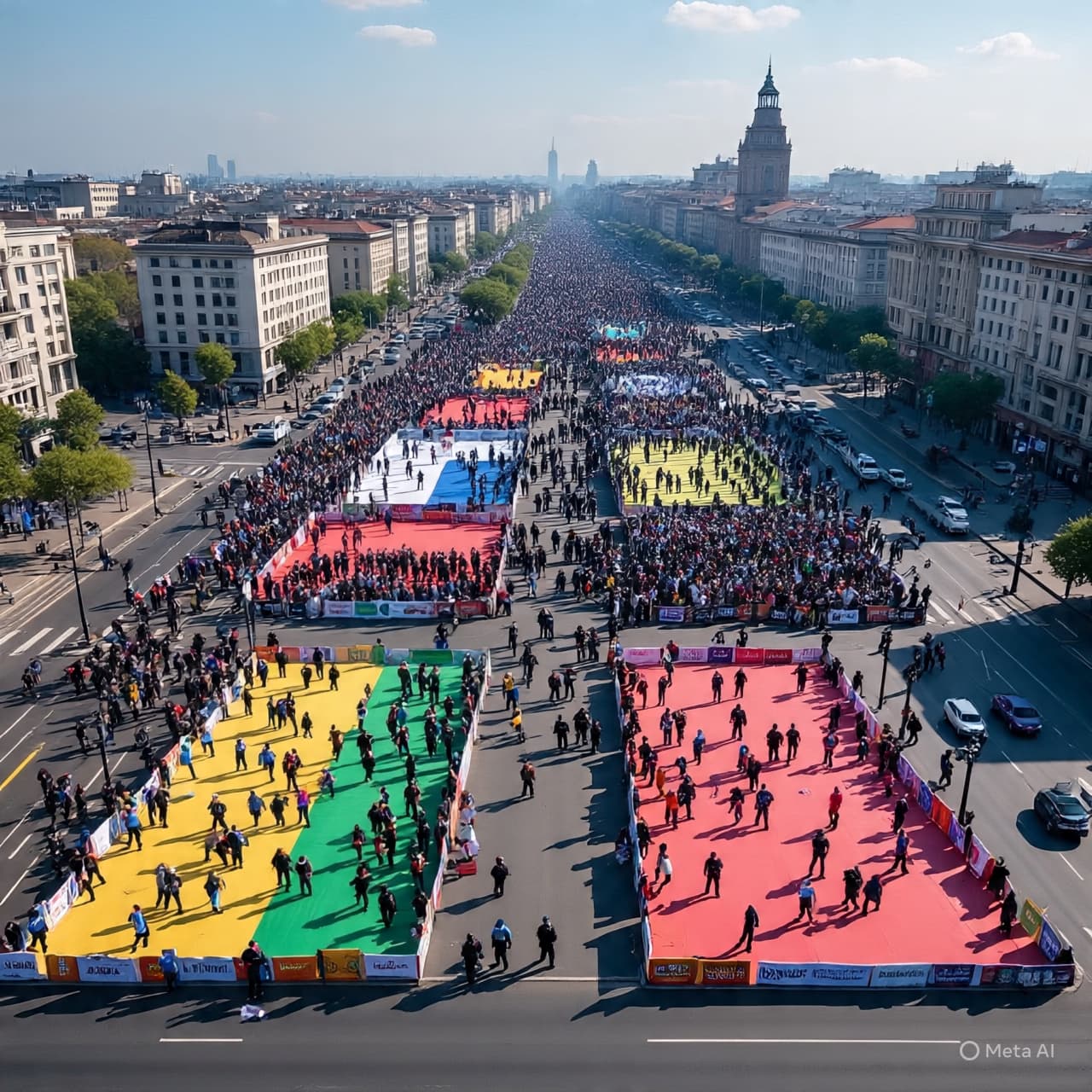
AI Image Disclaimer “Images in this article are AI-generated illustrations, meant for concept only.”
Sources Canberra Times ABC News The Guardian
Published by Banx Network. This article is part of the Banx decentralized media programme, powered by the BXE token on the XRP Ledger.


