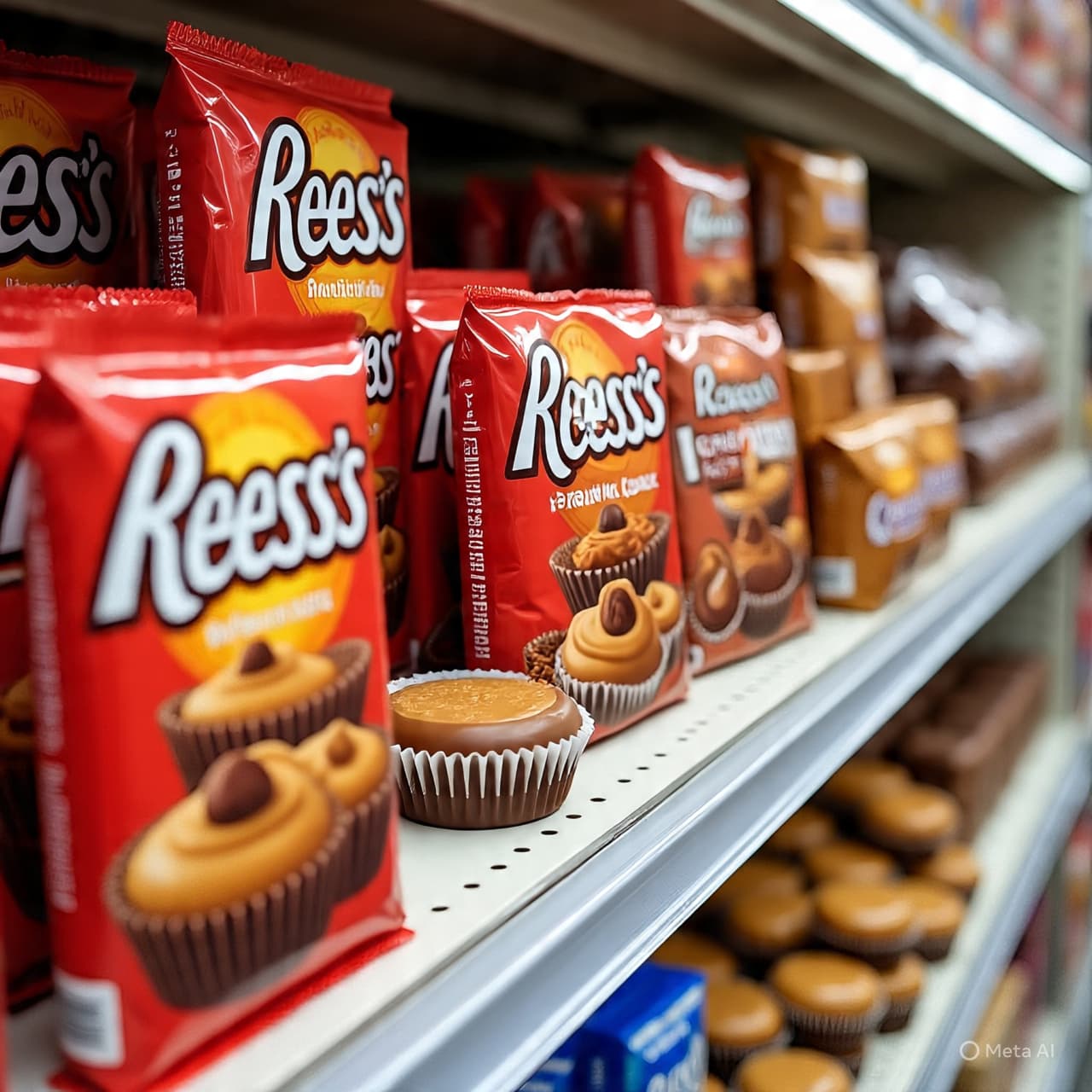
For generations, Reese’s has been defined by a familiar combination: peanut butter and milk chocolate, bound together in a formula that has become one of the most recognizable flavors in American candy culture. But recent changes to some Reese’s treats are quietly altering that balance, replacing traditional milk chocolate with alternative coatings and ingredients—an evolution that is drawing attention from longtime fans and brand loyalists alike.
The changes reflect broader shifts in the food industry, where companies are increasingly experimenting with recipes to meet changing consumer preferences, dietary trends, and market demands. Darker chocolates, flavored coatings, and non-traditional formulations have become more common as brands look to expand their reach and diversify their product lines.
For Reese’s, the move represents a careful balancing act between innovation and identity. While new variations can attract new customers and keep a brand feeling fresh, they also risk disrupting the sense of familiarity that has made certain products iconic. The Reese’s name is closely tied to a specific taste profile, and any departure from that formula inevitably invites comparison to the original.
Brand heritage plays a powerful role in consumer trust. Iconic products often carry emotional meaning that goes beyond flavor alone, tied to memory, routine, and nostalgia. Changes to core elements—even in limited product lines—can feel symbolic, raising questions about whether innovation is enhancing a legacy or gradually reshaping it.
At the same time, the candy industry has long relied on variation as a growth strategy. Seasonal editions, limited releases, and experimental flavors allow companies to test new ideas without abandoning their flagship products. In that sense, these changes do not necessarily signal a rejection of tradition, but rather an attempt to explore new spaces while keeping the original intact.
Whether these milk chocolate-free versions become a lasting part of the Reese’s lineup or remain niche offerings will depend on consumer response. For now, the shift highlights a familiar tension in modern branding: the desire to evolve without losing the core identity that made a product successful in the first place.
AI Image Disclaimer
This image was generated using artificial intelligence and is intended for illustrative purposes only.
Sources
Reuters Associated Press Bloomberg The New York Times CNBC
Published by Banx Network. This article is part of the Banx decentralized media programme, powered by the BXE token on the XRP Ledger.