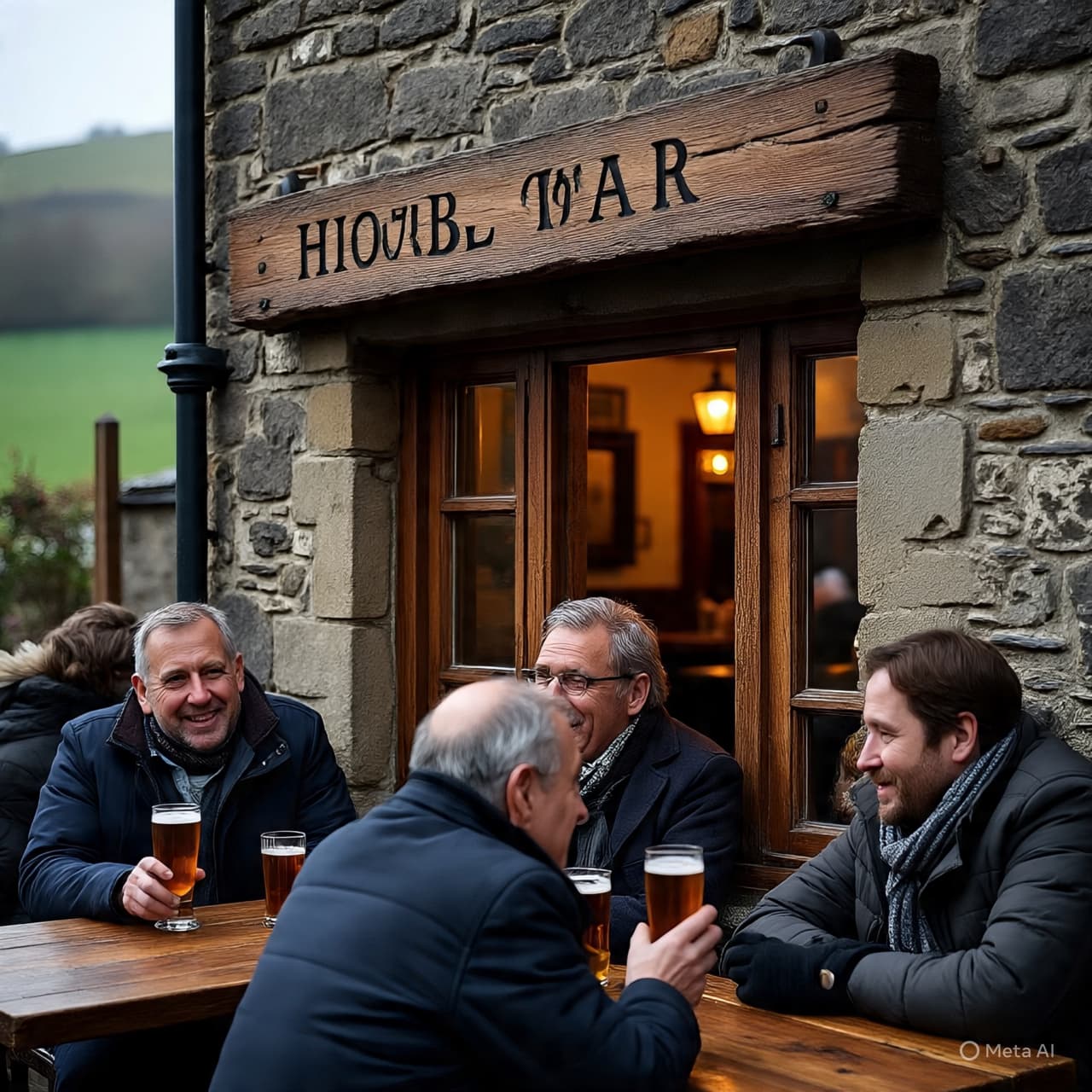
There’s a curious rhythm to British political life: one day it’s heat, dust and data in the Treasury, the next it’s the rumble of anxious landlords and campaigners on the high street. In recent weeks that murmur grew louder as sharp increases in business rates — especially for pubs — threatened a rare clash within the governing Labour Party, until Chancellor Rachel Reeves signalled she would soften the impact of the tax changes, averting a potential rebellion by Labour MPs and easing pressure on one of the nation’s most cherished institutions.
At the heart of the controversy lies a reform first unveiled in the 2025 Autumn Budget, which reshaped how business rates — the commercial property tax that pubs, shops and hotels pay — are calculated. While the Treasury said the system would deliver some of the lowest rates since the early 1990s, the reality for many operators was starkly different: rateable values surged, withdrawal of pandemic‑era reliefs cut support, and pub bills were projected to jump sharply in 2026. Analysis showed that 87.6 % of pubs would see their rateable values rise, leading in many cases to bill increases averaging tens of thousands of pounds once transitional relief faded.
That looming squeeze prompted vociferous alarm from industry groups like the British Beer and Pub Association, hospitality bosses and a string of Labour backbenchers, who warned the tax burden could push pubs — often family‑run hubs of community life — toward closure. Several MPs voiced deep concern that the policy contradicted Labour’s traditional support for local businesses and jobs, pressuring the Treasury to rethink its stance.
Into that swell of opposition, Ms Reeves began quietly exploring a support package tailored for pubs, which could limit or soften the planned rises and, according to media reports, include extra relief measures and even regulatory tweaks to help landlords survive the post‑Covid landscape. Government sources say these plans are intended to “recognise issues with how business rates are collated” and to protect vital community venues.
The move is significant for Labour. Pubs don’t just contribute to hospitality figures; they anchor social life in towns and cities across the UK. Faced with shops banning Labour MPs and grassroots disquiet, ministers feared that failing to act could deepen discontent ahead of local elections and risk a rare internal revolt on a finance vote — one that, by some accounts, was looming unless policy softened.
Yet the solution is not without its critics. Hospitality leaders from outside the pub sector — including restaurants, hotels and music venues — have argued that targeting pubs alone is a piecemeal response when the wider high‑street economy faces similar rate pressures. They say a broader review is necessary to sustain the full spectrum of bricks‑and‑mortar businesses under strain.
In navigating the pressures of fiscal policy, community sentiment and party cohesion, Ms Reeves’s shift illustrates how economic detail and cultural attachment can converge in unexpected ways. What began as a technical change to business taxation has become a reminder of the political and human texture underlying the high street, where the price of a pint and the stability of a local gathering place can carry wider resonance within both chambers and communities alike.
AI Image Disclaimer “Visuals are created with AI tools and intended for conceptual representation, not real photographs.”
Sources UK expected to soften business rates rise for pubs — Reuters. Reeves under pressure to extend tax relief to rest of hospitality sector — Financial Times. Labour backbenchers press Rachel Reeves to help save British pubs — The Times. Ministers face calls to expand business rate relief beyond pubs — Evening Standard/PA. Revealed: Pubs to be saved from closure over spiralling business rates by major Treasury support package — GB News.
Published by Banx Network. This article is part of the Banx decentralized media programme, powered by the BXE token on the XRP Ledger.