

Key Highlights
- Over 50 departments in France are under red alert due to extreme heat.
- Emergency measures include public cooling facilities and welfare checks.
- Schools have reduced hours or suspended activities to protect students.
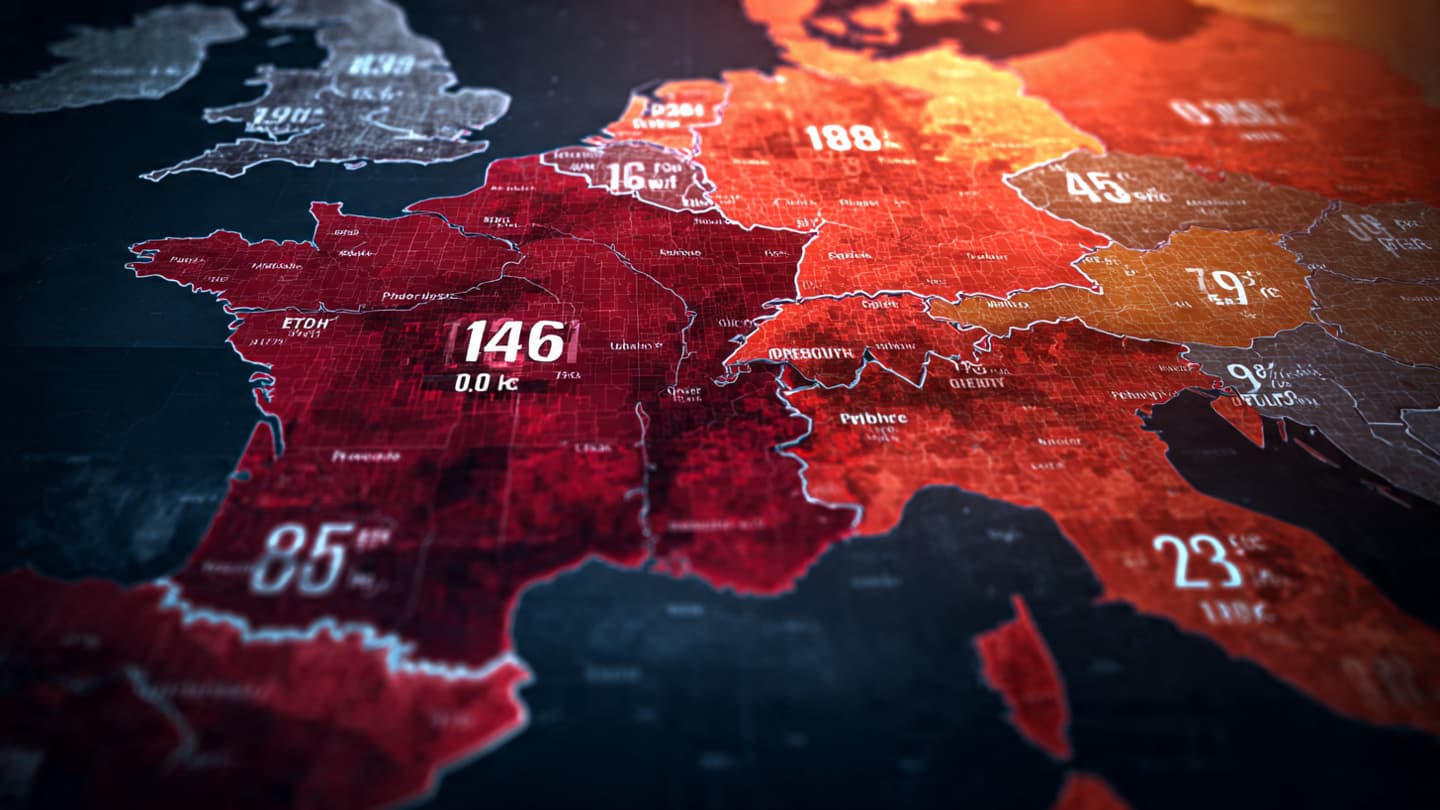
France is currently grappling with an unprecedented heatwave, as meteorological maps reveal large swathes of the country marked in deep red. This alarming visual representation signifies the extreme temperatures that have prompted French authorities to issue red alerts across more than 50 departments. The red alert is the highest warning level, indicating a significant risk to public health and infrastructure due to the soaring temperatures.
As temperatures continue to rise, officials have warned that daytime highs could remain dangerously elevated for several consecutive days. Nighttime temperatures are also expected to stay unusually warm, which poses a challenge for the human body to recover from prolonged heat exposure. This situation has led to a series of emergency measures being implemented across the affected regions.
Local governments have opened public cooling facilities to provide relief to residents, particularly those who are vulnerable. Welfare checks are being distributed to ensure that those most at risk have access to necessary resources. Additionally, emergency communication campaigns have been intensified to keep the public informed about safety measures and health guidelines during this extreme weather event.
The education sector has not been spared from the impacts of the heatwave. Many schools have either reduced classroom hours or suspended activities altogether, with administrators citing concerns about the conditions in classrooms, especially in older buildings that lack adequate air conditioning. This disruption underscores the broader implications of climate change on daily life and public services.
Transportation networks are also under scrutiny as authorities monitor the effects of extreme heat on infrastructure. Railway operators are conducting additional inspections to ensure safety, while road authorities are keeping a close eye on surfaces that may be susceptible to damage from prolonged exposure to high temperatures. These proactive measures aim to prevent accidents and maintain the integrity of transportation systems during this challenging period.
In the workplace, businesses and labor organizations are discussing necessary adjustments to protect outdoor employees who face heightened health risks due to the extreme heat. Employers are being encouraged to modify work schedules, provide additional breaks, and ensure that workers have continuous access to hydration. These measures are crucial in safeguarding the health and well-being of employees during this heatwave.
Experts have noted that red alerts have become increasingly common across Europe in recent years, highlighting the urgent need for policymakers to prioritize heat resilience. This includes considerations for urban design, healthcare preparedness, and community awareness. The current situation in France serves as a stark reminder of the ongoing challenges posed by climate change and the necessity for long-term adaptation strategies.
As the heatwave continues, French authorities are urging residents to adhere to official guidance and take precautions to protect themselves from the extreme weather. The extensive red alert system not only addresses the immediate challenges posed by the heat but also contributes to the broader conversation about climate adaptation and resilience in the face of changing environmental conditions.
Published by Banx Network. This article is part of the Banx decentralized media programme, powered by the BXE token on the XRP Ledger.




