
Key Highlights
- Historic Shutdown:Hungary's Paks nuclear power plant may face a complete shutdown due to unprecedented drought conditions.
- Record Low Water Levels:The Danube River's water levels have dropped significantly, affecting the plant's cooling system.
- Government Response:Prime Minister Péter Magyar indicates that the shutdown could occur within 24 to 72 hours, with contingency plans in place.
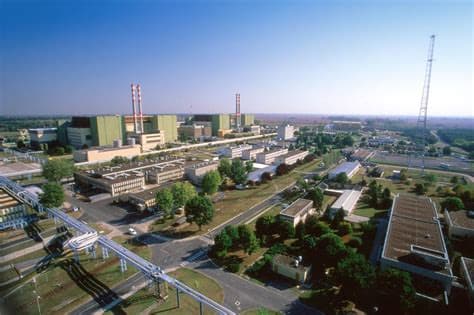
Hungary is on the brink of a historic complete shutdown of its Paks nuclear power plant, primarily due to record-low water levels in the Danube River. This situation has arisen as the ongoing heatwave and persistent drought have severely impacted the plant's ability to draw sufficient water for its cooling system. The Prime Minister, Péter Magyar, has warned that the full stoppage could occur within the next 24 to 72 hours if conditions do not improve.
The Paks nuclear power plant, which is Hungary's only nuclear facility, has already begun to reduce its output block by block in response to the dwindling water supply. This reduction is a precautionary measure to ensure safety and compliance with operational standards. The plant's cooling system relies heavily on the Danube, and with water levels at historic lows, the risk of overheating becomes a pressing concern.
In addition to the challenges posed by the drought, a separate technical issue at a gas plant has compounded the energy supply crisis in Hungary. This dual challenge has prompted the government to implement a contingency plan that includes importing energy and cutting peak demand to mitigate the impact on consumers and businesses.
The situation highlights the broader implications of climate change, as extreme weather events become more frequent and severe. Hungary, like many other countries, is grappling with the effects of rising temperatures and changing precipitation patterns, which threaten not only energy production but also agriculture and water supply.
As the government prepares for potential outages, citizens are urged to conserve energy and stay informed about the situation. The Paks nuclear power plant has been a cornerstone of Hungary's energy strategy, providing a significant portion of the country's electricity. A complete shutdown would not only affect energy availability but could also have economic repercussions.
In light of these developments, the Hungarian government is closely monitoring the situation and is prepared to take further action if necessary. The focus remains on ensuring the safety of the plant's operations while addressing the immediate energy needs of the population.
Published by Banx Network. This article is part of the Banx decentralized media programme, powered by the BXE token on the XRP Ledger.



