
Key Highlights
- Reconstruction Cost:EU foreign policy chief estimates $71 billion needed.
- Infrastructure Needs:Plans include rebuilding homes, schools, and utilities.
- International Cooperation:Emphasis on global support for effective recovery.
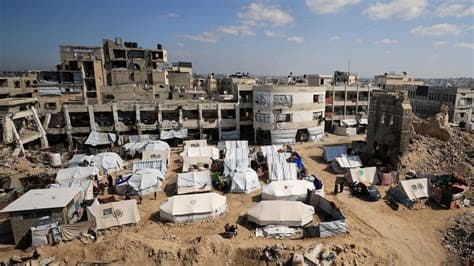
In a troubling assessment of the situation in Gaza, EU foreign policy chief Josep Borrell has stated that the projected cost for reconstruction efforts is approximately $71 billion. This staggering figure comes in the wake of extensive damage caused by recurrent conflicts that have ravaged infrastructure and displaced thousands of residents.
The reconstruction plan aims to address a wide array of needs, including rebuilding homes, schools, and hospitals, as well as restoring critical utilities such as water and electricity. Experts warn that the success of these efforts will depend heavily on sustained international support and effective governance in the region. Borrell emphasized that the necessity for international cooperation is paramount in tackling the humanitarian crisis. The EU is calling for a coordinated response from member states and international organizations to mobilize resources effectively.
The announcement has generated discussions on sustainable development practices, with calls for investments that not only rebuild but also enhance the resilience of Gaza’s infrastructure against future conflicts. Stakeholders advocate for incorporating community needs and environmental considerations into reconstruction plans to ensure long-term recovery. This approach aims to create a more robust framework that can withstand future adversities, thereby reducing the likelihood of repeated devastation.
As the international community grapples with the logistics of such a substantial financial commitment, the situation in Gaza remains dire. Humanitarian organizations continue to provide immediate aid, but the scope of reconstruction necessitates a comprehensive approach that addresses the underlying issues contributing to the region's instability. The need for a multifaceted strategy that includes economic development, social cohesion, and political dialogue is critical to fostering a sustainable peace.
The potential for long-lasting peace and recovery in Gaza hinges on collaborative efforts, both in securing funding and in fostering dialogue among conflicting parties. Moving forward, the global response will be critical in shaping the future of Gaza and its inhabitants. The EU's leadership in this initiative may set a precedent for how international bodies respond to similar crises in the future, highlighting the importance of unity and shared responsibility in addressing humanitarian needs.
Published by Banx Network. This article is part of the Banx decentralized media programme, powered by the BXE token on the XRP Ledger.



