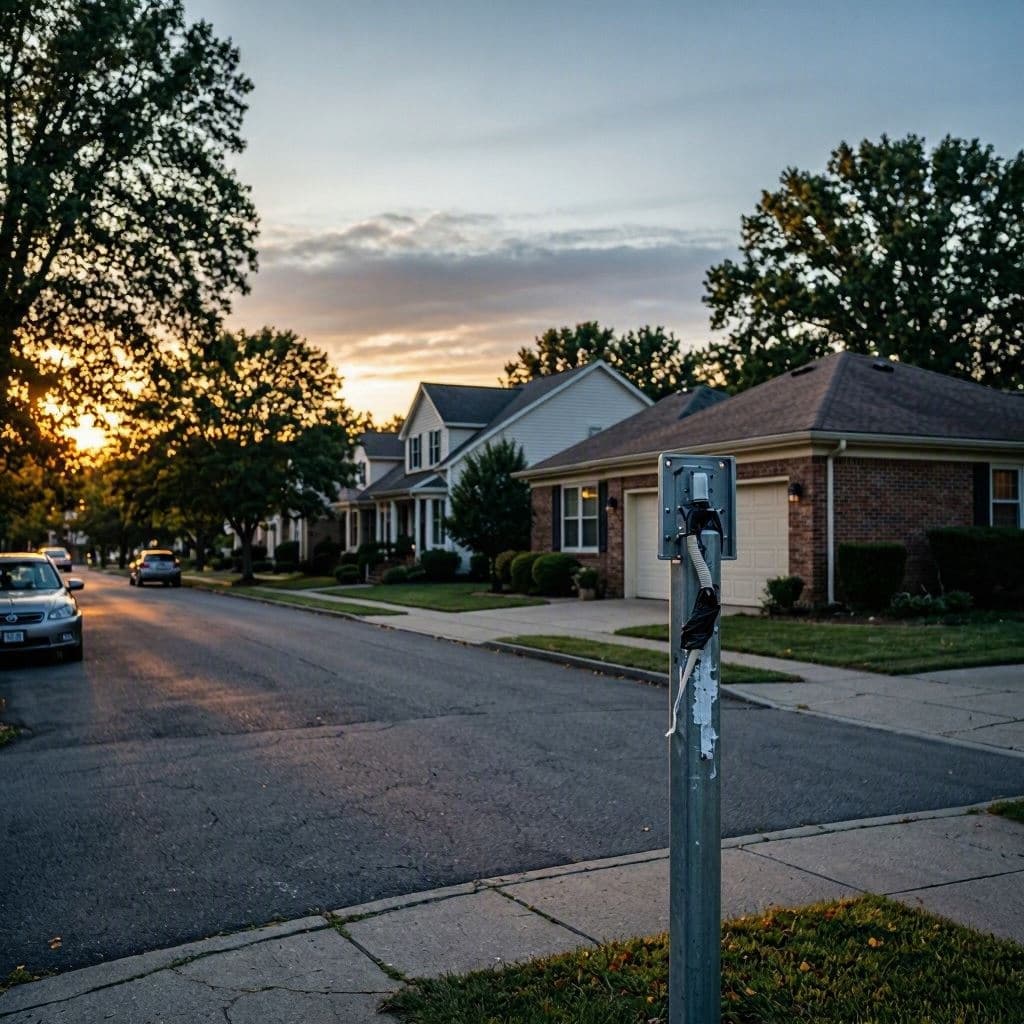
In the quiet streets of Central Florida, the hum of traffic is no longer accompanied by the silent gaze of automated surveillance. For years, high-tech cameras known as "flock" systems monitored vehicle movements, promising enhanced security through data collection. Yet, following a decisive state order, municipalities have begun to dismantle this digital net. This shift marks a significant moment in the ongoing dialogue between public safety and personal privacy, inviting us to reflect on the boundaries of observation in our daily lives.
The technology in question, often referred to as license plate readers or ALPRs, was designed to track vehicles across multiple jurisdictions. Proponents argued that these tools were essential for solving crimes, locating stolen cars, and identifying suspects in serious offenses. The data collected created a comprehensive map of movement, offering law enforcement a powerful investigative asset. However, the scope of this surveillance raised concerns among civil liberties advocates and residents alike.
Critics pointed out that the indiscriminate collection of data on innocent citizens could lead to potential abuses and erode trust in local government. The idea that every trip to the grocery store or doctor’s office was logged and stored became a source of discomfort for many. This unease grew into a broader political movement, emphasizing the right to anonymity in public spaces and the dangers of mass surveillance.
The state’s intervention came as a response to these growing concerns, mandating the removal of such systems in certain areas. This decision reflects a changing attitude toward technology in governance, where efficiency is no longer the sole metric for success. Instead, ethical considerations and community values are taking precedence, shaping policies that prioritize individual rights over blanket monitoring.
For local police departments, the transition requires adjustment. Without the automated data stream, investigators must rely on traditional methods, which can be more time-consuming but also more targeted. Some officers express concern about losing a valuable tool, while others welcome the opportunity to rebuild community relationships based on trust rather than surveillance.
The dismantling of these cameras is not just a technical process but a symbolic one. It represents a reclaiming of public space from the digital eye, affirming that freedom includes the ability to move without constant recording. Municipalities are now tasked with finding new ways to ensure safety that respect these boundaries, fostering a sense of shared responsibility rather than imposed oversight.
Community reaction has been largely positive, with many residents feeling a renewed sense of privacy and autonomy. Local forums and town halls have become spaces for discussing how to balance security needs with civil liberties. This engagement strengthens democratic participation, allowing citizens to have a direct say in the technologies that shape their environment.
As other regions watch Florida’s experiment, the outcome may influence national debates on surveillance technology. The state’s approach offers a model for how governments can respond to public concern with decisive action. It suggests that progress does not always mean adopting the latest technology, but sometimes choosing to step back and protect fundamental freedoms.
The removal of high-tech surveillance cameras in Central Florida marks a pivotal shift in the balance between security and privacy. By adhering to state orders, municipalities are prioritizing civil liberties and community trust. This decision invites a broader reflection on the role of technology in public life and the importance of safeguarding personal freedom.
AI Image Disclaimer: The visual representations accompanying this article are AI-generated interpretations designed to symbolize the concepts of privacy and public space, using abstract imagery of empty streets and removed equipment.
Sources: Orlando Sentinel Tampa Bay Times Florida Department of Legal Affairs
Published by Banx Network. This article is part of the Banx decentralized media programme, powered by the BXE token on the XRP Ledger.