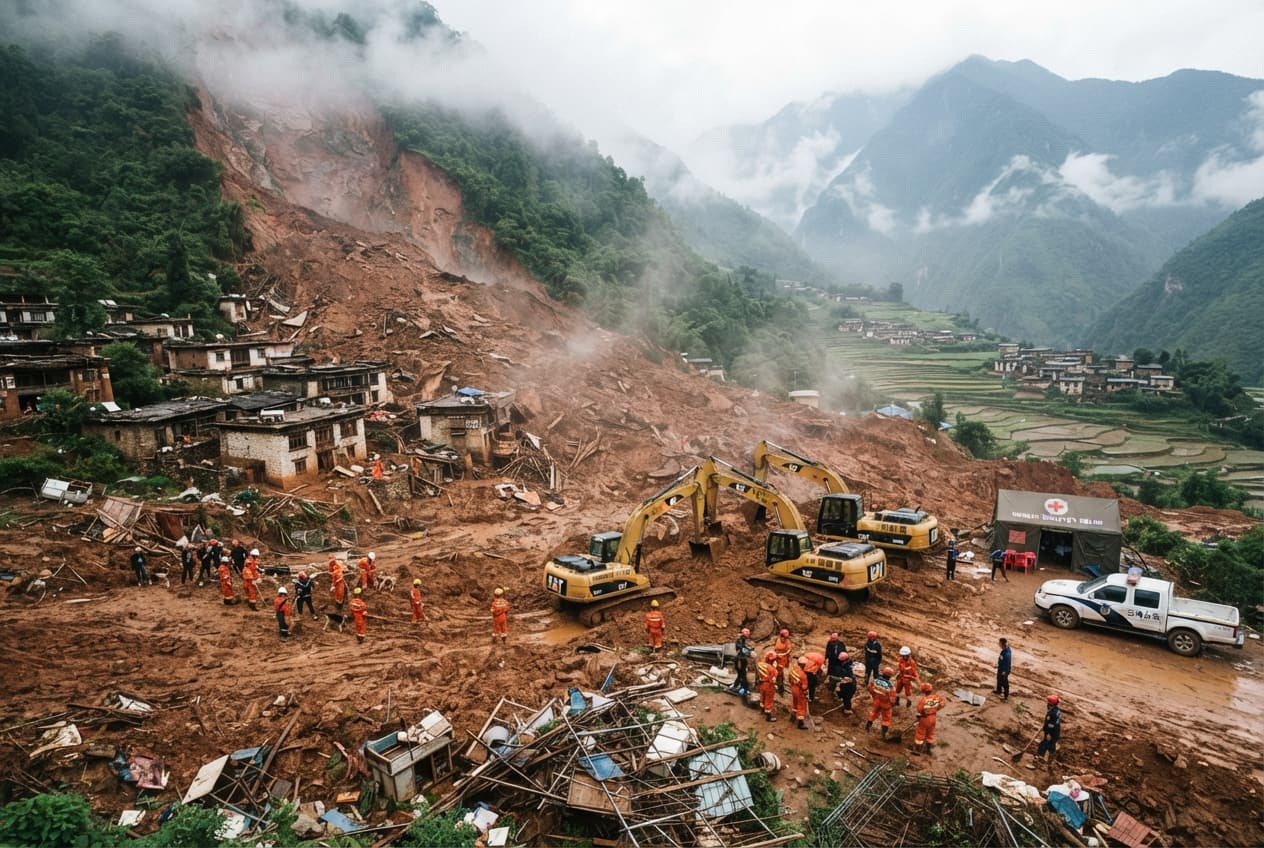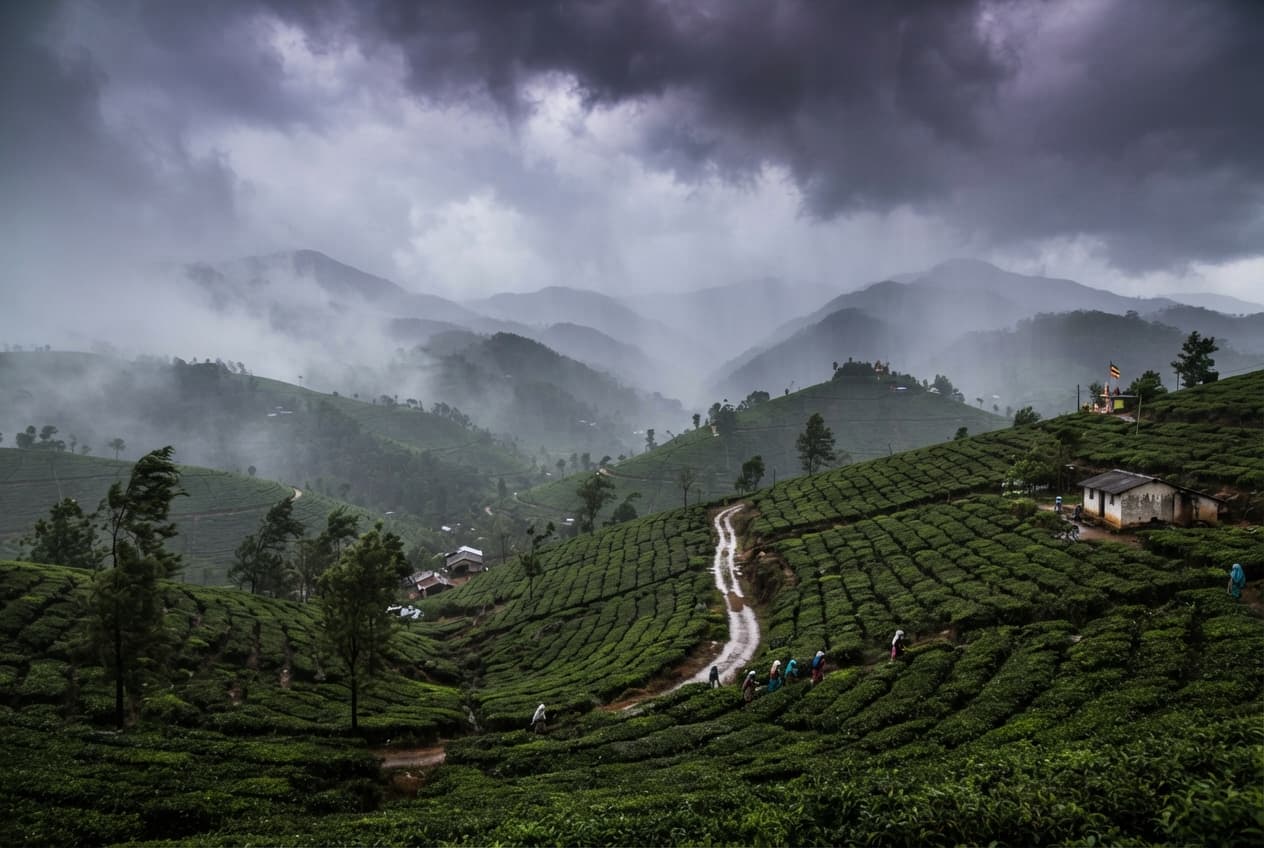
In the highlands of northern Ethiopia, where history is etched into the landscape and memories of conflict remain fresh, a new chapter of uncertainty has begun. A coordinated offensive by rebel groups against the Ethiopian federal army has reignited fears of a return to full-scale civil war. After four years of fragile peace following the Tigray conflict, the sudden escalation of violence serves as a sobering reminder of the region’s deep-seated tensions. It is a moment where hope for stability meets the harsh reality of political fragmentation. Peace is a delicate flower.
The fighting involves a newly formed alliance, the Ethiopian People's Forces Alliance for Survival (EPFAS), which includes several former rival groups united against Prime Minister Abiy Ahmed’s government. Their stated goal is to challenge what they perceive as authoritarian rule and marginalization. For the civilians caught in the crossfire, the political motivations matter less than the immediate threat to their safety. Survival is the primary instinct.
Reports of drone strikes and ground clashes in the Tigray and Amhara regions have prompted widespread anxiety. Communities that had begun to rebuild are now bracing for displacement and loss. The humanitarian situation, already precarious, risks deteriorating rapidly if the conflict expands. Vulnerability demands protection. Aid saves lives.
The international community watches with concern, aware that instability in Ethiopia can have ripple effects across the Horn of Africa. Neighboring countries, including Sudan and Eritrea, are closely monitoring the situation, fearing spillover effects. Regional security is interconnected. Cooperation prevents crisis.
Prime Minister Abiy Ahmed has vowed to defend the nation’s sovereignty and restore order. His government views the offensive as a terrorist threat rather than a legitimate political movement. This framing complicates potential diplomatic solutions, as it limits the space for negotiation. Perspective shapes policy. Dialogue requires recognition.
For many Ethiopians, the prospect of another war is exhausting. The previous conflict left deep scars, both physical and psychological. The desire for peace is strong, but so is the frustration with unaddressed grievances. Resilience is tested by repetition. Hope persists despite pain.
As the fighting continues, humanitarian organizations are calling for immediate access to affected areas. They emphasize the need for ceasefires to allow aid delivery and protect civilians. Humanity must prevail over politics. Compassion bridges divides.
In the end, the rebel offensive is a critical test for Ethiopia’s future. It challenges the nation to find a path that balances security with inclusivity. As the world watches, the hope is for a resolution that prioritizes human life and lasting peace. Unity is the goal.
AI Image Disclaimer: The visual representations included here are AI-generated illustrations designed to depict themes of conflict and humanitarian aid, not actual photographs of specific battles, military personnel, or displaced persons in Ethiopia.
Sources: BBC News CNN The Economist Irish Times
Published by Banx Network. This article is part of the Banx decentralized media programme, powered by the BXE token on the XRP Ledger.