In the high-stakes arena of space exploration, confidence is a currency as valuable as fuel. For Boeing, the manufacturer of the Starliner spacecraft, that confidence has been tested repeatedly by delays, technical glitches, and public scrutiny. Yet, amidst the turbulence, the company maintains that its vessel is ready for its next critical mission. With recent assurances that the spacecraft is "pretty much good to go," Boeing seeks to restore trust in a program that has become synonymous with both ambition and frustration.
The Starliner program has faced a series of setbacks since its inception, including software errors and valve issues that grounded previous test flights. These challenges delayed NASA’s Commercial Crew Program, leaving the agency reliant on SpaceX for astronaut transport. For Boeing, each delay has been a blow to its reputation and financial standing, prompting intense internal reviews and external pressure. The current assertion of readiness comes after months of rigorous testing and modifications.
Engineers have worked tirelessly to address the specific problems that plagued earlier missions. The helium leaks, which caused significant concern during the last uncrewed test flight, have been investigated and reportedly mitigated. Software updates have been implemented to ensure smoother operation during launch and docking procedures. Boeing emphasizes that every component has been scrutinized, aiming to leave no stone unturned in the quest for safety.
NASA, as the primary customer, remains cautious but supportive. The agency has conducted its own independent assessments, verifying Boeing’s claims before giving the green light for crewed missions. This collaborative yet skeptical approach ensures that safety standards are met without compromising the timeline excessively. The relationship between Boeing and NASA is a delicate balance of partnership and oversight, crucial for the success of the program.
Public perception plays a significant role in the narrative. After years of headlines focusing on failures, Boeing is eager to shift the story toward success. A successful crewed flight would not only validate the Starliner design but also demonstrate Boeing’s capability to compete in the new space economy. It is a moment of truth for the company, with much riding on the performance of the spacecraft.
The competition with SpaceX adds another layer of urgency. While SpaceX has established a reliable rhythm of launches and landings, Boeing is still working to prove its operational consistency. The contrast between the two companies highlights different approaches to innovation and risk management. For Boeing, the goal is to match the reliability of its rival while maintaining its own engineering standards.
As the launch date approaches, attention turns to the astronauts who will board the Starliner. Their training has continued despite the delays, ensuring they are prepared for any scenario. Their confidence in the vehicle is essential, not just for mission success but for public reassurance. The human element remains central to the endeavor, reminding us that behind the technology are lives at stake.
Boeing’s claim that the Starliner is ready marks a pivotal moment in the commercial space race. Whether this confidence is well-founded will be determined in the coming weeks, as the spacecraft prepares to carry astronauts to the International Space Station.
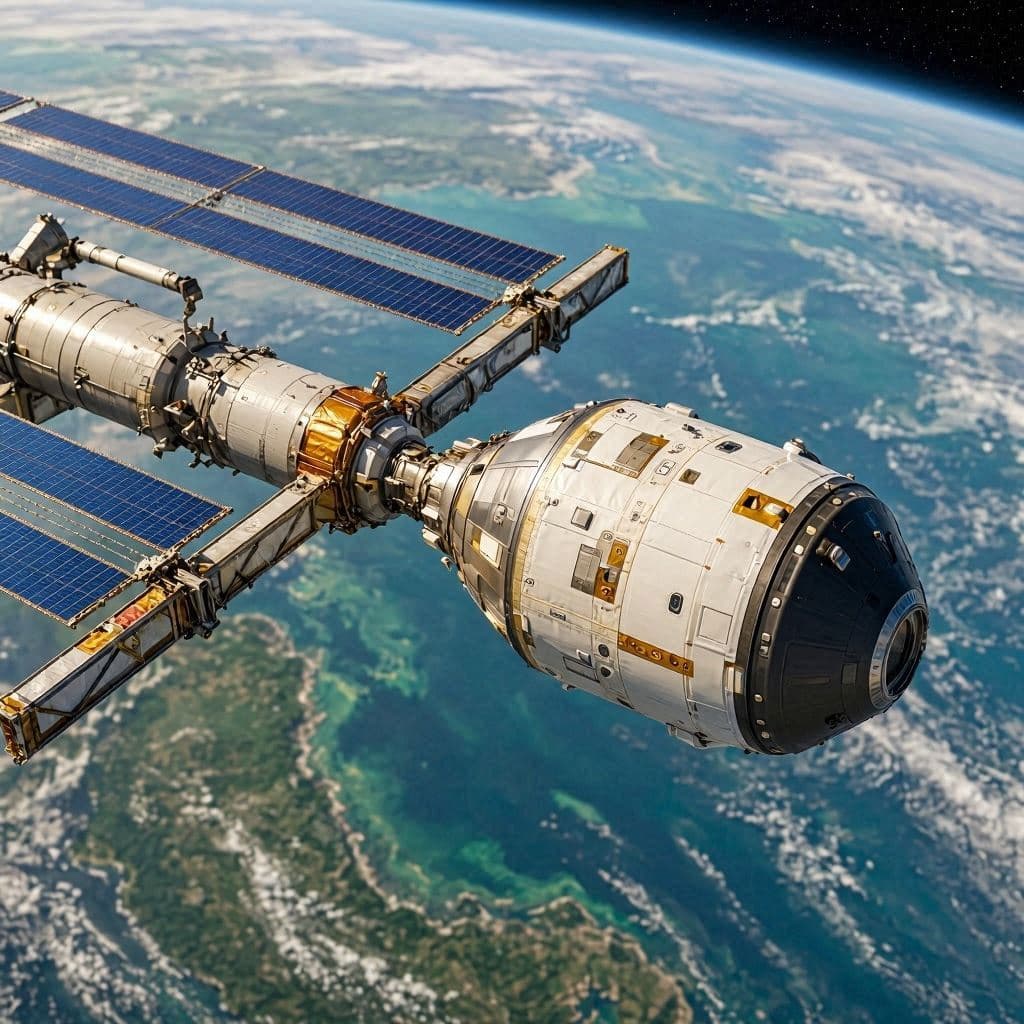
AI Image Disclaimer: Please note that the images in this piece are AI-generated illustrations created to depict the themes of aerospace engineering and corporate resilience.
Sources: SpaceNews, The Verge, NASA Blog, CNBC
Published by Banx Network. This article is part of the Banx decentralized media programme, powered by the BXE token on the XRP Ledger.