In the intricate landscape of modern medicine, precision is the compass that guides treatment. For decades, the fight against lung cancer relied heavily on DNA analysis to identify genetic mutations that drive tumor growth. However, a new frontier has emerged, one that looks not just at the genetic code itself, but at how that code is read and expressed. Recent advances in RNA testing have unveiled a diverse array of mutations previously hidden from view. This discovery invites us to reflect on the complexity of human biology and the promise of personalized medicine, where every patient’s unique molecular profile can lead to more effective care.
Body: RNA, or ribonucleic acid, serves as the messenger between DNA and protein production. While DNA testing identifies static genetic changes, RNA sequencing reveals which genes are actively being used by cancer cells. This dynamic perspective allows scientists to detect structural variants, such as gene fusions, that are often missed by traditional DNA tests. These fusions occur when parts of two different genes join together, creating abnormal proteins that fuel cancer growth. By identifying them, doctors can target therapies more accurately.
Recent studies have shown that adding RNA testing to standard diagnostic protocols significantly increases the detection rate of actionable mutations. In non-small cell lung cancer (NSCLC), the most common form of the disease, this approach has uncovered alterations in genes like ALK, RET, and ROS1. These findings are crucial because specific drugs exist to target these exact mutations, offering patients better outcomes and fewer side effects compared to conventional chemotherapy.
The diversity of mutations revealed by RNA testing highlights the heterogeneity of lung cancer. No two tumors are exactly alike, and even within a single patient, different cells may exhibit distinct genetic behaviors. This complexity requires a comprehensive testing strategy that goes beyond simple screening. It demands a holistic view of the tumor’s biology, capturing both the blueprint and its execution.
For patients, this means hope. Many who previously tested negative for known mutations may now find viable treatment options. The ability to match a patient with a targeted therapy can transform a diagnosis from a dire prognosis into a manageable condition. It empowers individuals to take an active role in their care, armed with knowledge about the specific drivers of their disease.
However, implementing widespread RNA testing presents challenges. It requires specialized equipment, expertise, and time, which may not be available in all healthcare settings. Cost and accessibility remain significant barriers, particularly for underserved populations. Ensuring equitable access to these advanced diagnostics is a critical step toward realizing their full potential.
Researchers continue to refine these techniques, seeking faster and more cost-effective methods. Collaborative efforts between laboratories, pharmaceutical companies, and clinical teams are driving innovation. As technology evolves, the goal is to make comprehensive biomarker testing a standard part of lung cancer care, regardless of location or resources.
Closing: The revelation of diverse lung cancer mutations through RNA testing marks a significant leap forward in oncology. It underscores the importance of looking deeper into the molecular machinery of disease. As we embrace these advancements, the focus remains on improving lives through precision, empathy, and scientific rigor.
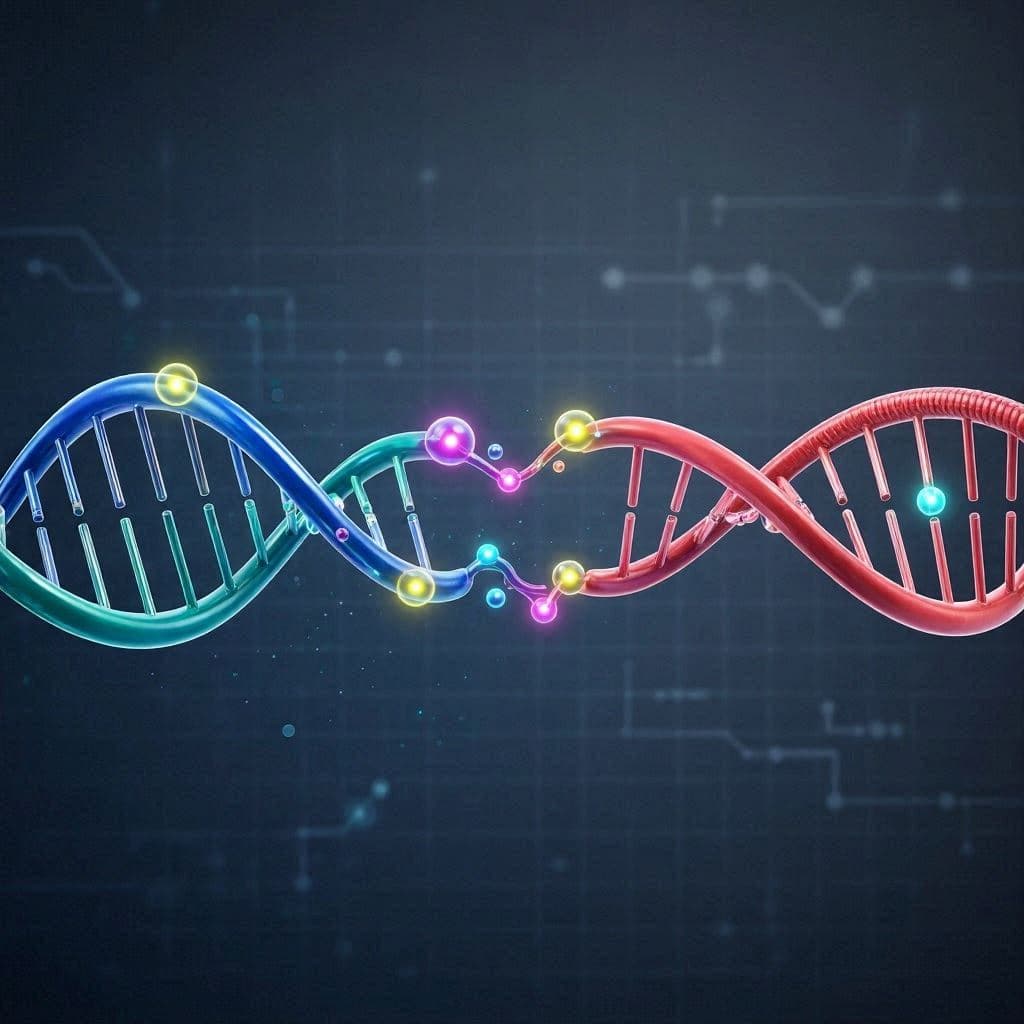
AI Image Disclaimer: The images accompanying this article are AI-generated conceptual illustrations of molecular structures and medical research, designed to visualize the themes of genetics and personalized medicine.
Sources: JAMA Network Open Nature Communications GenomeWeb Lung Cancer Research Foundation
Published by Banx Network. This article is part of the Banx decentralized media programme, powered by the BXE token on the XRP Ledger.