

Key Highlights
- Increased Staffing:State emergency services boost personnel for storm response.
- Infrastructure Reviews:Operators assess transport and utility systems for resilience.
- Community Engagement:Local organizations promote safety and emergency supply readiness.
Australia is bracing for potentially severe weather as forecasts indicate heavy rainfall and damaging winds across various regions. In anticipation of these conditions, government agencies and emergency services are ramping up their preparedness efforts to safeguard communities and critical infrastructure. The proactive measures taken now are crucial for minimizing disruption and ensuring public safety when the storms arrive.
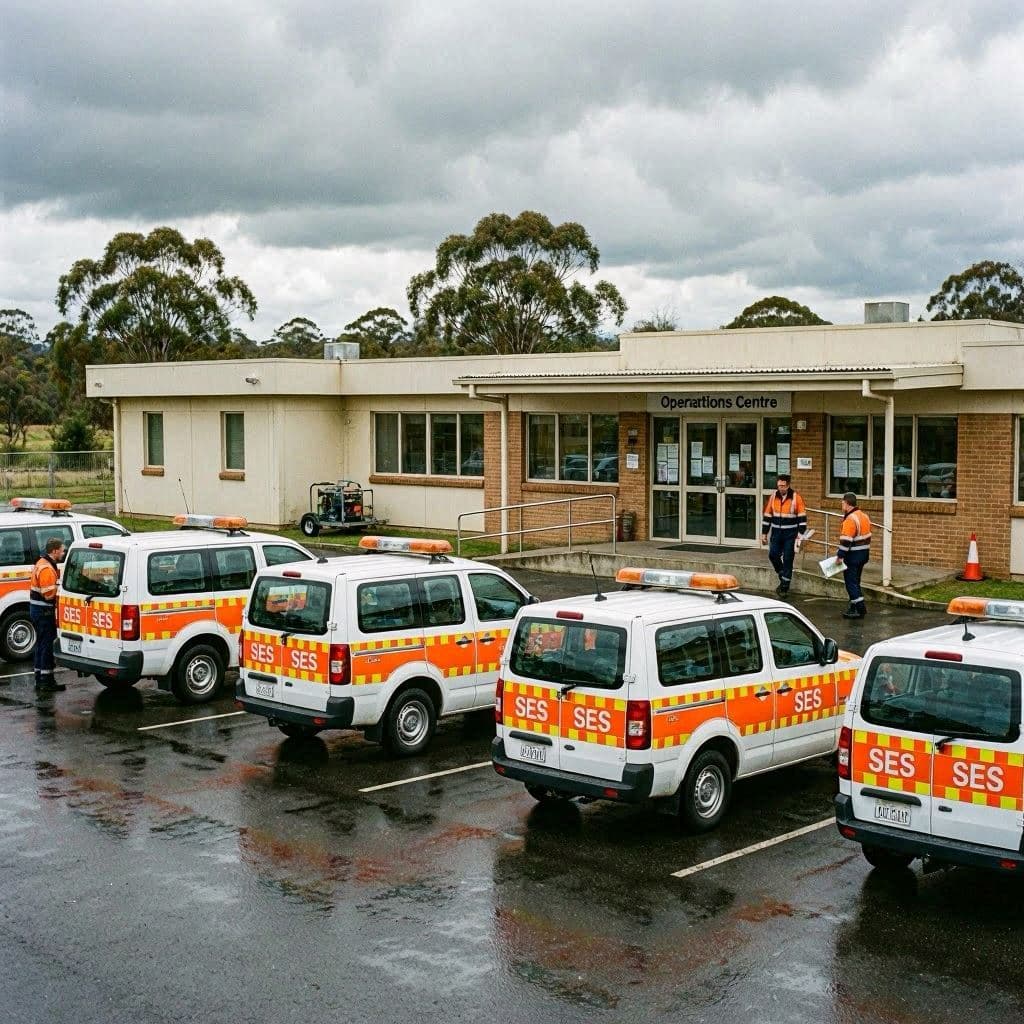
State emergency services have significantly increased staffing levels to enhance their response capabilities. This includes a thorough review of equipment, communication systems, and emergency shelters to ensure they are ready for immediate deployment. Authorities are focused on creating a rapid response framework to address the challenges posed by heavy rainfall and flooding, which could severely impact populated areas in the coming days.
Local governments are working closely with meteorological agencies to stay updated on weather forecasts and identify communities at heightened risk. Emergency management centers are operational, allowing officials to monitor conditions and respond swiftly as the situation evolves. This collaboration is vital for effective disaster response and community safety.
Infrastructure operators are also taking preventive measures by reviewing transportation networks, electricity systems, and drainage facilities. These inspections aim to minimize service interruptions and bolster resilience against severe weather impacts. By ensuring that essential public services remain functional, authorities hope to mitigate the effects of potential storms on daily life.
Healthcare providers, including hospitals, have confirmed that they are implementing contingency plans to maintain emergency medical services during adverse weather conditions. Utility companies are preparing response teams to address possible power outages, ensuring that they can restore services quickly if disruptions occur.
Community organizations are playing a pivotal role in these preparedness efforts by disseminating official safety information through local networks. They are encouraging residents to assemble emergency supplies and stay informed about safety protocols. Public awareness campaigns are ongoing, emphasizing the importance of practical readiness rather than fostering unnecessary panic.
Experts highlight that Australia's emergency management system has evolved significantly in the wake of previous natural disasters. Lessons learned from past flood and storm events have led to improved coordination between federal, state, and local agencies, enhancing the overall effectiveness of disaster response strategies.
While weather forecasts may still change, Australia's commitment to readiness, cooperation, and clear public communication remains steadfast. Officials are optimistic that early preparation will help communities respond effectively and reduce the impact of severe weather when it arrives.
AI-generated image disclaimer: This article contains an AI-generated illustration designed to represent emergency preparedness in a realistic manner.
Published by Banx Network. This article is part of the Banx decentralized media programme, powered by the BXE token on the XRP Ledger.




