
Key Highlights
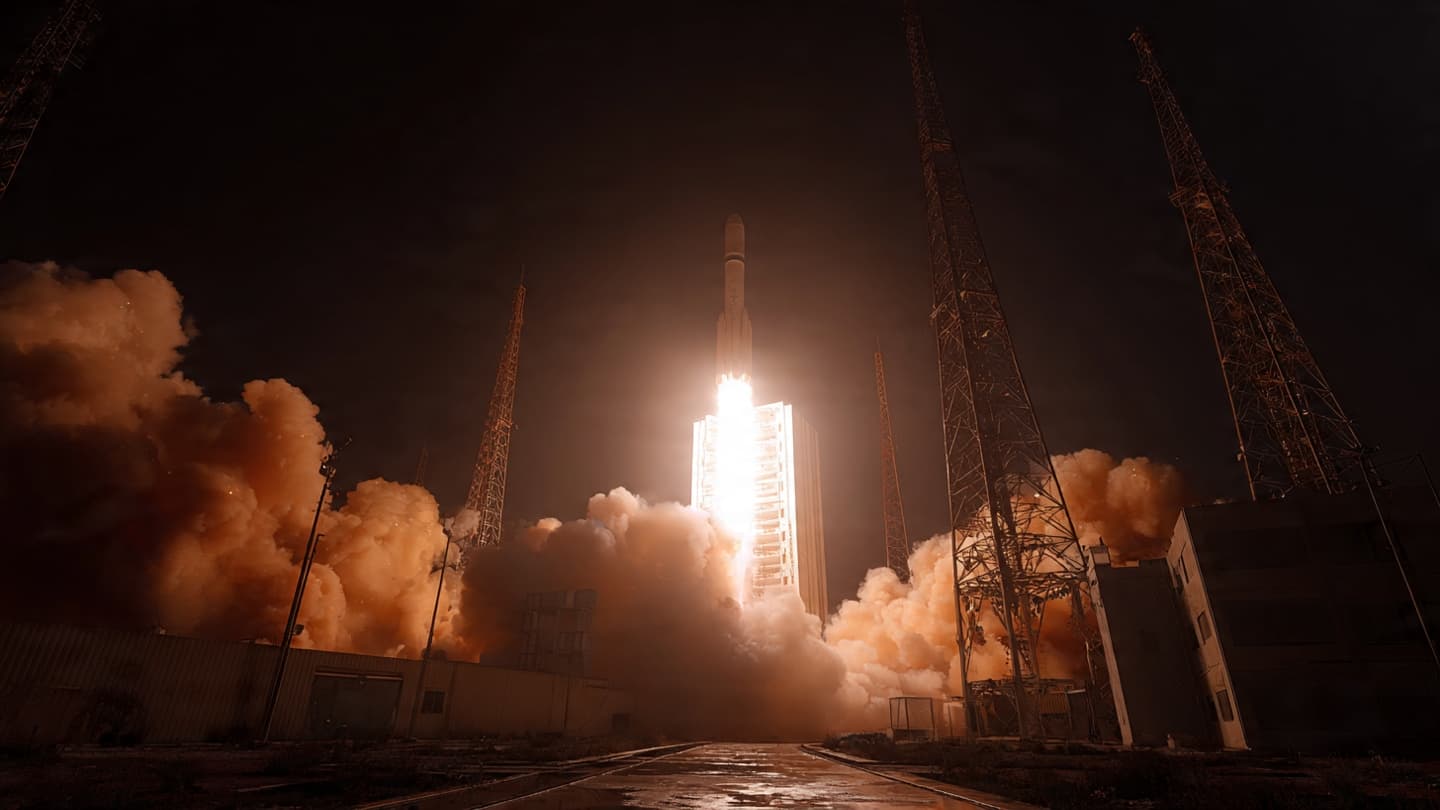
- Successful Launch:Iran has successfully placed a satellite into orbit, marking a significant milestone in its space program.
- International Concerns:The launch has raised alarms among global observers regarding potential military applications of space technology.
- National Pride:The Iranian public celebrates the satellite launch as a testament to resilience and technological advancement despite sanctions.
Iran's recent satellite launch has captured global attention, marking a pivotal moment in the nation's burgeoning space program. Officials confirmed that the satellite was successfully placed into orbit, a feat that underscores Iran's aspirations for scientific advancement and national development. This launch is not merely a technical achievement; it symbolizes Iran's desire to assert its place in the global arena of space exploration.
However, the launch has not gone unnoticed by international observers, who express concerns about the dual-use nature of space technology. While Iran presents the satellite program as a peaceful endeavor aimed at scientific progress, critics argue that such technology can also be applied to missile development and other military capabilities. This duality of purpose has led to heightened scrutiny from various countries, emphasizing the need for transparency in Iran's space activities.
In response to the launch, several nations have issued statements calling for adherence to international norms and regulations governing space exploration. Analysts point out that while Iran's space program may have legitimate scientific objectives, it operates within a complex geopolitical landscape fraught with tension. The potential for missile proliferation and regional security threats remains a significant concern for Western nations, which view the satellite launch as a potential escalation in Iran's military capabilities.
Supporters within Iran, however, highlight the scientific and educational benefits of the satellite program. They argue that the satellite's capabilities in communications, meteorology, and earth observation are crucial for the country's technological self-sufficiency. This perspective is particularly resonant among the Iranian public, who view the launch as a source of national pride and a demonstration of resilience in the face of ongoing international sanctions and economic challenges.
Media coverage of the launch has been extensive, blending technical analysis with geopolitical commentary. The satellite is portrayed not only as a technological milestone but also as a narrative about Iran's ambitions and its quest for recognition on the world stage. As the satellite enters its operational phase, the focus will shift to its performance and the international community's reactions, which will likely continue to reflect the delicate balance between scientific exploration and strategic caution.
In conclusion, Iran's satellite launch serves as a reminder of the intricate interplay between national pride and global apprehension. As the country navigates its path in space exploration, the implications of its actions will resonate far beyond its borders, influencing regional dynamics and international relations for years to come.
Published by Banx Network. This article is part of the Banx decentralized media programme, powered by the BXE token on the XRP Ledger.



