
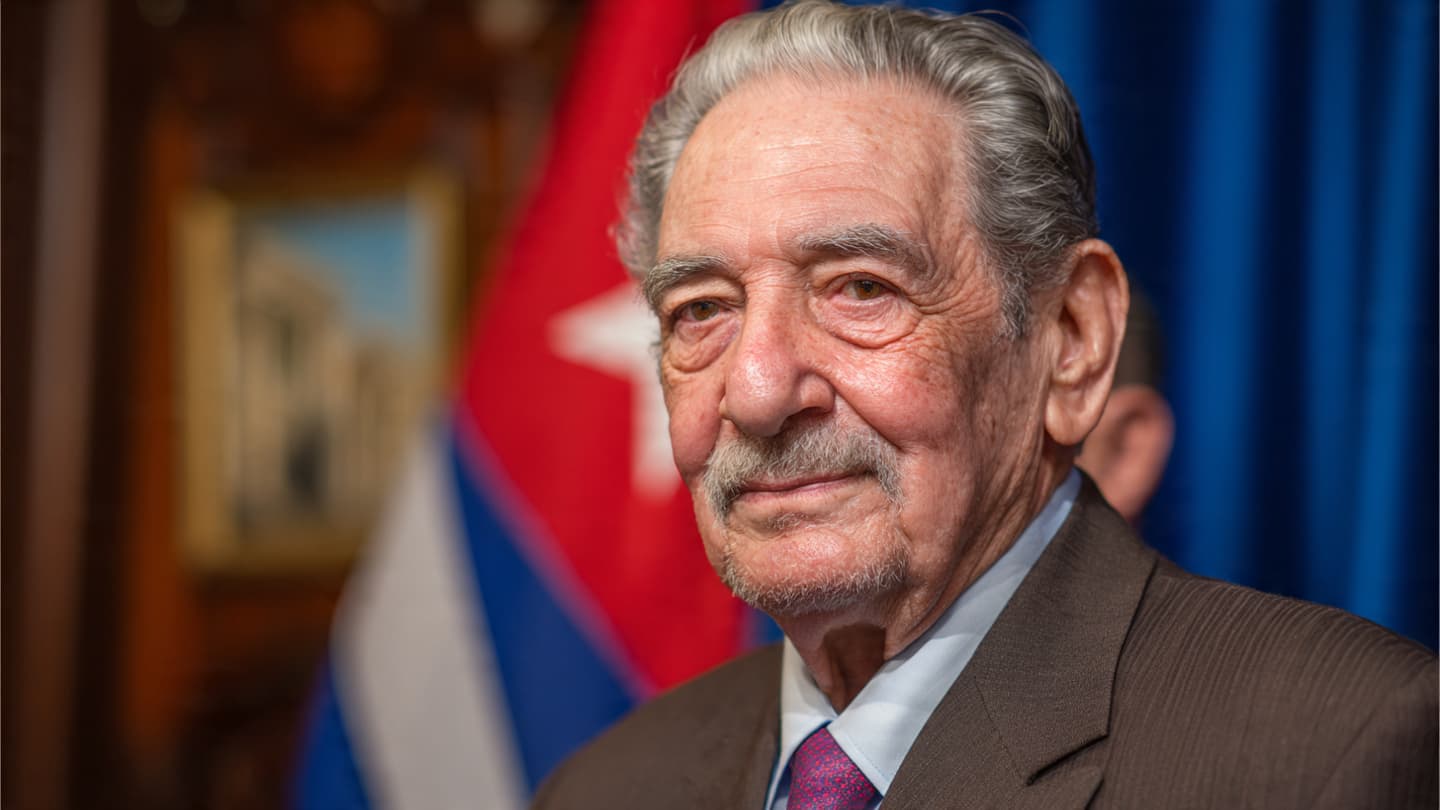
History often leaves certain figures standing quietly behind the larger movements that shaped nations and ideologies. Some leaders become symbols not only of political systems, but also of eras marked by tension, transformation, and global rivalry. Raul Castro remains one of those figures, long associated with Cuba’s revolutionary leadership and its complex relationship with the United States.
Public attention toward Raul Castro resurfaced after renewed discussions involving US policy and sanctions connected to Cuban political figures. Though no longer serving as Cuba’s president, Castro continues carrying symbolic significance within the country’s political history and international image.
Raul Castro is the younger brother of Fidel Castro, the revolutionary leader who guided Cuba following the 1959 Cuban Revolution. After Fidel’s declining health, Raul gradually assumed leadership responsibilities before officially serving as Cuba’s president from 2008 until 2018.
During his leadership period, Raul Castro oversaw several economic and administrative reforms while maintaining the country’s socialist political structure. His presidency also coincided with a temporary thaw in diplomatic relations between Cuba and the United States during the Obama administration.
Relations between Washington and Havana have historically fluctuated between cautious diplomacy and prolonged hostility. Economic sanctions, political disagreements, and ideological differences have shaped interactions between the two countries for more than six decades.
Political analysts note that Raul Castro represents continuity within Cuba’s revolutionary establishment even after stepping back from formal executive leadership. His legacy remains closely connected to the survival and adaptation of Cuba’s political system during periods of economic hardship and international isolation.
Recent US policy discussions involving Cuban officials have renewed debate regarding sanctions, democracy, and human rights concerns on the island. Supporters of stricter policies argue they are necessary for political accountability, while critics question their humanitarian and economic impact on Cuban society.
International observers continue viewing Cuba-US relations as an important reflection of broader political dynamics in the Americas. Historical memory, migration issues, and economic pressures all continue shaping the relationship between the two nations.
Raul Castro remains a significant historical and political figure as discussions surrounding US-Cuba relations continue evolving within contemporary international politics.
AI Image Disclaimer: Some supporting visuals in this article were created using AI-assisted illustration technology for contextual representation.
Sources: BBC Reuters Associated Press The New York Times
Published by Banx Network. This article is part of the Banx decentralized media programme, powered by the BXE token on the XRP Ledger.


