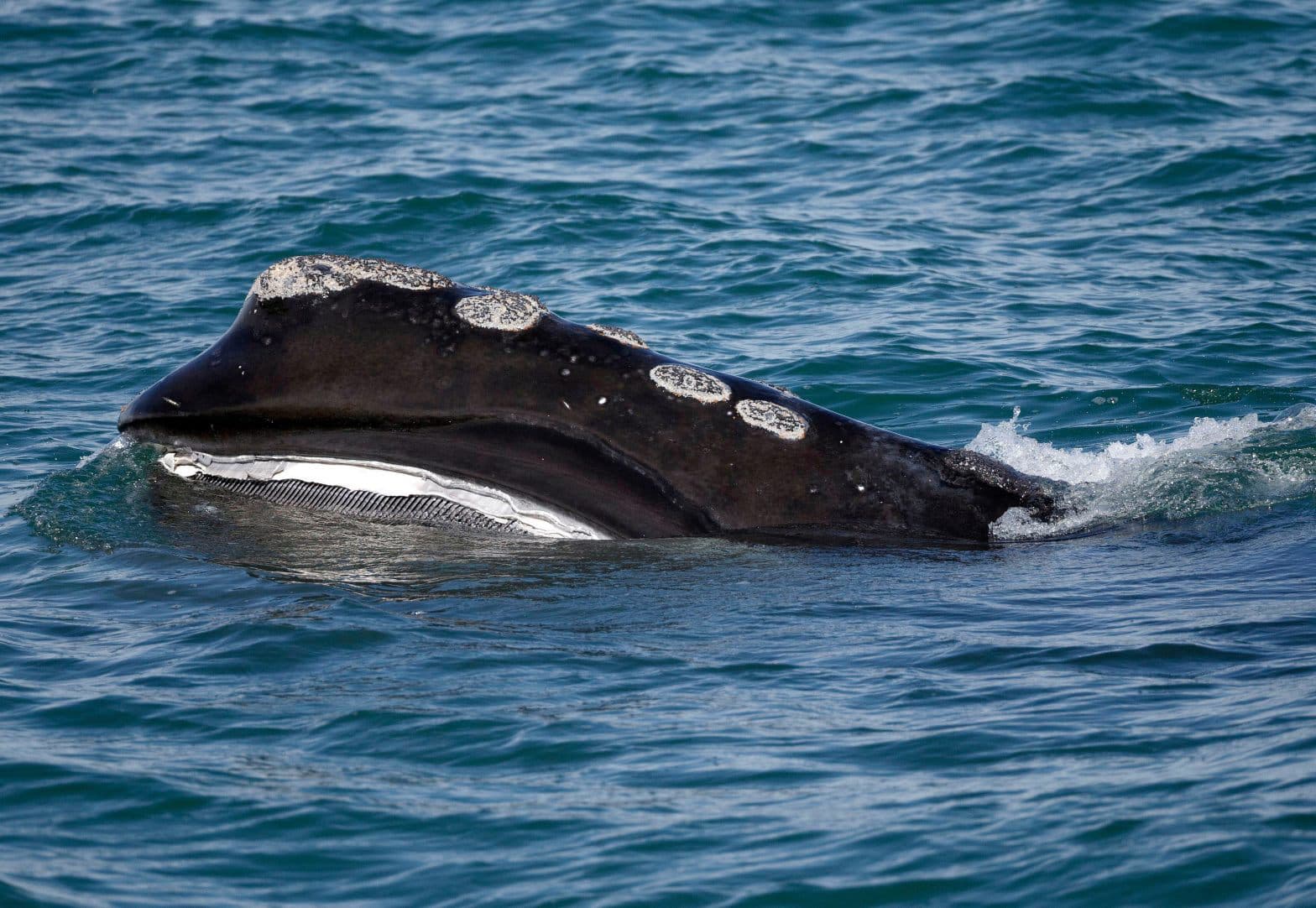
This season has brought encouraging news regarding a rare whale species, with reports indicating a notable rise in birth rates among the population. This positive trend offers a glimmer of hope for conservationists who have long been monitoring the species, often cited as critically endangered.
The increase in births is attributed to various efforts in conservation and habitat protection, which have created a more nurturing environment for the whales. Favorable conditions, such as improved food availability and reduced boat traffic in key breeding areas, have contributed to this encouraging development.
Despite this hopeful outlook, scientists remain cautious about the long-term viability of the species. Experts warn that numerous threats persist, including climate change, pollution, and habitat degradation. These ongoing challenges pose significant risks that could undermine the gains made this season.
Marine biologists stress the importance of continuous monitoring and conservation efforts to protect the whales from these external pressures. They emphasize that while this year's successful births are a step in the right direction, the species still faces an uphill battle against extinction.
To enhance their survival chances, conservation policies geared towards protecting critical habitats and mitigating human impacts are essential. As the situation evolves, awareness of the challenges faced by this rare whale species will be crucial in rallying support for ongoing conservation initiatives.
The contrast between this year's births and the looming threat of extinction underscores the fragile state of marine ecosystems and the urgent need for collective action to safeguard these magnificent creatures for future generations.
Published by Banx Network. This article is part of the Banx decentralized media programme, powered by the BXE token on the XRP Ledger.