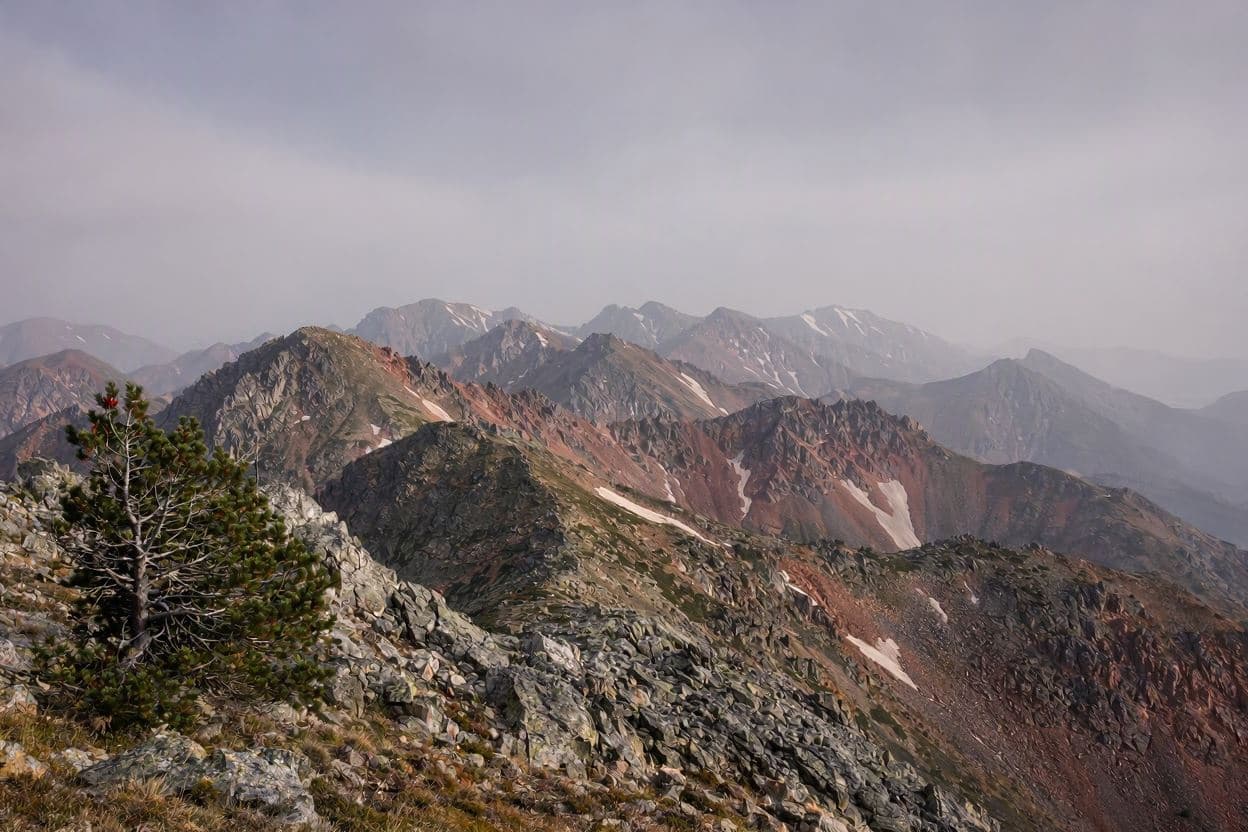
In a striking twist that bridges sports, wealth and the American frontier, Stan Kroenke — the billionaire owner of the Los Angeles Rams and an array of other professional sports franchises — has quietly claimed a new title: the largest private landowner in the United States. What began as a sprawling portfolio of ranches and real estate has now eclipsed some of the country’s most storied landholdings, marking a dramatic shift in the landscape of private ownership and sparking fresh conversations about land, legacy and power in 21st-century America.
In December 2025, Kroenke completed the purchase of about 937,000 acres of ranchland in New Mexico — the largest single land acquisition in the U.S. in more than a decade — from the heirs of Teledyne founder Henry Singleton. That transaction pushed Kroenke’s total holdings to roughly 2.7 million acres, surpassing longtime giants of private land ownership and placing him ahead of California timber magnate Red Emmerson’s family and media-executive John Malone.
Kroenke’s real-estate empire is as expansive as it is eclectic. He controls millions of acres of working ranchland across New Mexico, Wyoming, Montana, Arizona, Nevada and beyond, much of it used for cattle operations and open-range agriculture. He also owns approximately 60 million square feet of commercial real estate, from shopping centers to sports and entertainment venues, and leads a sports portfolio that includes the Rams (NFL), the Denver Nuggets (NBA), Colorado Avalanche (NHL), Colorado Rapids (MLS) and Arsenal F.C. in the English Premier League.
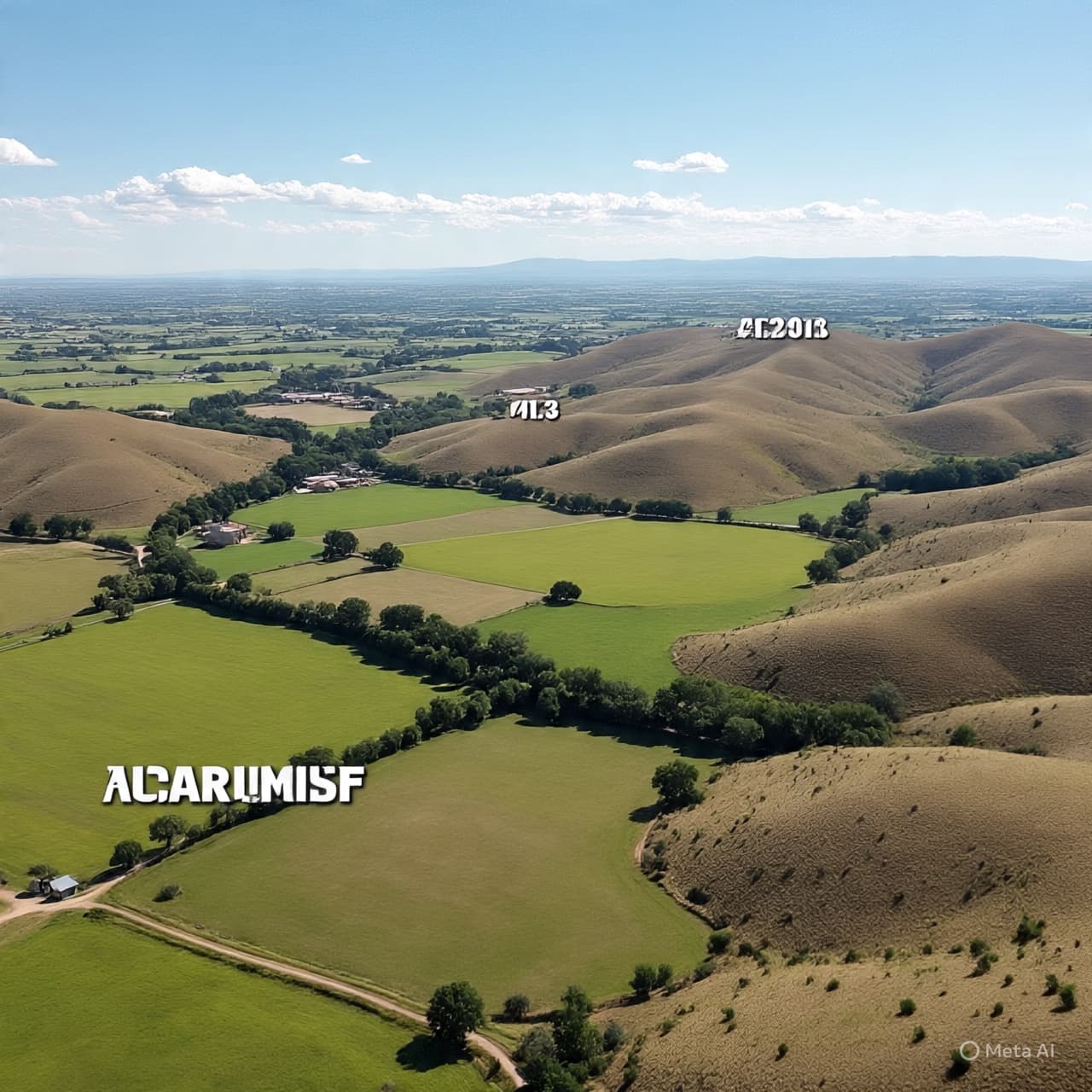
For decades, Kroenke’s land acquisitions added quietly to the map of U.S. ownership, gaining notice primarily in the ranching and rural real-estate communities. But the sheer scale of his recent New Mexico purchase — nearly double the size of the state of Delaware — thrust him to the top of the Land Report 100, the annual ranking of America’s largest private landowners, and made national headlines.
The milestone raises broader questions about the concentration of land in private hands at a time when the ownership landscape has long included timber families, media tycoons, agricultural dynasties and corporate entities. Kroenke’s dual identity as both a sports magnate and a frontier-scale landholder underscores how wealth and influence can span diverse economic arenas, from stadiums and sponsorships to cattle ranches and conservation leases.
What this means for local communities, ecosystem stewardship, and rural economies remains a subject of debate among analysts, ranchers and policymakers. Yet the new ranking places Kroenke in a select cohort of Americans whose holdings rival the size of some U.S. states — a remarkable achievement for an owner better known by millions for his teams on turf and ice than his tracts of grass and mesa.
AI Image Disclaimer “Visuals are created with AI tools and are not real photographs.”
Sources The Land Report 100 / PR Newswire SportsBusiness Journal Bloomberg Agriculture.com / Land Investment Expo highlights Investopedia background on U.S. landownership
Published by Banx Network. This article is part of the Banx decentralized media programme, powered by the BXE token on the XRP Ledger.