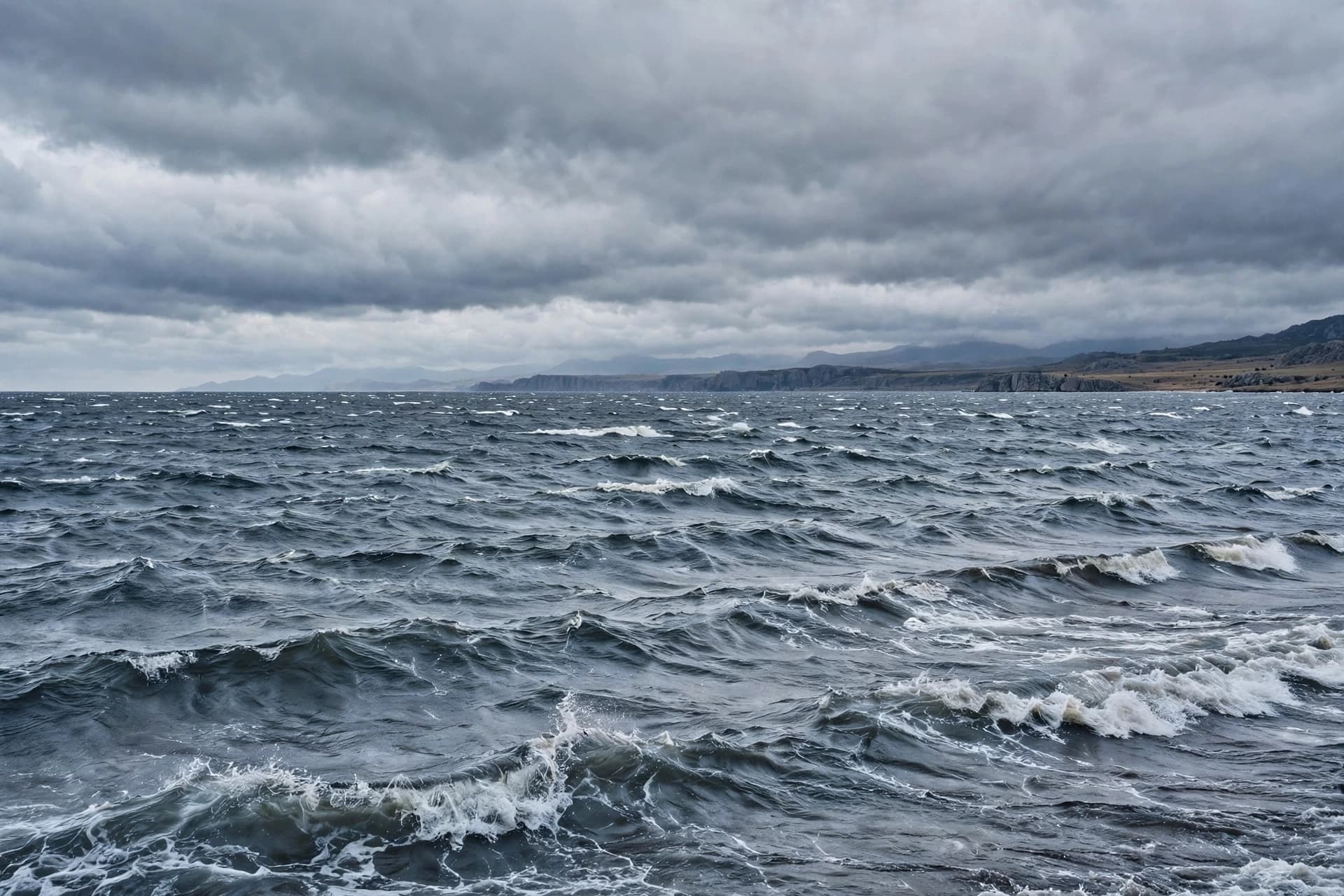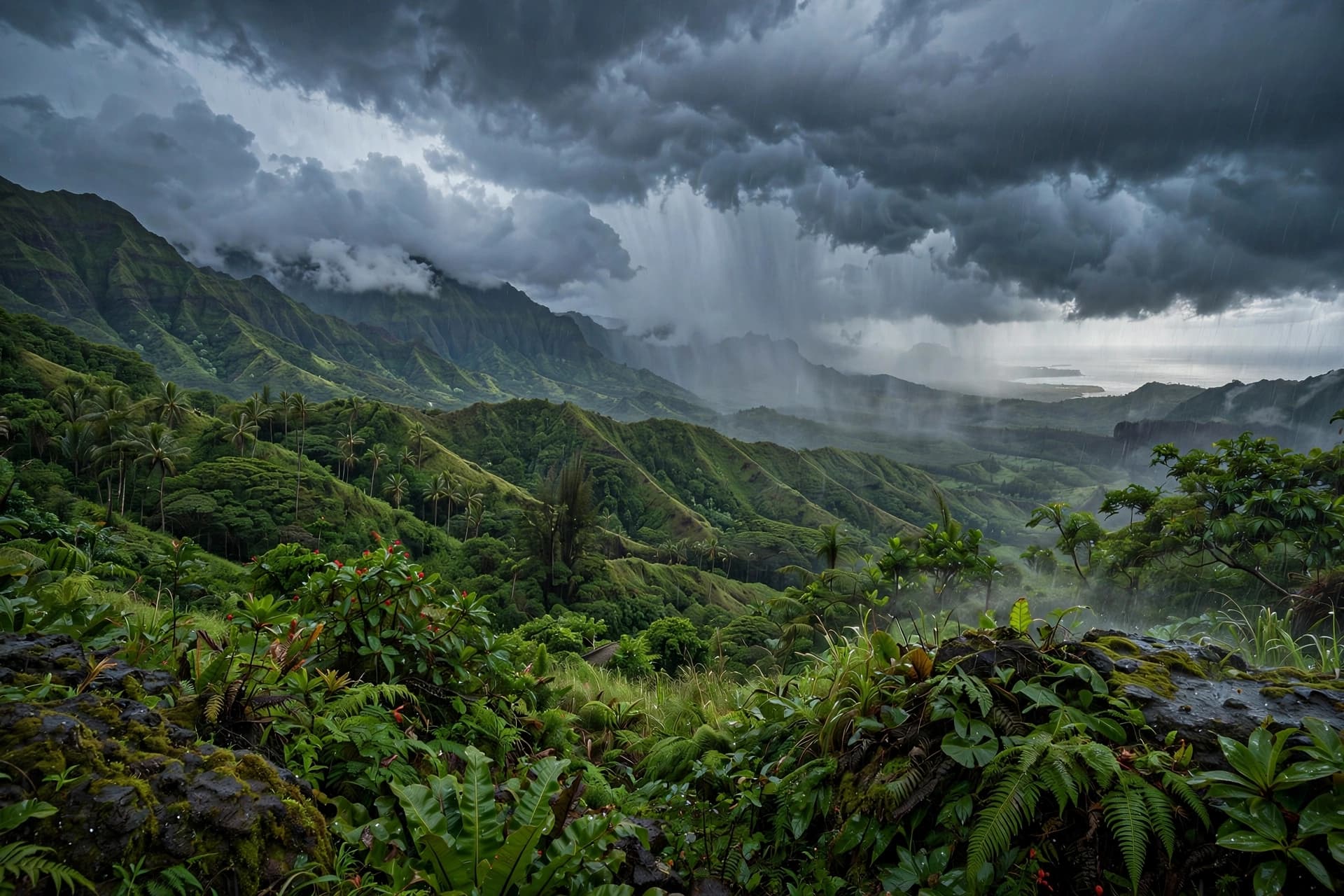
In the vast expanse of the Pacific, where the ocean meets the sky in a seamless horizon, a powerful force is gathering strength. Hurricane Nolo, though not making direct landfall, is poised to brush against the Big Island of Hawaii, bringing with it a deluge that promises to test the resilience of the land and its people. The storm’s path, skirting just south of the island, serves as a reminder of nature’s ability to influence life from a distance, turning gentle rains into torrents that reshape the landscape.
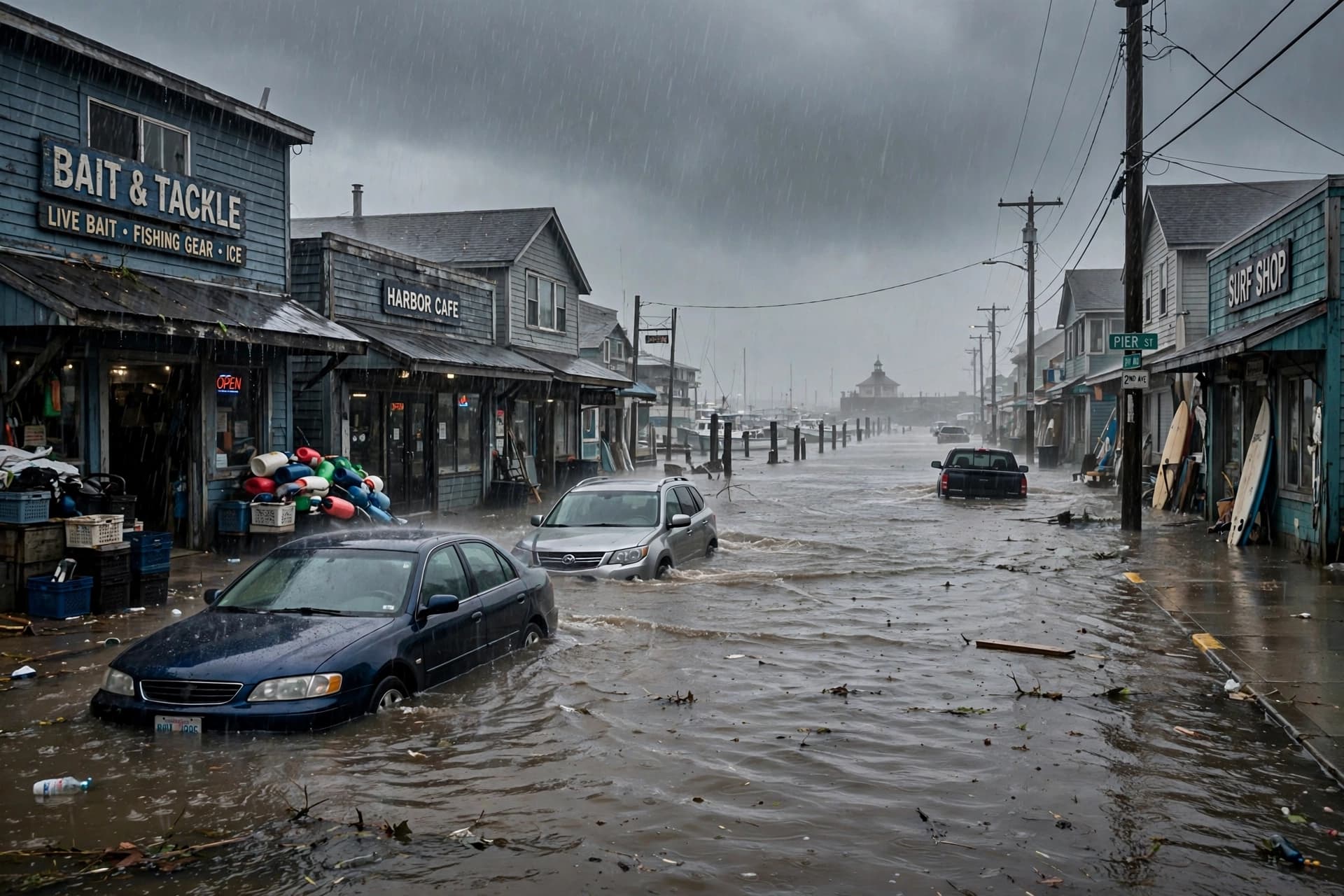
Meteorologists have warned that while the eye of the hurricane may remain offshore, the outer bands will unleash significant rainfall across the Big Island. Forecasts suggest that some areas could receive up to 35 inches of rain, a volume capable of causing catastrophic flash flooding and landslides. This prediction has prompted local authorities to issue urgent warnings, urging residents to prepare for potential disruptions to travel and daily life.
The steep terrain of the Big Island exacerbates the risk, as water rushes down slopes and into valleys with little warning. Communities in low-lying areas and near rivers are particularly vulnerable, facing the threat of rising waters that can isolate homes and damage infrastructure. Emergency management teams are coordinating resources to ensure that evacuation routes remain clear and that shelters are ready for those who may need to leave their homes.
For farmers and agricultural workers, the storm presents a dual challenge. While rain is essential for crops, excessive amounts can lead to soil erosion and crop damage. The uncertainty of the storm’s intensity leaves many in a state of cautious anticipation, balancing the need for protection with the hope that the worst of the weather will pass quickly.
Tourism, a vital part of Hawaii’s economy, also feels the impact. Visitors are advised to stay informed and follow safety guidelines, as outdoor activities may be limited during the peak of the storm. Hotels and tour operators are adjusting schedules to prioritize guest safety, reflecting a collective commitment to well-being over convenience.
The response from the community has been one of solidarity and preparedness. Neighbors are checking on one another, sharing supplies, and offering support to those who may be more vulnerable. This spirit of cooperation highlights the strength of social bonds in the face of natural challenges, turning a potential crisis into an opportunity for connection.
As Hurricane Nolo continues its path, scientists and officials monitor its progress closely. Advanced modeling and satellite data provide real-time updates, allowing for more accurate predictions and timely responses. This technological advantage offers a layer of security, helping communities make informed decisions about their safety.
Hurricane Nolo’s approach to Hawaii is a testament to the dynamic nature of our planet. While the storm brings risks, it also offers a chance to reflect on our relationship with the environment and the importance of preparedness. As the rain falls, the Big Island stands ready, united in its effort to weather the storm and emerge stronger on the other side.
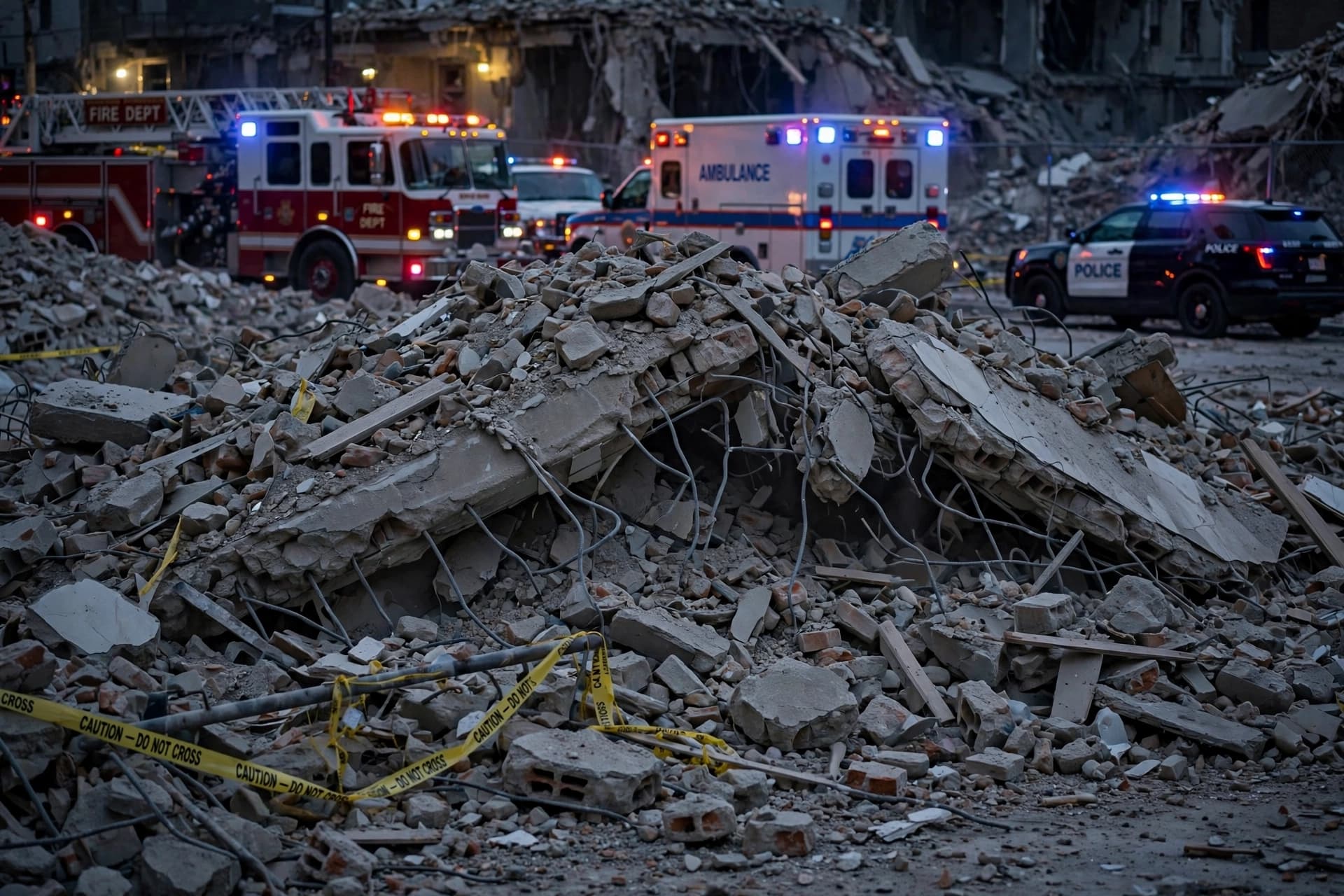
AI Image Disclaimer: The visual representations in this article are AI-generated illustrations designed to evoke the atmosphere of a tropical storm and do not depict actual footage of Hurricane Nolo.
Sources: National Hurricane Center Fox Weather PBS NewsHour Hawaii Emergency Management Agency NPR
Published by Banx Network. This article is part of the Banx decentralized media programme, powered by the BXE token on the XRP Ledger.