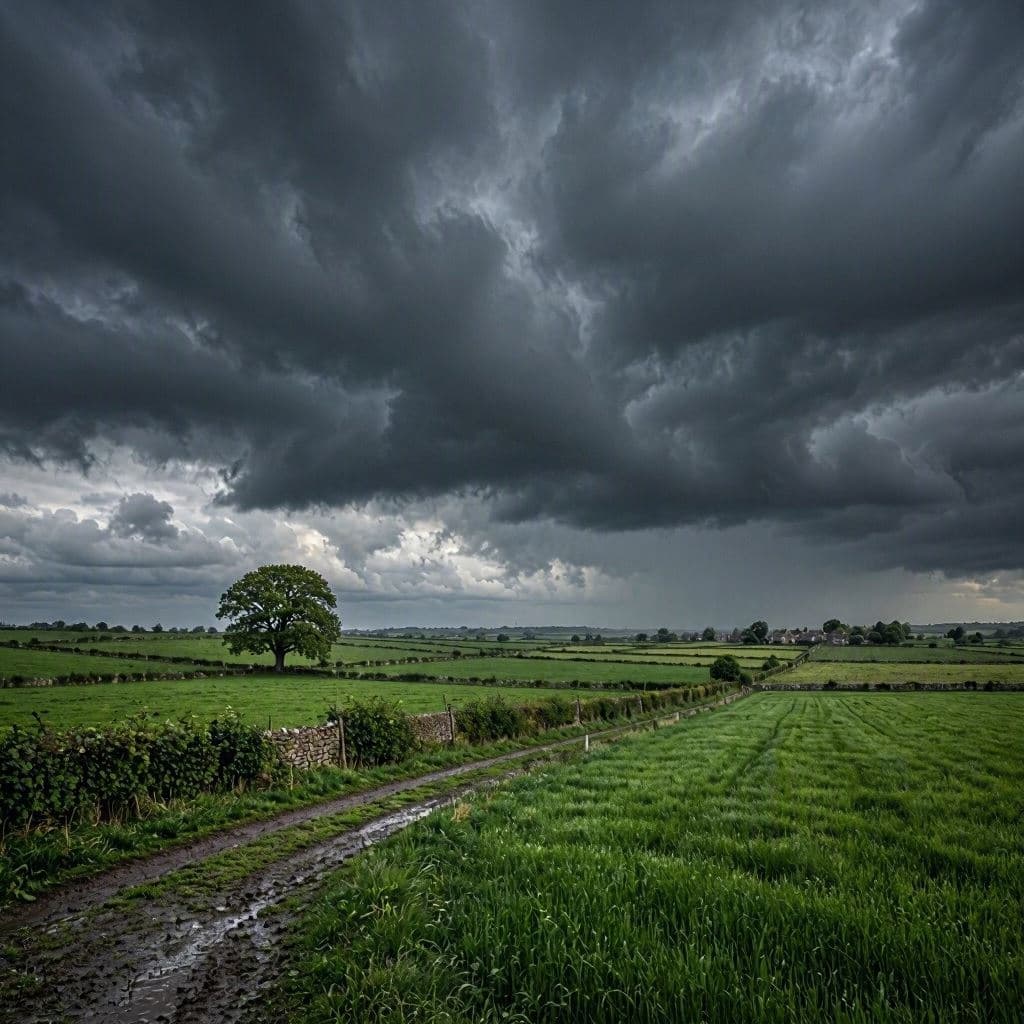
Rain is often seen as a gentle nourisher of the earth, a rhythmic patter that brings life to gardens and fills reservoirs. However, when the skies open with excessive force, this benevolent gift can transform into a formidable threat. In Upstate New York, weather patterns are converging to create a situation where one specific region stands directly in the path of potentially severe flooding. The anticipation of heavy rainfall serves as a reminder of nature’s power and the importance of preparedness in the face of environmental volatility.
Meteorologists have identified a particular area in Upstate New York as the primary target for intense precipitation. Atmospheric conditions, including moisture levels and wind patterns, are aligning to produce sustained downpours that could overwhelm local drainage systems. This "bull’s-eye" effect means that while surrounding areas may experience moderate rain, the targeted zone could receive significantly higher amounts in a short period.
The risk of flooding is heightened by the region’s topography and existing soil saturation. Recent weather events may have already left the ground unable to absorb additional water, increasing the likelihood of runoff into rivers and streams. Low-lying areas, basements, and roads near waterways are particularly vulnerable to rapid rises in water levels.
Local authorities are urging residents to stay informed and take precautionary measures. This includes clearing gutters, securing outdoor items, and having emergency supplies ready. Emergency management teams are monitoring the situation closely, prepared to issue warnings or evacuate areas if necessary. Proactive communication is key to ensuring public safety during such events.
For farmers and rural residents, the potential for flooding poses risks to crops and livestock. Excess water can damage fields and disrupt agricultural operations, affecting local economies. Community support networks often play a crucial role in helping these individuals mitigate losses and recover from weather-related disruptions.
Urban areas are not immune to the effects of heavy rain. Stormwater infrastructure in cities can be overwhelmed, leading to street flooding and traffic disruptions. Municipalities are working to manage these risks through maintenance and real-time monitoring of water levels. Public cooperation, such as avoiding driving through flooded roads, is essential for safety.
The unpredictability of weather patterns in a changing climate makes such events more frequent and intense. While individual storms cannot be prevented, understanding their mechanisms helps communities build resilience. Investment in infrastructure and early warning systems is critical for adapting to these new realities.
As the rain approaches, the community comes together in a spirit of caution and mutual aid. Neighbors check on one another, and local organizations offer resources to those in need. This collective response highlights the strength of community bonds in the face of natural challenges.
The identification of a high-risk zone for flooding in Upstate New York highlights the need for vigilance and preparation. As heavy rainfall threatens the region, residents and authorities are working together to minimize impacts and ensure safety. It is a testament to the importance of community resilience in managing environmental risks.
AI Image Disclaimer: The images associated with this article are AI-generated visualizations intended to depict the concept of heavy rainfall and flood preparedness, using neutral and respectful imagery.
Sources: National Weather Service Local Upstate NY News Outlets New York State
Published by Banx Network. This article is part of the Banx decentralized media programme, powered by the BXE token on the XRP Ledger.