In the dense forests of the Democratic Republic of Congo, a silent battle is being waged against one of the world’s most deadly viruses. The Ebola outbreak, which has claimed hundreds of lives, is now facing a new challenge: a strike by frontline health workers who have not been paid for months. Dr. Tedros Adhanom Ghebreyesus, Director-General of the World Health Organization (WHO), has warned that the outbreak is outpacing the response, exacerbated by the withdrawal of essential personnel. This crisis highlights the fragile nature of global health security when those on the front lines are left unsupported.
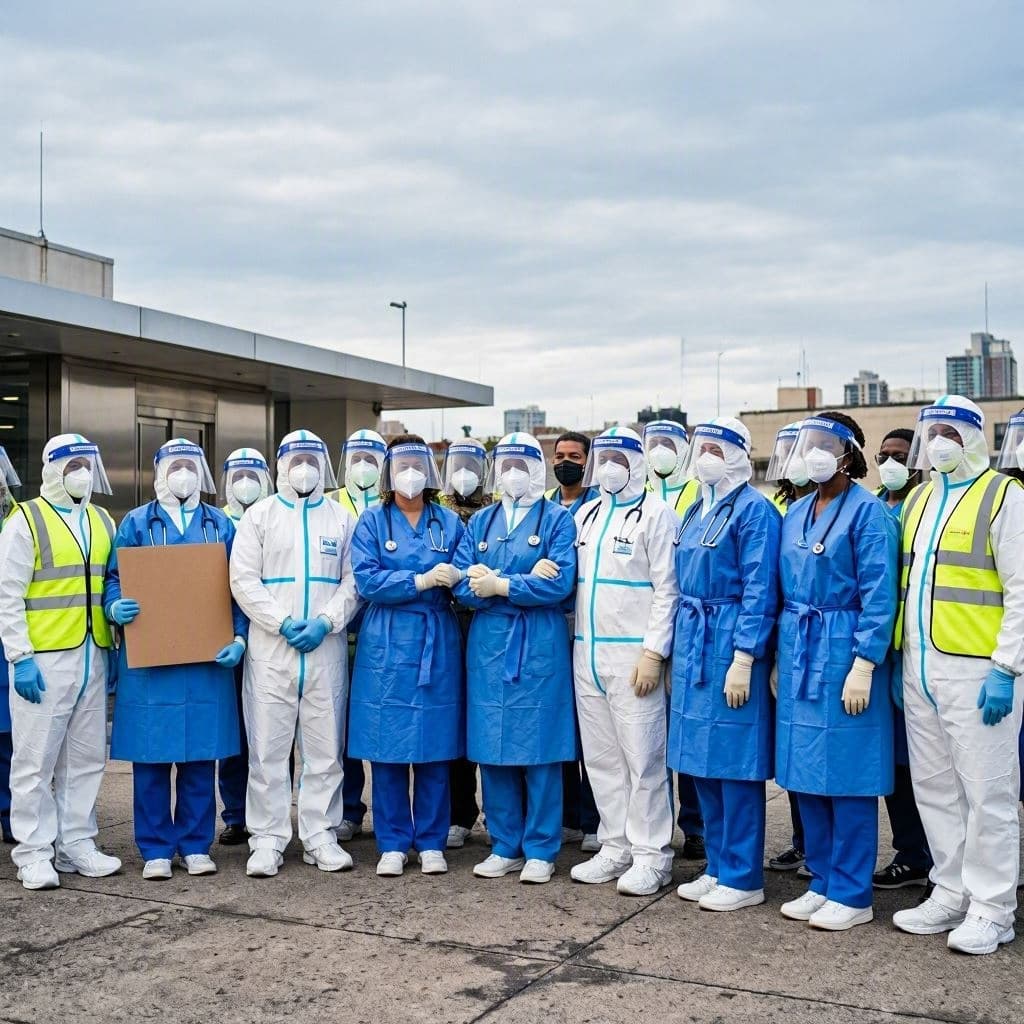
The strike involves doctors, nurses, epidemiologists, and even grave diggers in the Ituri province, the epicenter of the outbreak. These workers, who risk their lives daily to contain the virus, have gone without salaries and bonuses since the outbreak was declared earlier this year. Their protest is not just about money but about dignity and recognition of their sacrifice. Without them, the complex machinery of contact tracing, isolation, and care grinds to a halt.
Dr. Tedros visited the region in August 2026 to express solidarity and urge immediate resolution. He emphasized that the international community must ensure that health workers are compensated fairly and promptly. The WHO has pledged additional resources, but the bottleneck lies in the distribution mechanisms and local governance. The delay in payments has created a vacuum that the virus is quickly filling, with case numbers rising steadily.
The human cost of this administrative failure is profound. Families are losing loved ones not because of a lack of medical knowledge, but because of a lack of logistical support. Communities are growing fearful, and trust in the health system is eroding. This breakdown in trust can have long-lasting effects, making future outbreaks harder to manage.
International donors have committed millions of dollars to the response, but questions remain about how these funds are being managed. Transparency and accountability are crucial to ensuring that aid reaches those who need it most. The current situation serves as a stark reminder that funding alone is not enough; effective implementation is key.
Efforts are underway to resolve the strike, with negotiations between local authorities, union representatives, and international partners. The hope is that a swift agreement can be reached to get workers back on the job. Every day counts in an Ebola outbreak, and the window for containment is narrowing.
The Ebola outbreak in Congo is a test of global solidarity and operational efficiency. As the WHO chief warns of the widening gap between the virus and the response, the focus must remain on supporting the brave men and women on the front lines. Their well-being is inseparable from the well-being of the communities they serve.
AI Image Disclaimer: The images provided are AI-generated to visually represent the humanitarian and health crisis context.
Sources: The Washington Post Reuters World Health Organization
Published by Banx Network. This article is part of the Banx decentralized media programme, powered by the BXE token on the XRP Ledger.