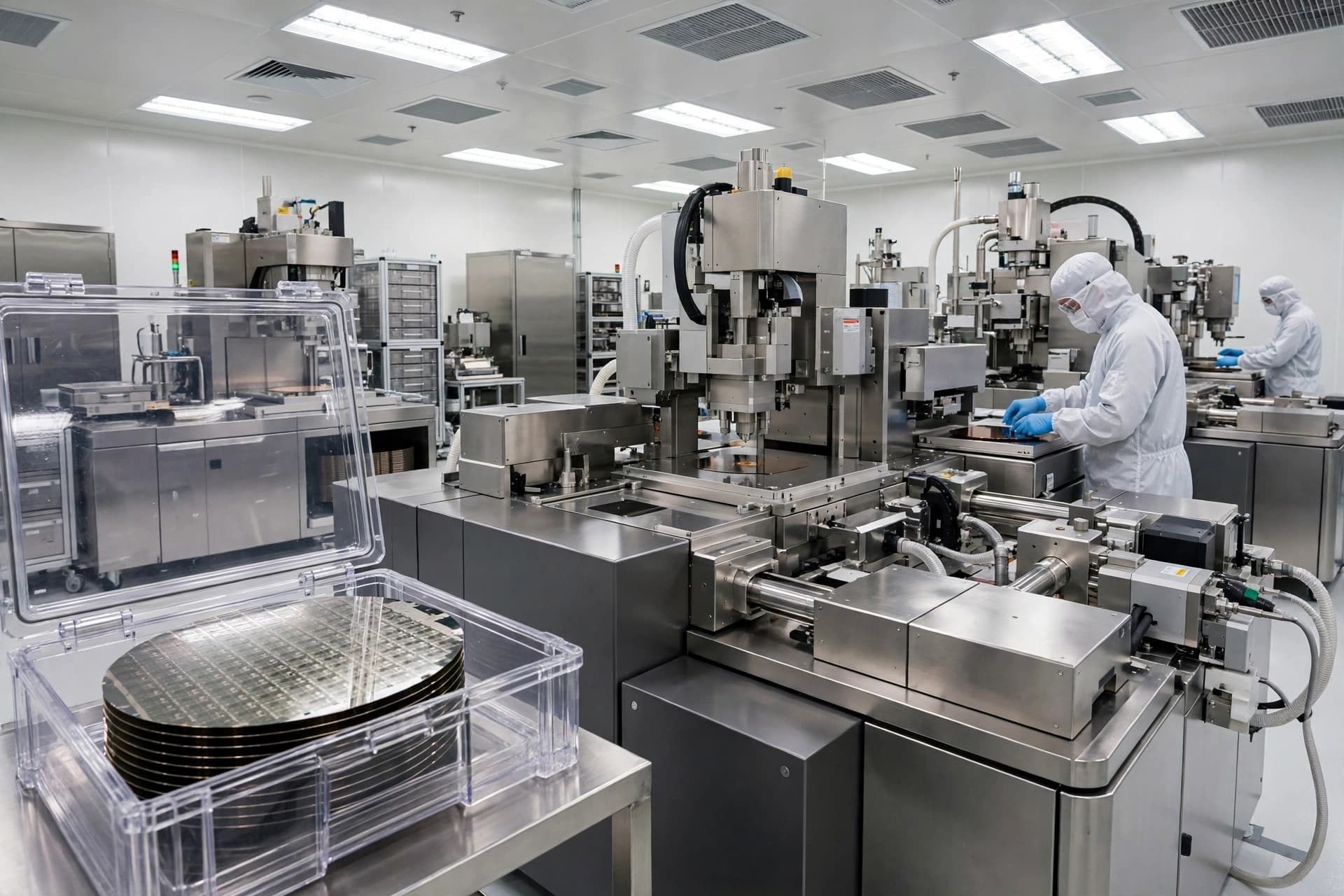
In the quiet labs where pipettes hum and microscopes capture the infinitesimal, a delicate balance of ambition and care unfolds. U.S. biotechnology, long a leader in innovation, faces a rising challenge: staying competitive with China’s rapidly advancing biotech sector. Experts suggest that meeting this challenge could bring more than national prestige—it could directly affect the lives of patients with rare diseases, offering hope where treatments have been scarce or slow to develop.
The pursuit of competitiveness is not merely a race of laboratories or budgets; it is a race for human impact. Every breakthrough in gene therapy, targeted medicine, or molecular research carries the potential to transform lives, especially for those navigating the uncertainty of rare conditions. Strengthening U.S. biotech capacity is as much about fostering scientific ecosystems and collaboration as it is about outperforming global peers.
Yet the path forward is complex. Investment, regulatory clarity, and talent cultivation must align to translate potential into tangible outcomes. Experts emphasize that policy decisions, funding strategies, and international partnerships shape not only the pace of innovation but also equitable access to emerging therapies. In this sense, competitiveness is intertwined with responsibility: the promise of science meets the imperative to deliver for those who need it most.
As the conversation continues, it becomes clear that the stakes are profoundly human. Biotechnology is more than an economic or strategic tool—it is a vessel of hope, and advancing its capacity may determine who receives lifesaving care and who waits in uncertainty. For patients with rare diseases, every strategic decision, every scientific milestone, is a story of possibility and resilience quietly unfolding in labs across the nation.
AI Image Disclaimer “Visuals are AI-generated and serve as conceptual representations.”
Sources National Institutes of Health Nature Biotechnology Bloomberg Reuters Financial Times
Published by Banx Network. This article is part of the Banx decentralized media programme, powered by the BXE token on the XRP Ledger.