
Key Highlights
- Patient Death:A 48-year-old man from Chandragiri Municipality died from rabies after failing to secure a vaccine.
- Vaccine Shortage:Hospitals across Nepal are experiencing severe shortages of anti-rabies vaccines, leaving many at risk.
- Public Health Crisis:The incident has sparked outrage over the government's failure to maintain vaccine supplies.
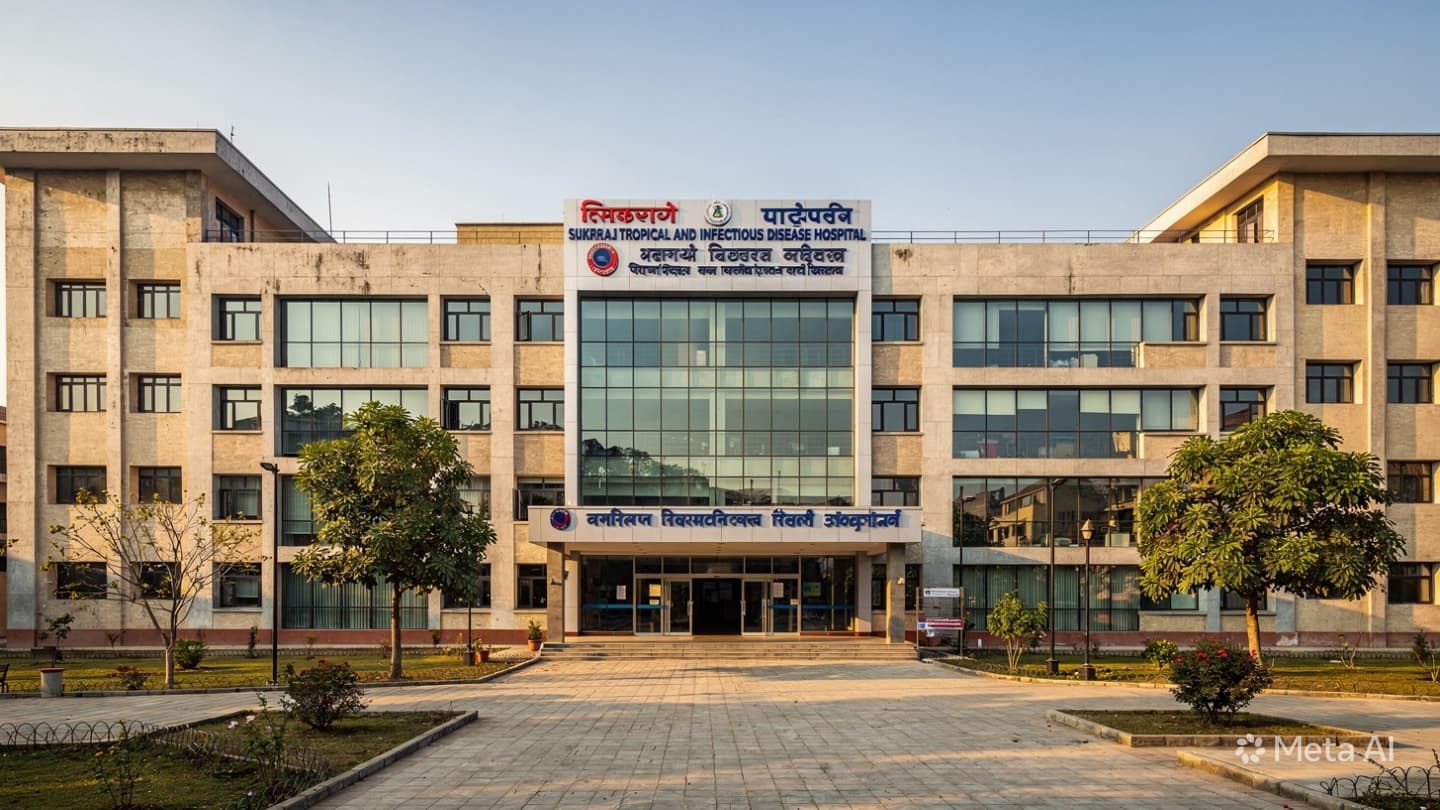
Kathmandu, Nepal—A 48-year-old resident of Chandragiri Municipality has died after contracting rabies, exposing a critical failure in the nation’s emergency health infrastructure. The patient passed away at the Sukraraj Tropical and Infectious Disease Hospital in Teku on Saturday, June 20, 2026, after symptoms of the virus became irreversible. Medical staff confirmed the man had been bitten by a puppy weeks prior but could not access the life-saving anti-rabies vaccine due to a severe, months-long shortage in government facilities.
The victim’s family recounted a desperate search for the vaccine at local health posts, none of which had doses in stock. Misunderstanding the severity of a bite from a small animal, the family delayed pursuing private treatment. By the time they reached the specialized center in Kathmandu, the rabies virus had already progressed to its terminal stage. Doctors reiterated that while rabies is fully preventable with timely vaccination, it remains uniformly fatal once clinical symptoms emerge.
Staff at the Sukraraj Hospital report that the facility is currently managing hundreds of dog-bite victims daily, despite a complete exhaustion of their emergency vaccine stocks. Many patients are being turned away or directed to private pharmacies, where prices are often prohibitive for working-class individuals. Hospital employees have described the internal situation as dire, with medical professionals being strictly forbidden by the Ministry of Health and Population from publicly disclosing the extent of the crisis.
The shortage is not isolated to the capital; state-run clinics across all seven provinces are reporting similar deficits. The government’s failure to maintain a consistent supply chain has left thousands of citizens vulnerable to stray dog bites, which are responsible for almost all rabies fatalities in the country. Official data from previous years show that over 60,000 people annually seek vaccination through public health channels, a number that is now facing an unprecedented service gap.
Despite international commitments to eliminate dog-transmitted rabies by 2030, the current trend suggests a worsening outlook. The government has remained largely silent on the logistical failures leading to this deficit, leading to public outrage. Health workers, speaking on condition of anonymity for fear of professional retaliation, argue that the Ministry’s lack of transparency is directly contributing to preventable deaths.
Efforts by the hospital to source emergency doses from municipal and provincial governments have yielded little result. The emergency department has been forced to ration care, now requiring patients to return during standard outpatient hours for follow-up doses, which further strains the already overwhelmed system. For many, the travel costs and time required to seek care in Kathmandu are simply insurmountable.
The death of the Chandragiri resident has reignited calls for an immediate overhaul of the drug procurement process. Advocates for public health emphasize that the price of neglect is being paid by the most marginalized citizens. The ministry has not yet issued a formal statement addressing the current status of the vaccine stockpile or a timeline for when supplies will be replenished.
As the country faces this mounting public health risk, officials continue to deflect inquiries regarding the crisis. The lack of reliable anti-rabies protection is now an active threat to thousands of citizens across the districts. Until the supply chain is secured, hospitals remain the final, often empty, hope for those bitten by potentially infected animals.
Published by Banx Network. This article is part of the Banx decentralized media programme, powered by the BXE token on the XRP Ledger.



