
Key Highlights
- Increased Activity:Taiwan reports a surge in Chinese military aircraft near its airspace.
- Defense Response:Taiwan's military has heightened its alert status in response to the incursions.
- Ongoing Tensions:The situation reflects the long-standing political and territorial disputes in the region.
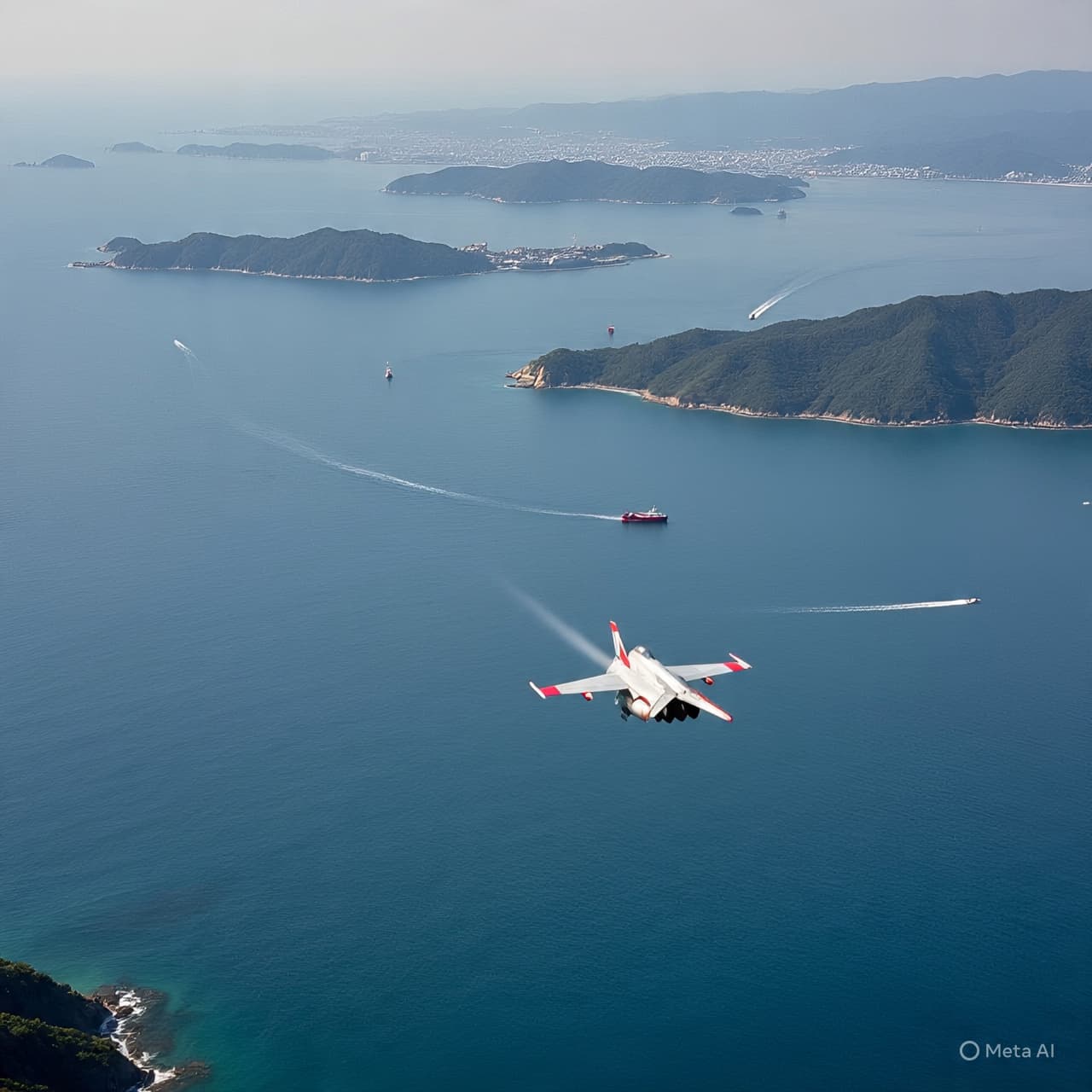
In the early hours of the day, the tranquil waters of the Taiwan Strait mask a growing tension in the skies above. Recent reports from Taiwan's defense authorities indicate a significant uptick in the presence of military aircraft from China operating in the vicinity of the island. This development is part of a broader pattern of military activity that has become increasingly common in the region, raising concerns among local and international observers.
Taiwan's Ministry of National Defense has confirmed that dozens of aircraft affiliated with the People's Liberation Army (PLA) were detected near Taiwan's air defense identification zone (ADIZ). This area serves as a critical buffer for monitoring incoming aircraft, allowing Taiwan to maintain situational awareness and respond to potential threats. While the ADIZ does not constitute sovereign airspace, it is an essential component of Taiwan's defense strategy.
In response to the detected flights, Taiwan's armed forces have activated defensive patrols and monitoring systems. Military ships and ground-based air defense units have also been placed on alert, reflecting routine security protocols designed to safeguard the island. These measures underscore the seriousness with which Taiwan approaches its defense amid rising tensions with China.
For many residents of Taiwan, these military reports often arrive as background noise to their daily lives. In bustling cities like Taipei, life continues with the vibrancy of night markets and the rhythm of commuters navigating the subway. However, the presence of Chinese military aircraft serves as a stark reminder of the geopolitical complexities that define the region. Analysts suggest that these flights are part of broader military exercises and reflect China's ongoing claims over Taiwan, which it views as a breakaway province.
The types of aircraft involved in these operations vary widely, including fighter jets, surveillance planes, and support aircraft. Taiwan's defense networks meticulously track these movements, providing regular updates on the number of aircraft and their flight paths. Such reports have become a staple in discussions about regional security, as governments and analysts monitor these developments closely for insights into the shifting dynamics among major powers in the Indo-Pacific.
Despite the strategic implications of these military activities, much of the day-to-day life in Taiwan remains unaffected. The island's ports continue to bustle with activity, and its coastal communities remain largely undisturbed. Yet, the routine nature of these military reports serves as a reminder of the delicate balance of power in the region. Each flight and radar contact contributes to an ongoing narrative of vigilance and uncertainty that shapes Taiwan's security landscape.
As Taiwan's defense authorities continue to monitor the situation, the skies above the Taiwan Strait may return to a semblance of calm. However, the underlying tensions remain palpable, with the potential for future encounters always looming. In a region where geography and politics intertwine, the presence of military aircraft serves as a constant reminder of the complexities that define Taiwan's existence in the shadow of a powerful neighbor.
Published by Banx Network. This article is part of the Banx decentralized media programme, powered by the BXE token on the XRP Ledger.



