
Key Highlights
- Increased US military activity reported at UK bases.
- Concerns raised over sovereignty and operational control.
- Political sensitivity surrounding foreign military presence.
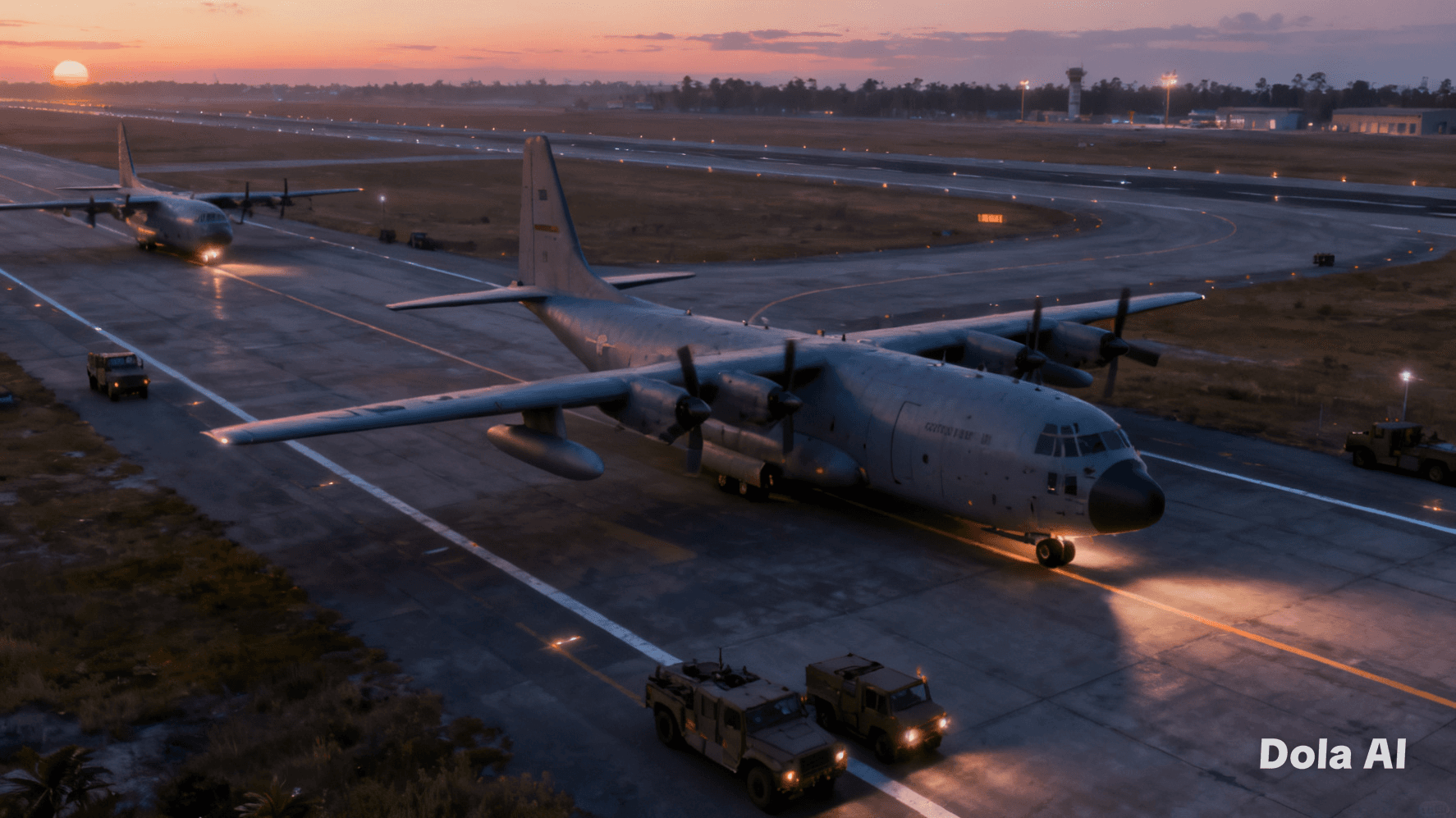
Recent reports have highlighted a notable increase in US military activity at several British bases, raising questions about the evolving security landscape and the implications for national sovereignty. These bases, integral to transatlantic cooperation between the UK and the US, have seen heightened aircraft movements and logistical operations, prompting scrutiny from both political leaders and the public.
The facilities in question have long served as key nodes in the bilateral defense agreements that underpin the UK-US alliance. Under these arrangements, American forces maintain a rotational presence and pre-position equipment to support collective security efforts. However, the recent uptick in activity has sparked discussions about the extent of governmental authority over military operations conducted on British soil.
Reports from defense analysts and satellite imagery have indicated an increase in transport aircraft arrivals and refueling operations at various installations. While some observers caution that this activity does not necessarily indicate an imminent conflict, it reflects a routine adjustment of military readiness in response to global developments and training cycles. The current geopolitical climate, particularly tensions involving Iran, has led Western defense planners to reassess their strategies and logistical positioning across Europe and the Mediterranean.
The political sensitivity surrounding this issue has been amplified by reports that the UK government has imposed restrictions on the use of British territory for offensive operations related to potential conflicts in the Middle East. Legal scholars emphasize that while the US maintains operational control within designated areas, explicit authorization is required for combat missions launched from UK bases. This legal framework underscores the balance between alliance obligations and national sovereignty, ensuring that the UK retains authority over how its territory is utilized.
Critics, including members of Parliament and civil society groups, have called for greater transparency regarding the extent and purpose of foreign military activity within the UK. They argue that the public deserves clarity to prevent the country from being drawn into conflicts without adequate democratic scrutiny. In response, government officials have reiterated that any military use of UK bases must comply with British law and receive ministerial approval, emphasizing the importance of alliance cooperation for national defense while asserting the preservation of sovereignty over operational decisions.
As military buildups and contingency preparations often occur during periods of geopolitical strain, the presence of US aircraft and personnel in the UK may signal preparedness rather than an intent to escalate conflicts. For nearby communities, the increased military activity is often felt through subtle changes, such as the distant rumble of engines or the glow of runway lights at unusual hours. For policymakers, however, these movements are part of a broader strategic calculus that unfolds across continents.
The situation remains fluid, influenced by ongoing diplomatic developments, security assessments, and negotiations among allies. The partnership underpinning transatlantic defense continues to operate within a framework that must reconcile cooperation with national sovereignty. As discussions progress, the balance between readiness and restraint remains central, highlighting that decisions made on quiet airfields can have far-reaching implications.
Published by Banx Network. This article is part of the Banx decentralized media programme, powered by the BXE token on the XRP Ledger.



