In times of prolonged conflict, economic measures often move quietly compared with the sound of weapons, yet their effects can travel far across borders and industries. Like currents beneath a visible tide, sanctions are designed to shape decisions, influence resources, and signal political resolve. This dynamic was evident once again as the European Union unveiled a new package of measures connected to Russia’s ongoing war against Ukraine.
The latest sanctions package expands the EU’s efforts to limit sources of revenue that could support Russia’s military activities. Officials stated that the measures target energy-related income, components linked to the military-industrial sector, and networks accused of assisting the continuation of the conflict.
European policymakers have increasingly focused on restricting access to technologies and materials considered important for defense production. Previous sanctions rounds sought to reduce Russia’s ability to acquire certain goods through direct purchases or indirect supply chains.
The package also includes measures directed at individuals and organizations accused of spreading state-backed propaganda. European authorities argue that information campaigns can play a significant role in shaping public perceptions and supporting broader strategic objectives during wartime.
Human rights concerns remain another central component of the sanctions framework. EU officials have repeatedly cited allegations of violations in territories affected by the conflict, emphasizing accountability and international legal principles as part of their policy approach.
Since Russia launched its full-scale invasion of Ukraine in 2022, sanctions have become one of the principal tools used by Western governments. While debates continue regarding their effectiveness, the measures have remained a consistent element of the international response.
Moscow has repeatedly criticized Western sanctions, describing them as illegitimate and harmful to broader economic stability. Russian officials have also emphasized efforts to adapt trade relationships and strengthen alternative partnerships outside the European market.
The conflict continues to influence global energy markets, diplomatic relations, and security discussions. As a result, each new sanctions package attracts attention not only from governments but also from businesses, investors, and international organizations.
European Union leaders have indicated that support for Ukraine remains a policy priority, while sanctions are expected to continue evolving alongside developments on the battlefield and in diplomatic negotiations.
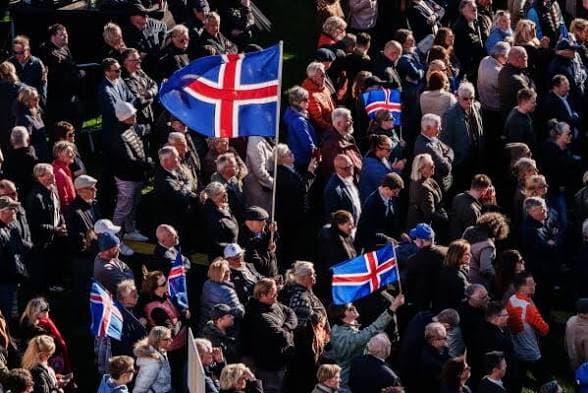
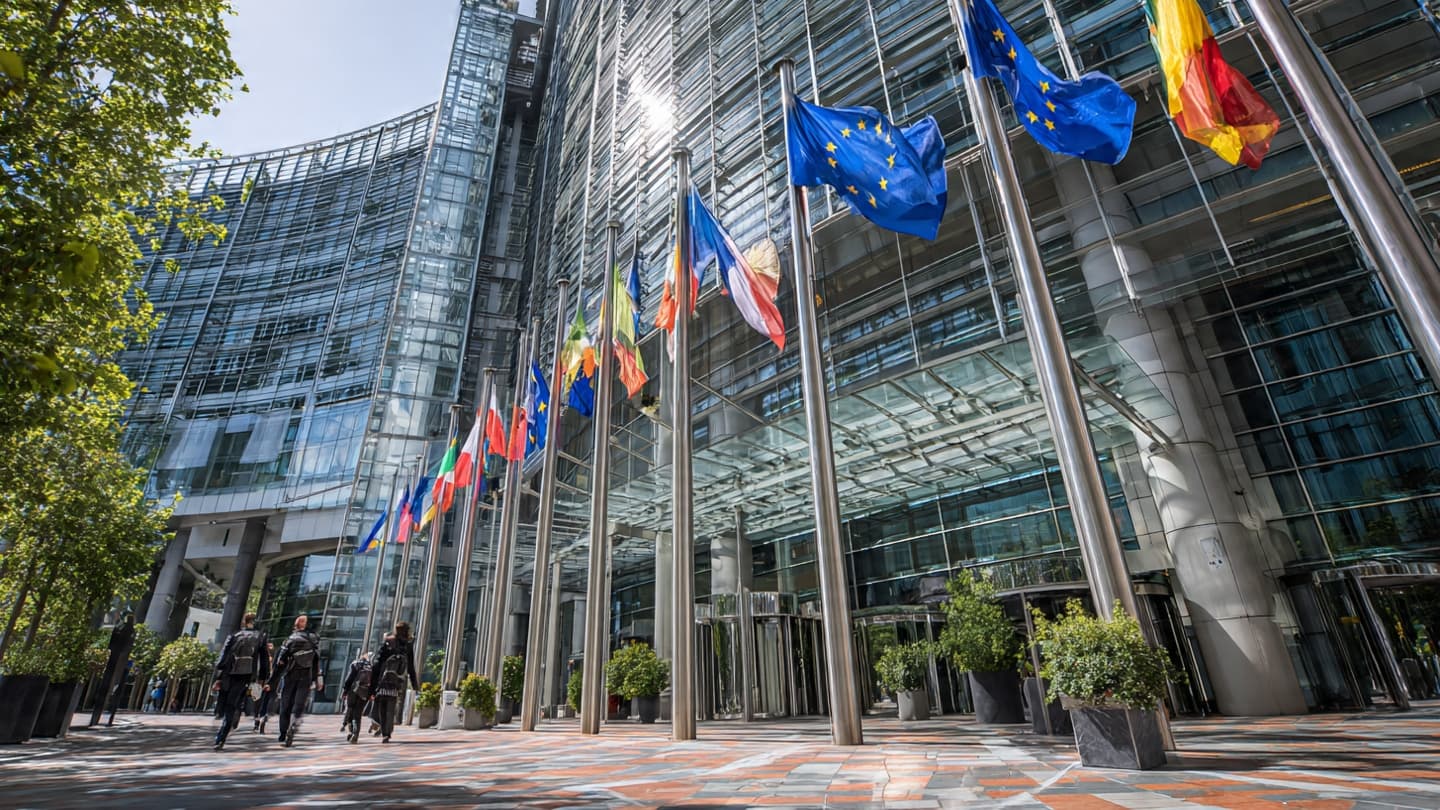
AI Image Disclaimer: The accompanying visuals are AI-generated illustrations intended to represent the subject matter and are not actual photographs.
Sources: European Commission, Reuters, Associated Press, Financial Times, Euronews
Published by Banx Network. This article is part of the Banx decentralized media programme, powered by the BXE token on the XRP Ledger.