
Key Highlights
- Recent Supreme Court ruling clarifies federal immigration enforcement.
- Decision expected to influence future interpretations of immigration laws.
- Advocacy groups respond with varied opinions on the ruling's implications.
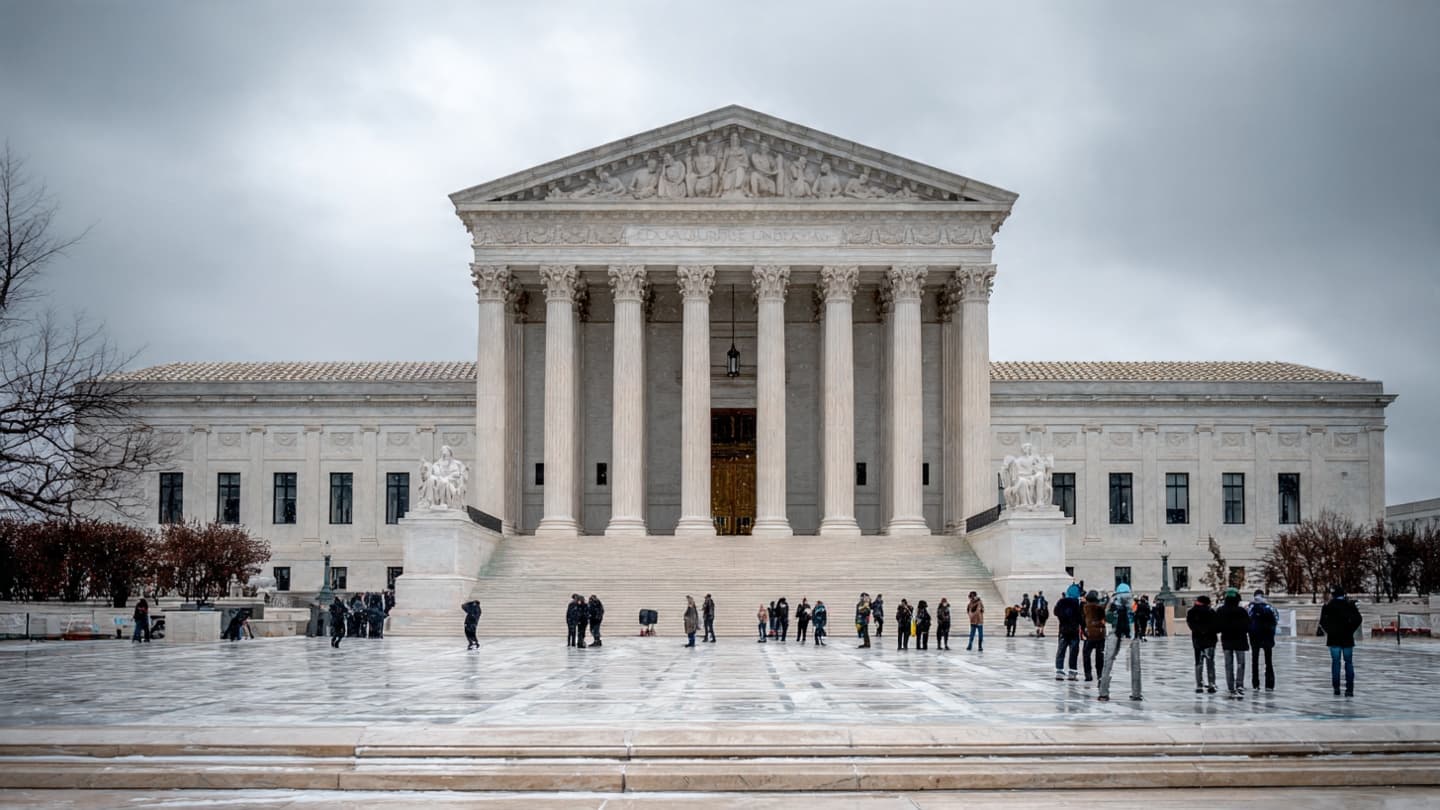
The courtroom may not always be the center of public attention, but the decisions made within its walls can significantly influence national discourse. A recent ruling by the U.S. Supreme Court has once again thrust federal immigration enforcement into the spotlight, highlighting the critical role of judicial interpretation in shaping policy that extends far beyond the courtroom.
In a landmark decision, the Supreme Court clarified key aspects of federal authority concerning immigration enforcement. Legal experts assert that this ruling will have a profound impact on how government agencies interpret and implement existing immigration laws in future cases. The implications of this decision are expected to resonate throughout various levels of government and the legal system.
Federal officials have acknowledged the ruling, indicating that agencies will conduct a thorough review of their operational procedures to ensure compliance with the Court's interpretation of federal law. This proactive approach underscores the importance of the ruling in guiding future actions related to immigration enforcement.
Immigration policy has long been a contentious issue in the United States, with debates surrounding border management, humanitarian protections, labor markets, and the extent of federal authority. The Supreme Court's decision adds another layer to this ongoing discussion, as it provides legal clarity on critical constitutional questions that have been at the forefront of political and legal debates.
Legal scholars emphasize that Supreme Court rulings often set precedents that extend well beyond the immediate case at hand. Lower courts, government agencies, and policymakers frequently rely on these decisions when addressing future legal questions involving similar issues. As such, this ruling is likely to serve as a reference point for ongoing discussions about immigration law and policy.
In the wake of the announcement, advocacy organizations representing diverse perspectives have responded swiftly. While opinions on the ruling's practical implications vary, many agree that it offers additional legal clarity on significant constitutional matters. This consensus highlights the ruling's potential to influence future legal arguments and policy proposals.
Constitutional experts further note that the judiciary's role is to interpret existing law rather than create public policy. Broader immigration reforms remain the responsibility of lawmakers, who must navigate the legislative process to enact significant changes. As government agencies begin to review their implementation procedures in light of the ruling, the decision is poised to become a pivotal reference point in the ongoing evolution of American immigration law.
As the national debate continues, the legal framework established by the Supreme Court will likely shape future discussions and policy decisions regarding immigration enforcement. The intersection of law and public policy remains a dynamic arena, with court rulings serving as critical touchstones in the broader conversation about immigration in America.
Published by Banx Network. This article is part of the Banx decentralized media programme, powered by the BXE token on the XRP Ledger.



